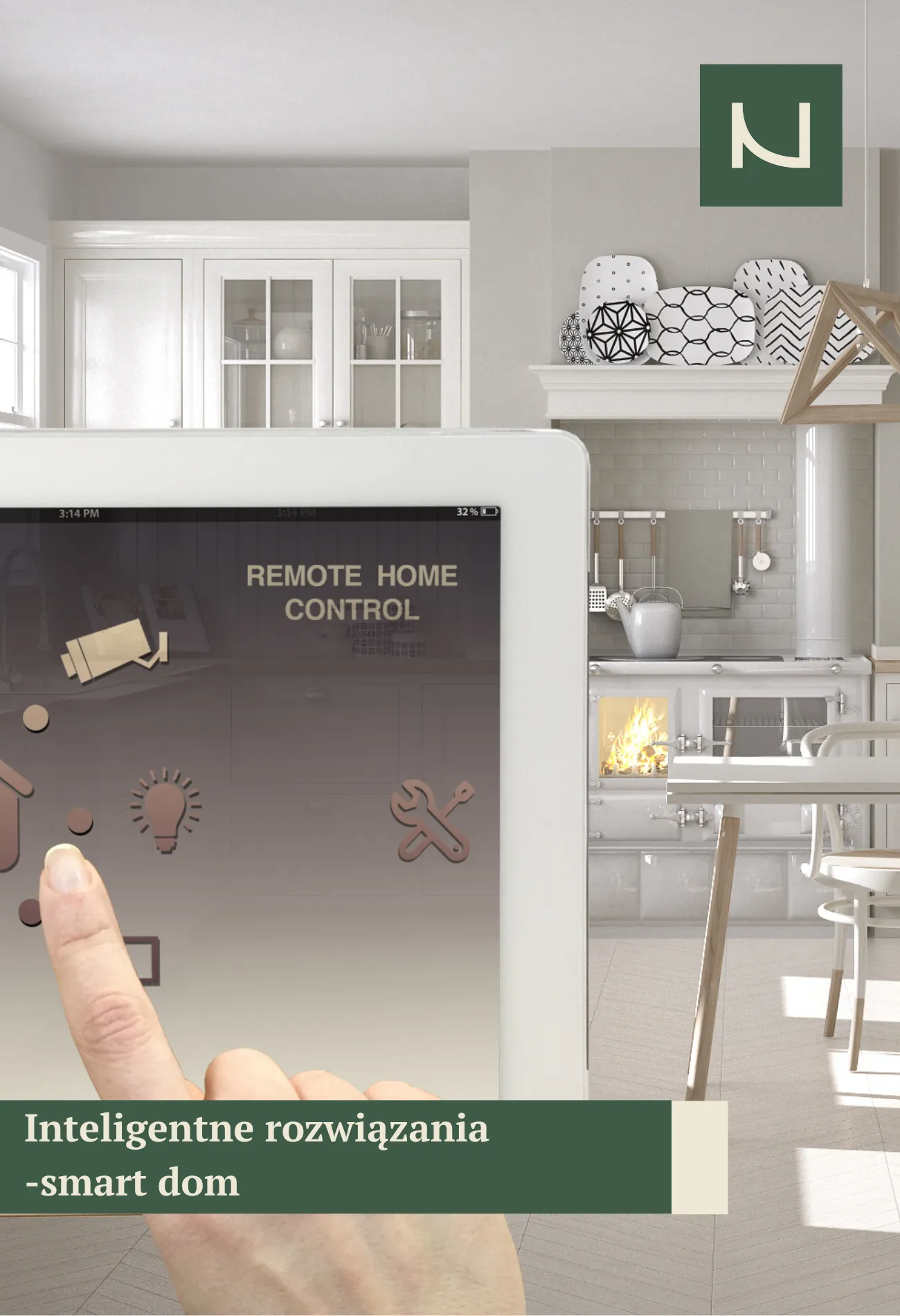
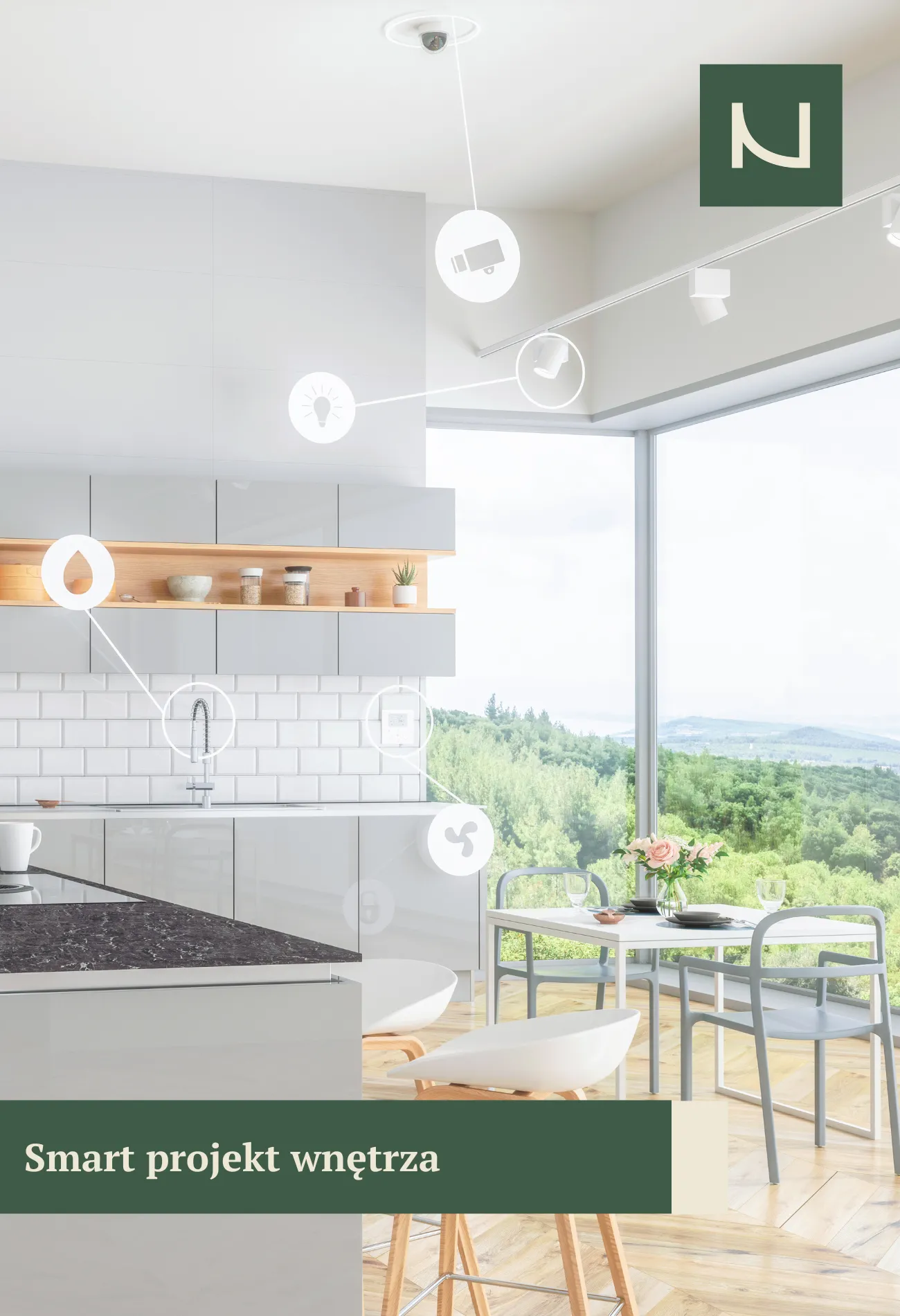
Smart home This is a solution that just a few years ago seemed like a luxury reserved for technology enthusiasts. Today, it’s increasingly standard in modern homes – regardless of square footage. Automatic control of lighting, heating, blinds, and appliances not only improves living comfort but can also significantly reduce bills and improve security. In this post, we’ll explore how to approach the smart home from an interior design perspective and why it’s worth considering smart solutions at the design stage.
What exactly is a smart home?
A smart home is an integrated ecosystem of electronic devices that can be controlled remotely—usually via a mobile app, voice commands, or set schedules. Depending on the user’s needs, a smart home can include various functions: from simple lighting control to full management of temperature, alarms, blinds, or even coffee machines.
Modern smart systems are modular and flexible – you can start with a single device and expand the entire infrastructure over time. This makes the technology available not only for large single-family homes but also for apartments in apartment buildings.
What smart solutions are available on the market?
Lighting in a smart home
One of the most popular smart home features is remotely controlled lighting. You can adjust not only the intensity but also the color of the light, which is great for setting the mood depending on the time of day. Popular brands include Philips Hue, Ikea Tradfri, Yeelight, and LIFX. It’s also possible to create lighting scenes—e.g., “cinema,” “dinner,” or “morning”—that activate with a single click.
Heating and air conditioning
Smart thermostats allow you to adjust the temperature in your home to your daily routine – the heating can automatically turn off when your family leaves for work and turn on just before they return. Examples include Netatmo, Tado, and Google Nest. Such solutions not only increase convenience but also help you save on energy bills.
Blinds, curtains, awnings in a smart home
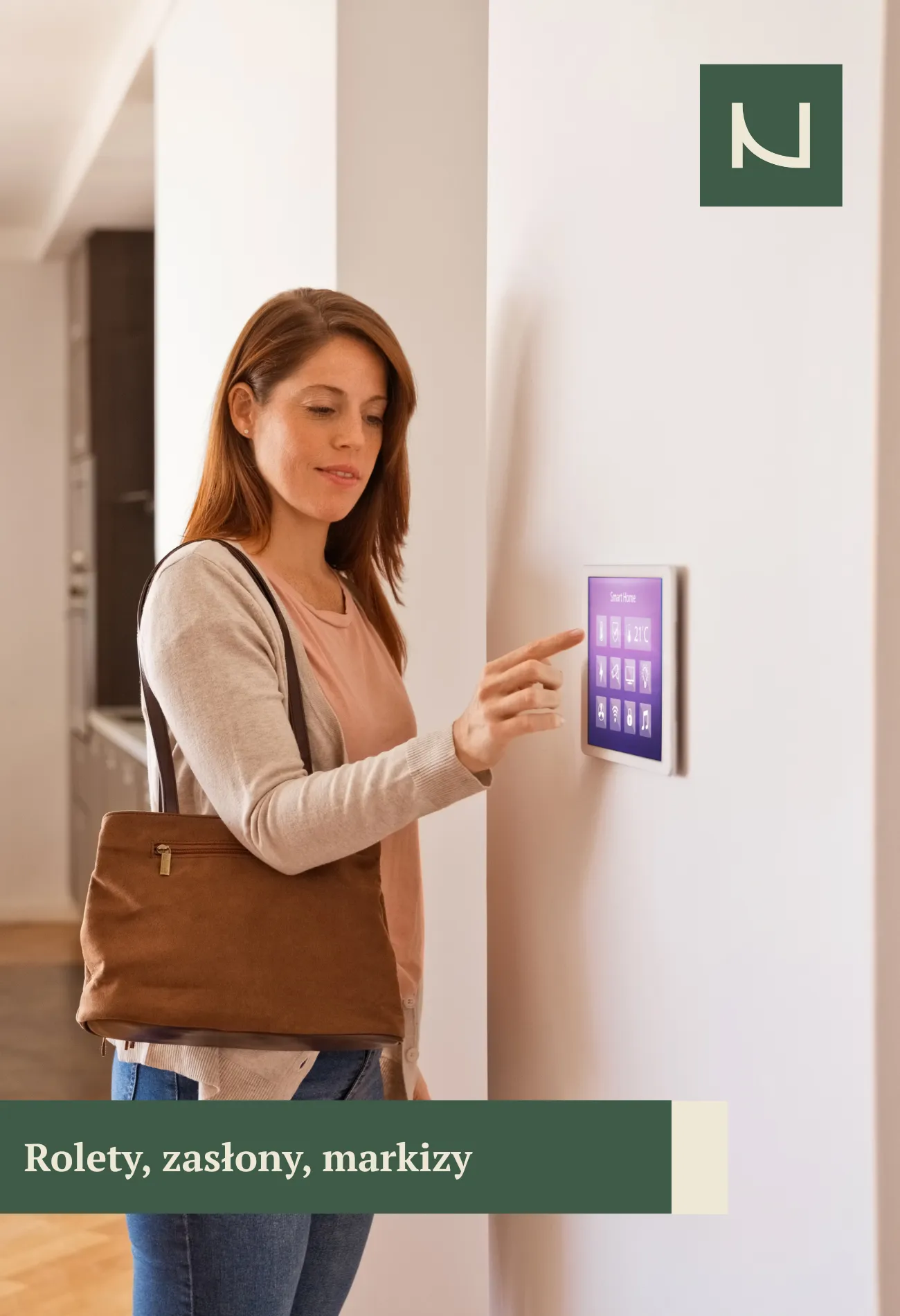
Remote-controlled window coverings are not only convenient but also aesthetically pleasing – they can completely eliminate traditional chain mechanisms. In many cases, roller blinds are compatible with light sensors or programmed scenarios, for example, they close automatically at dusk or during periods of intense sunlight.
Multimedia
Multiroom audio and video systems are becoming increasingly popular. They allow you to control music throughout your entire home, with the ability to select the audio source and volume in individual rooms. A well-designed smart audio system can be virtually invisible – speakers built into the ceiling or wall don’t disrupt the overall design.
Security
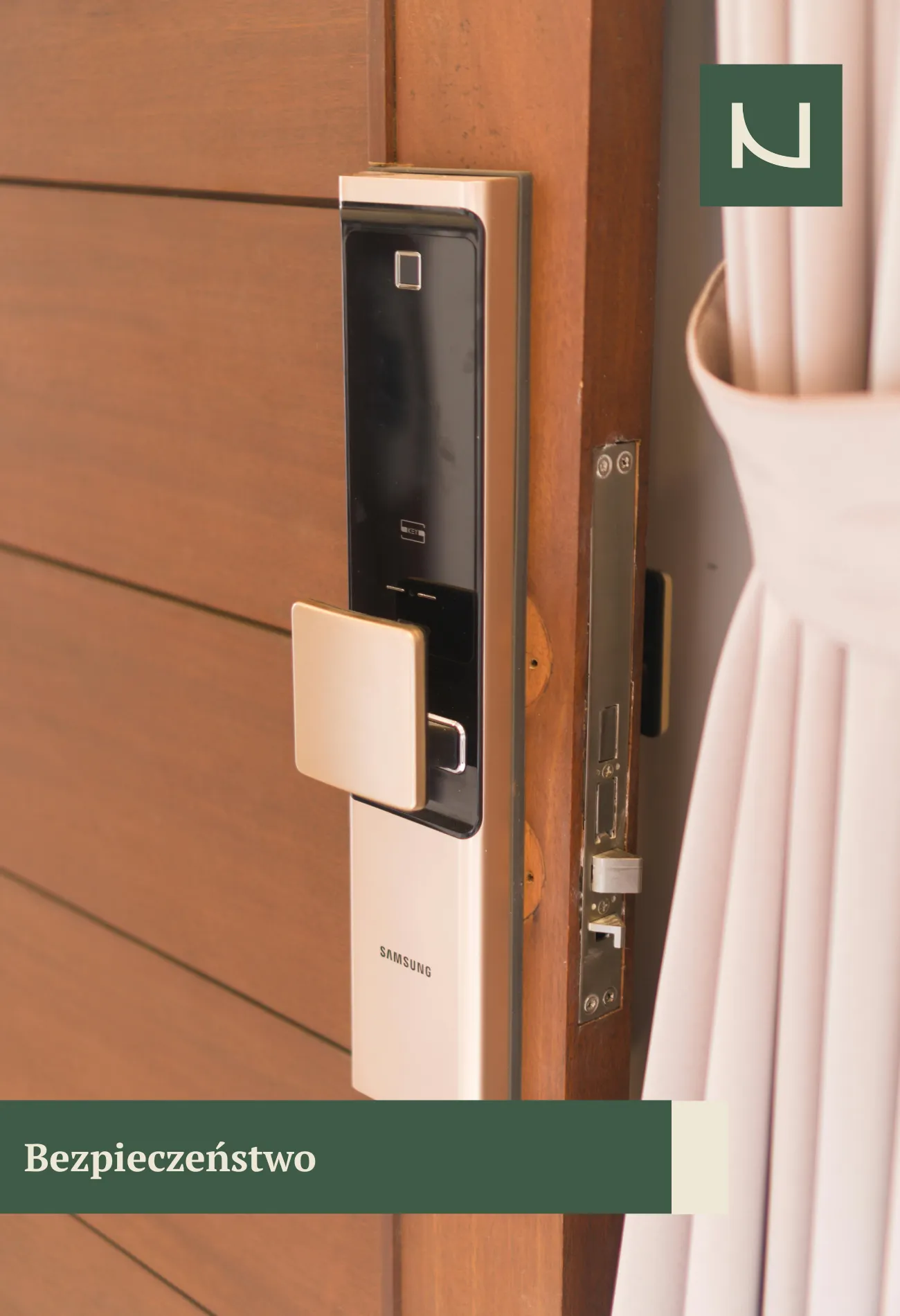
Alarm systems, cameras, door sensors, smoke and flood detection – all of this can be integrated into a single control panel. Furthermore, mobile apps notify the owner of every event in real time, providing a tremendous sense of control and security.
How to plan a smart home when designing interiors?
When to start?
The best time to implement a smart home system is during the interior design phase or a major renovation. This allows you to plan the appropriate placement of outlets, lighting points, cable routes (if you’re opting for wired solutions), and the aesthetic integration of devices with the interior design.
What to include in the project?
- Location of the system control unit (if required) – it is often best to place it in a switchboard or separate technical cabinet.
- Lighting and power zones – plan which luminaires will be connected to smart control and which will not.
- Cable ducts – with wired solutions such as KNX, you need to take into account the cable routes in the walls.
- Device aesthetics – some smart switches may differ in appearance from traditional ones. Choose them to complement the rest of your décor.
Collaboration with an interior designer
A good interior designer should be aware of available smart solutions and be able to plan their layout in an aesthetically pleasing and functional manner. It’s best if the architect collaborates with the system installer or has their own experience in this field.
Is investing in a smart home worth it?
Everyday benefits
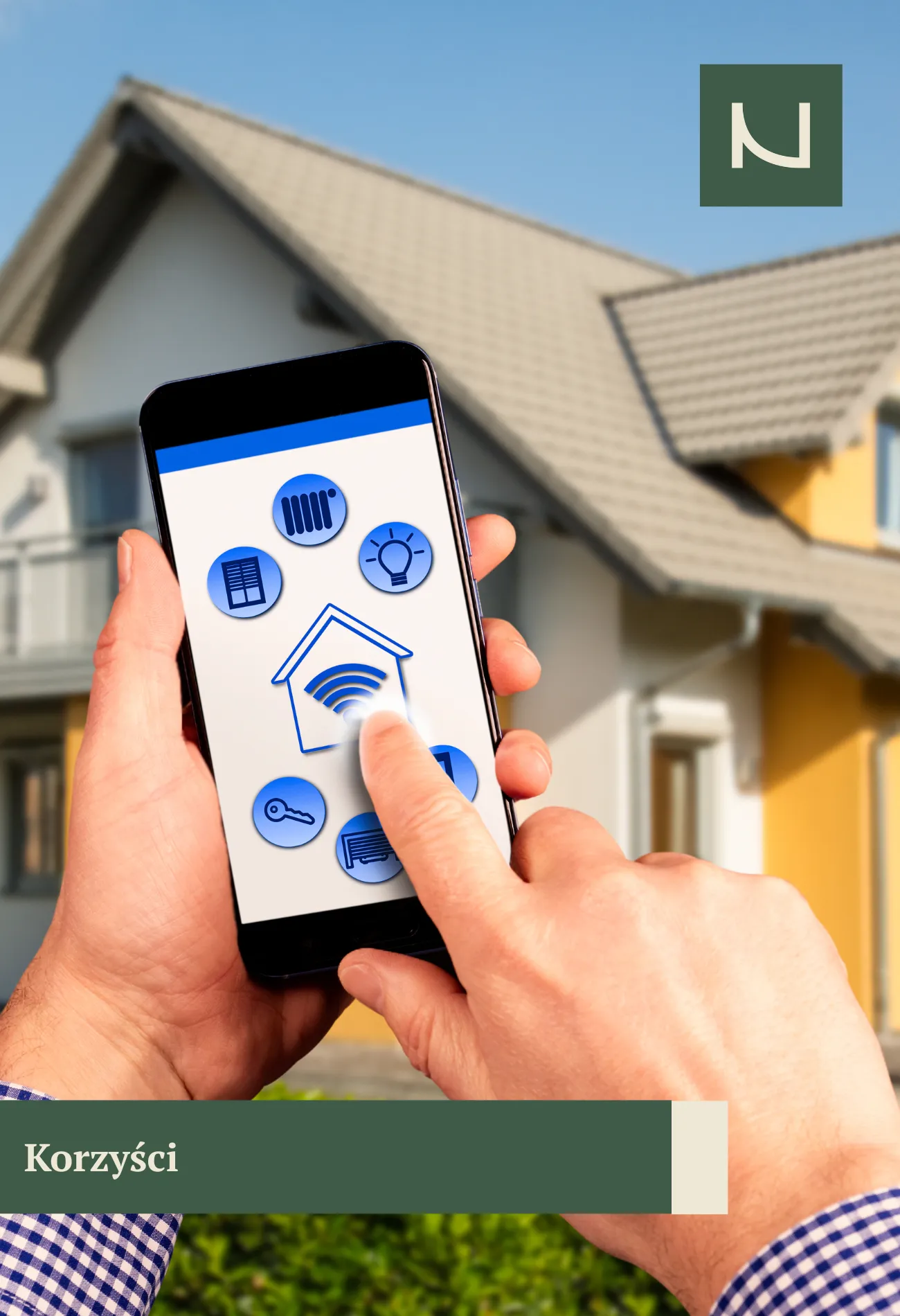
- Convenience – you control your home using an app or your voice, without having to leave the couch.
- Savings – better control over energy consumption means real financial benefits.
- Aesthetics – fewer cables, fewer switches, more functional solutions hidden in the design.
- Security – full control over what’s happening at home, even when you’re away.
Property value
In the eyes of buyers, a smart home is increasingly considered not a luxury, but an asset – especially in new construction . Integrated smart systems can significantly increase the value of an apartment or house on the resale market.
Summary
A smart home isn’t just a gadget—it’s a well-thought-out system that significantly impacts the quality of daily life. The increasing availability of technology, system flexibility, and expandability make smart solutions adaptable to any home. Smart solutions are ideal for both a 30-square-meter studio apartment and a large house with a garden.
If you’re currently designing your interior, planning a renovation, or furnishing a new apartment, contact us – we’ll design a functional interior with intelligent solutions.