What are grooved fronts?
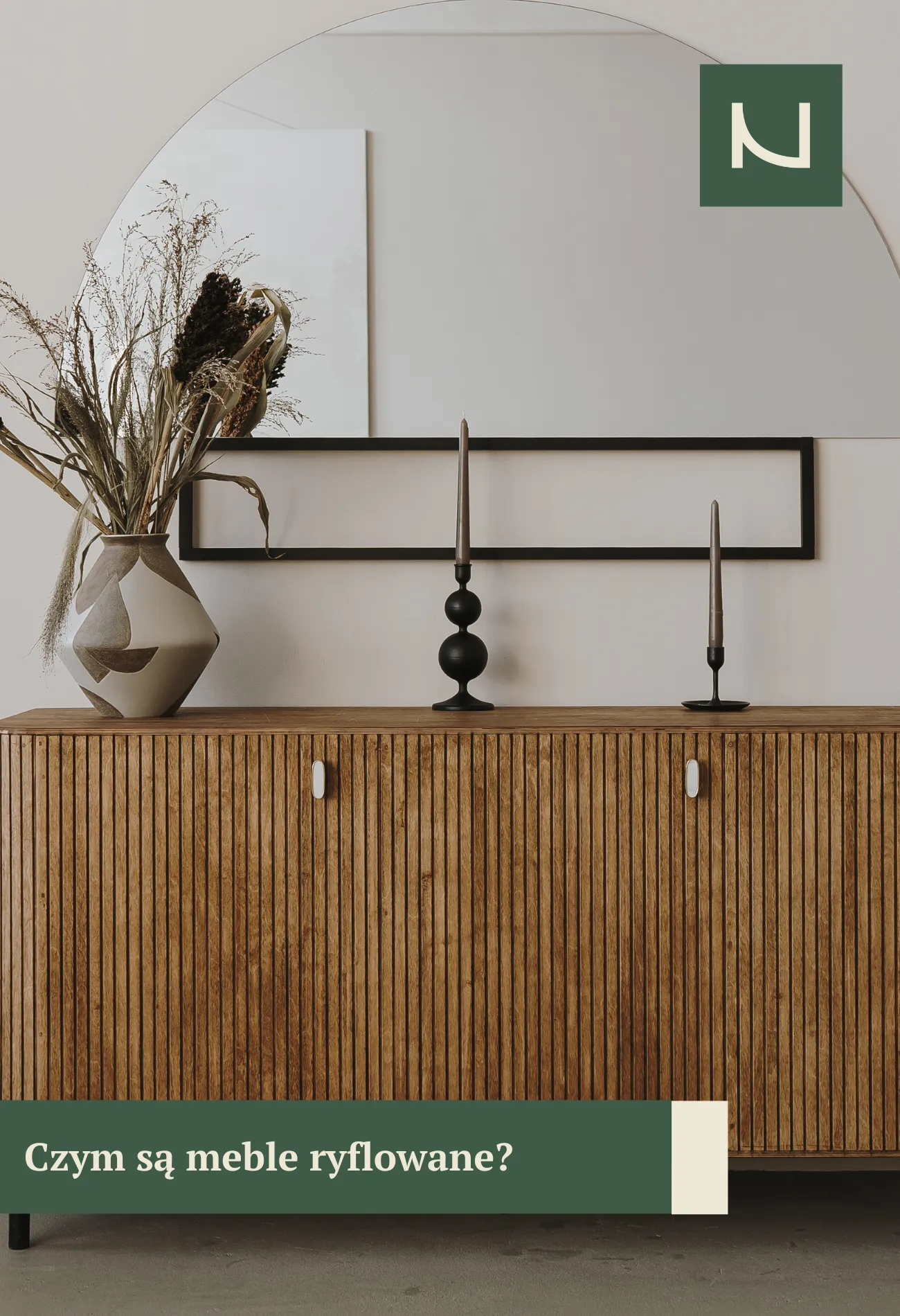
Grooved fronts are furniture panels with characteristic vertical or horizontal grooves. Their surface is not smooth, but decorated with regular lines that give the interior a modern and elegant look. This finish has gained enormous popularity in recent years, especially in kitchen and living room designs. Grooved fronts are becoming increasingly popular not only in wardrobes and chests of drawers, but also in kitchens, becoming a strong accent in the entire design.
Advantages of grooved fronts
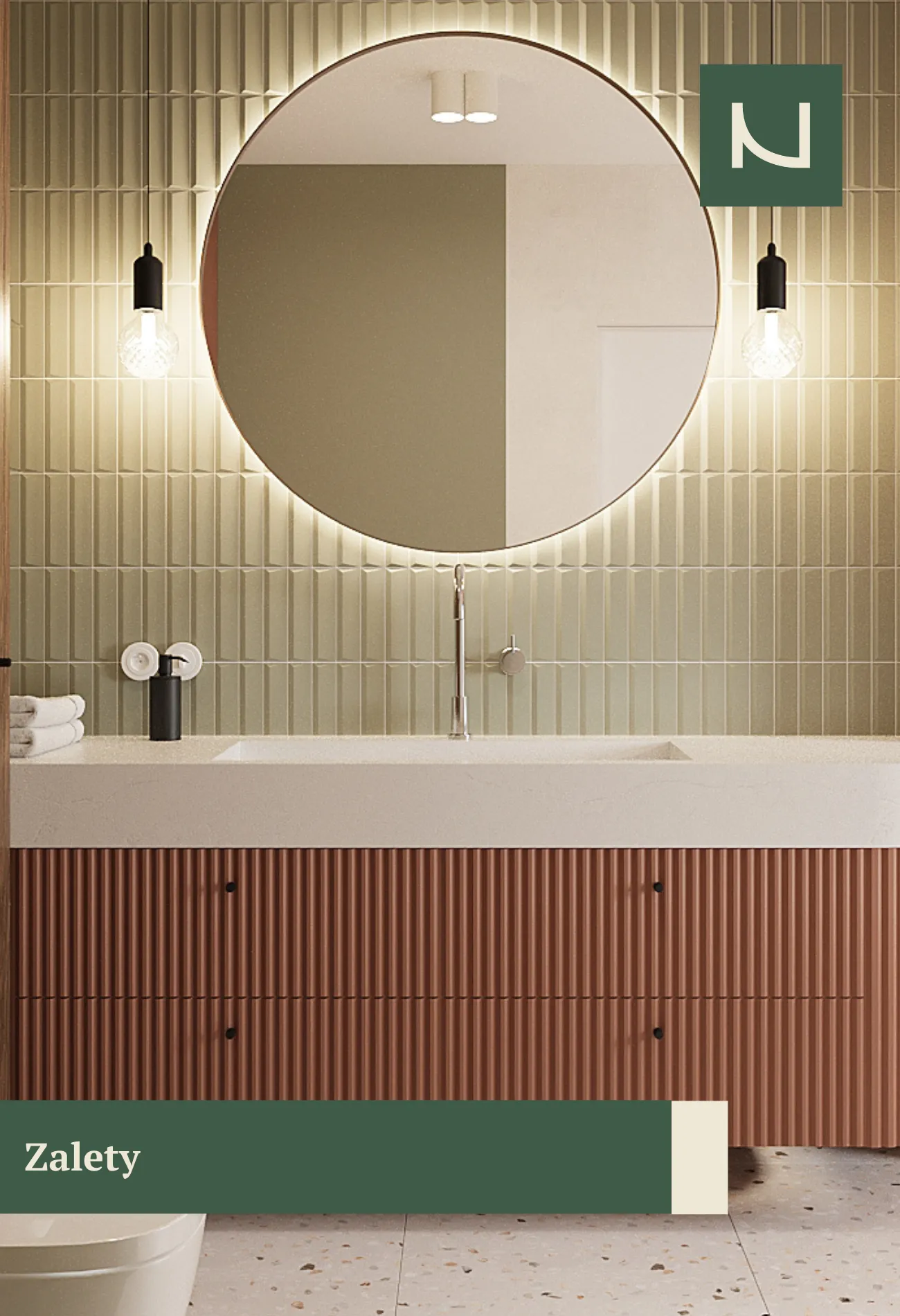
Modern and elegant look
Furniture with grooved fronts perfectly fits current trends. Their geometric form adds lightness and a modern character to the interior, while breaking the monotony of smooth surfaces.
Versatility in arrangement
Grooved furniture fronts work well in both minimalist spaces and more classic interiors. They complement modern classic, Japanese, Scandinavian, and loft styles.
Possibility of personalization
Grooves can vary in depth, width, and direction, making them easy to match to a specific design vision – from subtle grooves to expressive and decorative carvings.
Optical effect
Vertical grooving can visually slim furniture and even raise the visual height of a room. This is a great solution for smaller apartments.
Disadvantages of grooved fronts
More difficult cleaning
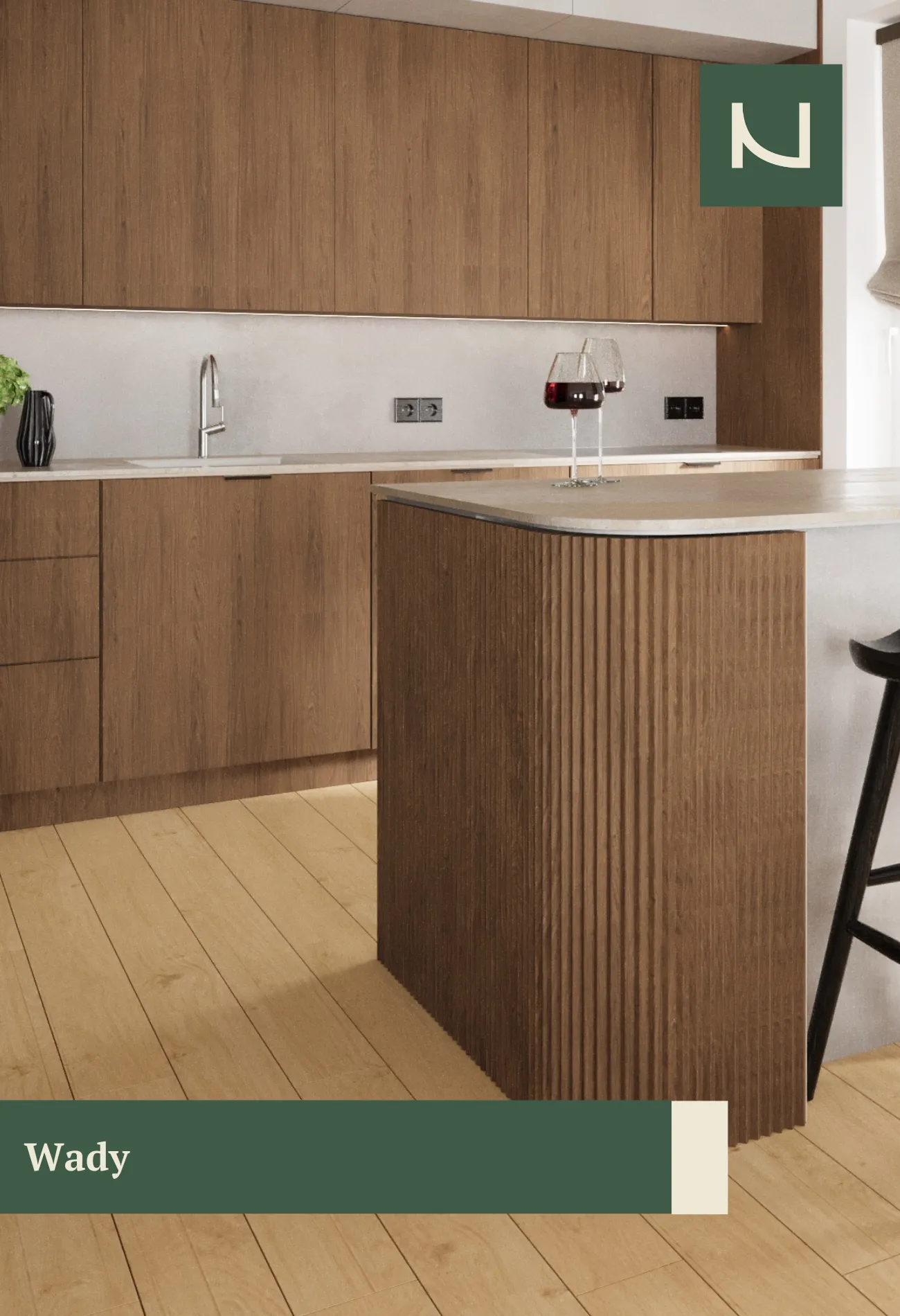
The biggest drawback is that grooved surfaces tend to collect dust and dirt more easily. In kitchens, where greasy deposits often accumulate, grooved fronts may require more frequent cleaning than smooth ones.
Higher price
Furniture with grooved fronts is usually more expensive than standard models due to the more complex production process.
Risk of overindulgence
While grooved furniture fronts look impressive, too much of this accent in a design can make the interior feel too heavy or overwhelming. It’s best to use them sparingly, for example, on selected kitchen cabinets.
Kitchen and grooved fronts – is this a good solution?
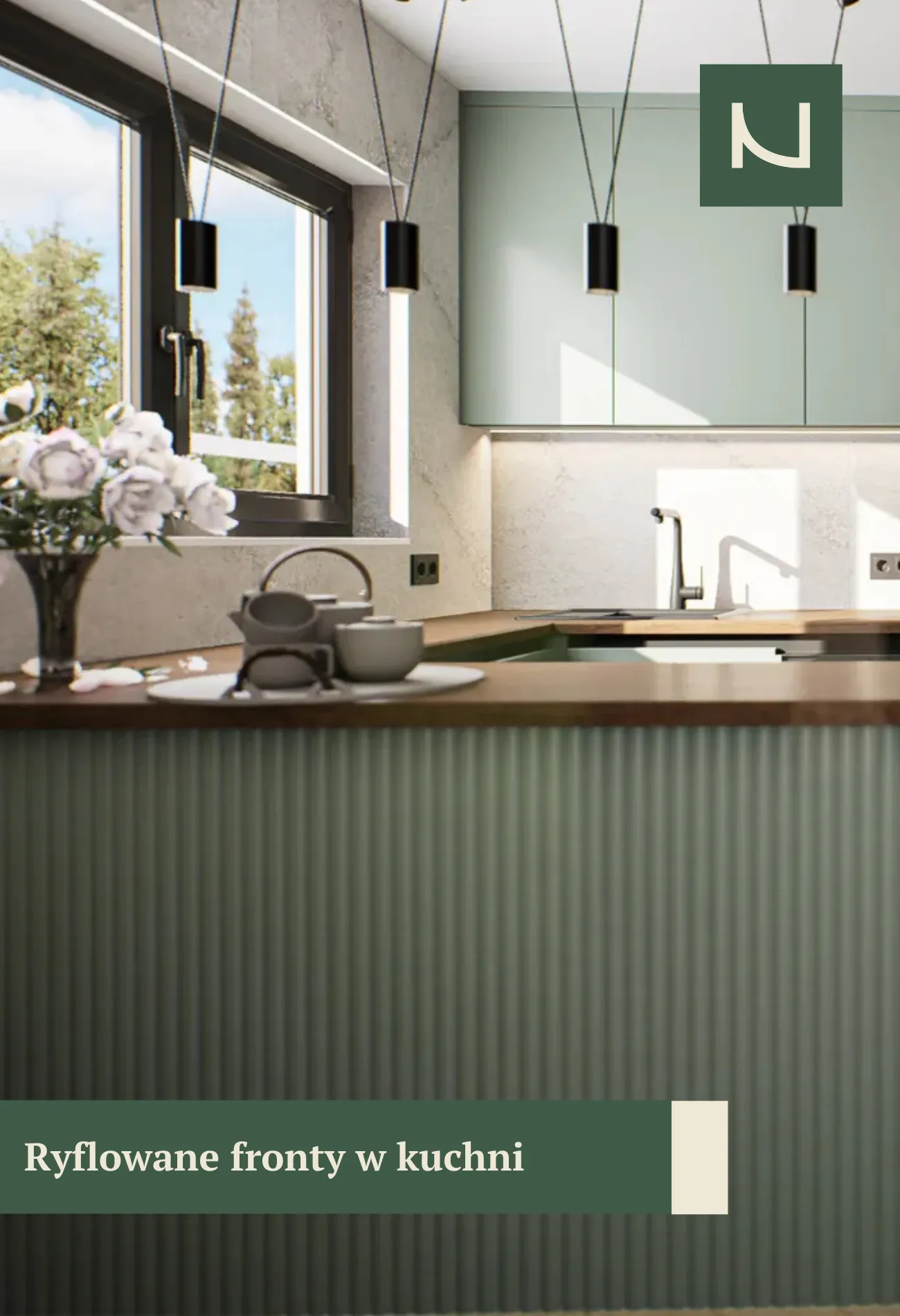
A kitchen with grooved fronts is one of the most interesting trends in interior design. This type of furniture immediately catches the eye and makes the kitchen not only practical but also decorative. Vertical grooves lend elegance and subtly elongate the cabinets, which works perfectly in smaller spaces. This gives even a small kitchen a light and modern feel.
It’s worth remembering, however, that in kitchens, where furniture is particularly susceptible to dirt, grooved fronts require more care. Grooves can accumulate dust and grease, so it’s best to choose easy-to-clean materials, such as moisture- and scratch-resistant lacquered fronts. It’s also good practice to combine grooved elements with smooth ones, for example, by using grooves on a kitchen island or upper cabinets, while leaving the lower fronts simple and minimalist.
This combination not only facilitates cleaning but also allows for a harmonious composition. As a result, grooved furniture fronts become an elegant accent that adds character without dominating the overall design.
Summary
Furniture with grooved fronts is a great choice for those who want to add elegance, lightness, and a modern character to their interior. Their advantages include a unique design and the ability to adapt to various styles, but their drawbacks include a higher price and the need for more frequent maintenance. If you dream of a fashionable kitchen, living room, or bedroom, grooved fronts can be a great solution, provided they are used sparingly and in the appropriate design context.
FAQ
What are grooved furniture fronts?
Grooved fronts are furniture fronts with decorative grooves in the form of vertical or horizontal lines. Their texture lends an interior a modern and elegant character while breaking the monotony of smooth surfaces. They are most often used in kitchens, living rooms, and bedrooms as a decorative accent.
What are the advantages of grooved fronts in the kitchen?
Grooved fronts add a touch of lightness and style to any interior, complementing a variety of designs – from minimalist to classic. Vertical grooves can visually elongate furniture and make the room appear taller. An additional advantage is the ability to customize the depth and direction of the grooves to suit your kitchen design.
Do grooved fronts have any disadvantages?
The biggest drawback is that they’re more difficult to keep clean, as the grooves can easily collect dust and grease, especially in kitchens. Furniture with grooved fronts is also typically more expensive than smooth ones due to the more complex production process. Therefore, they’re often used as accents—for example, on an island or selected cabinets—rather than throughout the entire unit.