


Designing a bathroom is one of the most demanding stages of interior design. It’s a space that must be functional, durable, and aesthetically pleasing, and mistakes made at this stage can be very costly to fix.
A well-prepared design can help avoid these issues and ensure your bathroom functions exactly as it should, day after day. If you’re wondering how to approach this, here are 10 rules that will make a real difference.
What are the most important rules for arranging a bathroom?
1. Start with a functional layout
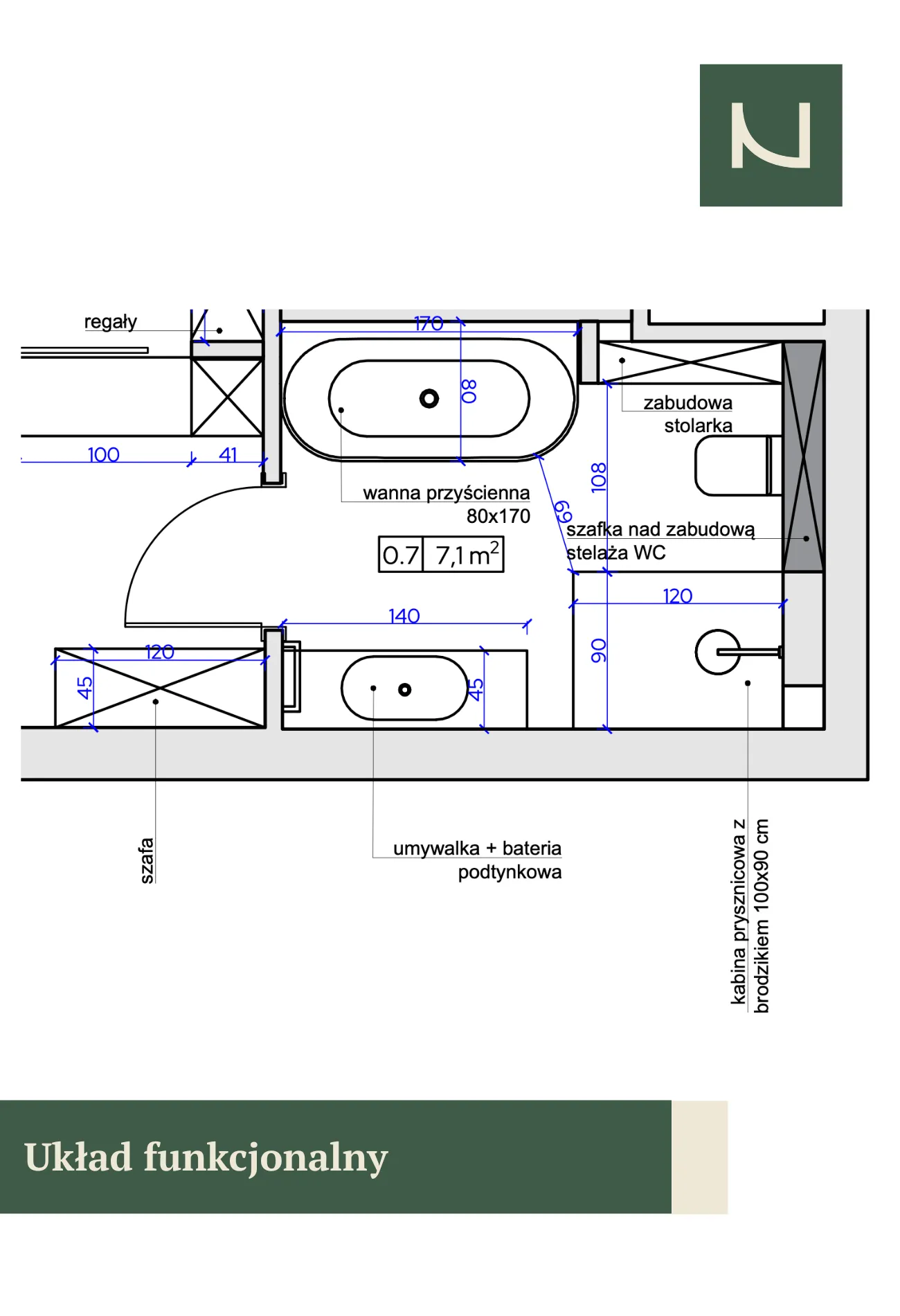
Every bathroom design begins with the layout. This determines whether the interior will be comfortable and logical to use. The appropriate arrangement of zones is crucial: the sink, toilet, and shower or bathtub. In practice, it’s worth considering existing connections and risers, as changing them often means additional costs. A well-designed system is one that not only looks good in visualizations but, above all, performs well in everyday use.
2. Tailor your bathroom to your needs
Designing a bathroom should begin with the question: who will use it and how? Designing a space for a couple is different, for a family with children, and for a rental property is still different. It’s at this stage that you make decisions that impact functionality: whether to choose a bathtub or a shower, whether a double sink is necessary, and how much space to allocate for storage. A well-tailored design is one that meets the real needs of its users.
👉 If you have any doubts about which solutions will be best for you, it is worth consulting the project with an interior designer, as this often allows you to avoid costly decisions right from the start.

3. Focus on ergonomics
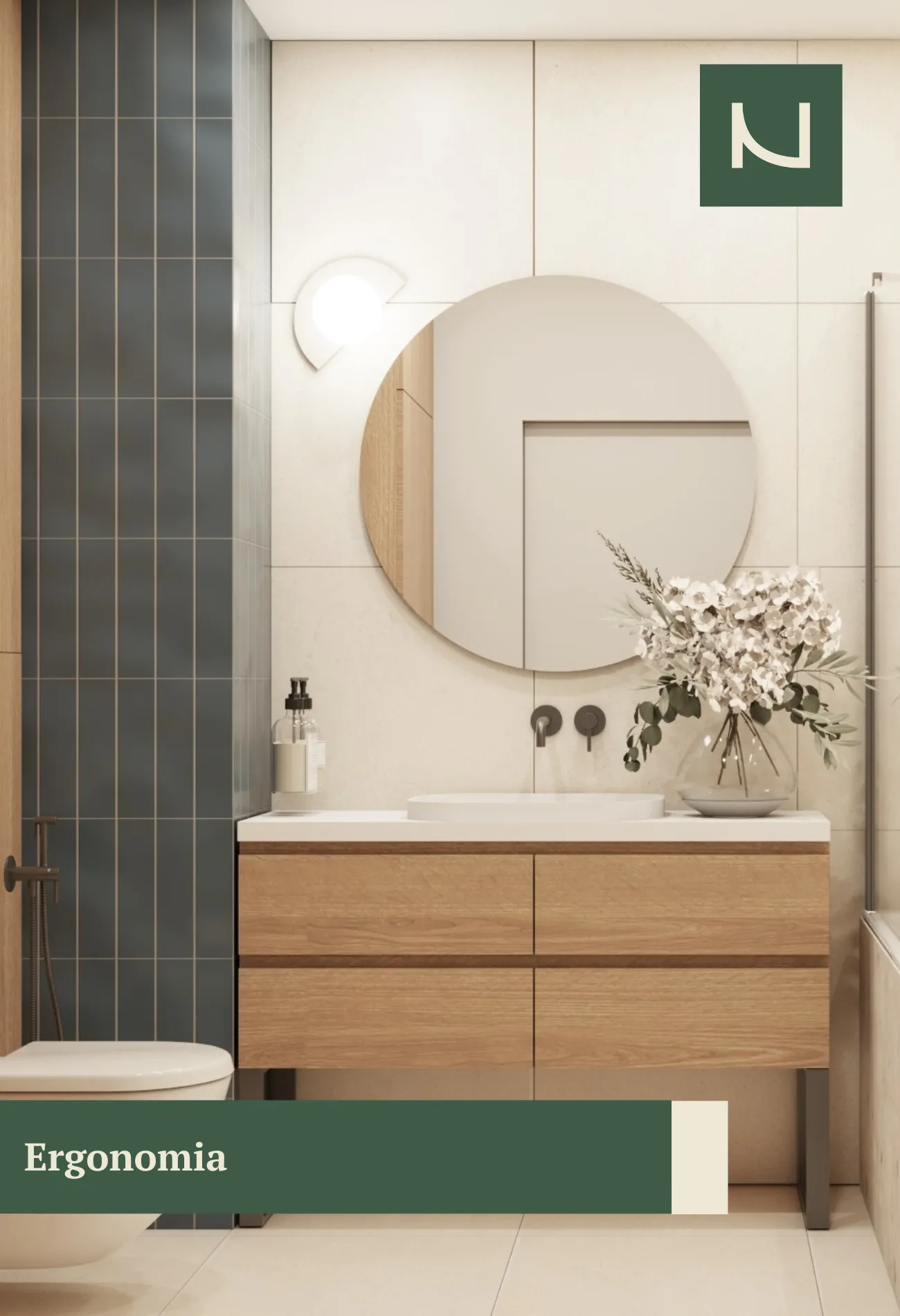
Ergonomics is the foundation of a well-designed bathroom. Even the most beautiful interior will be uncomfortable if proper spacing and proportions are not maintained. Adequate space in front of the sink, a comfortable entrance to the shower, and a well-chosen height for mounting elements are things that have a real impact on everyday use of the bathroom.
4. Plan appropriate storage and furniture
Lack of storage space is one of the most common mistakes. Bathroom design should take into account everything that will be stored there, from cosmetics to cleaning supplies. In practice, high-ceiling cabinets and wall-mounted cabinets with sinks work best. Such solutions facilitate cleaning and make the interior appear lighter. The least practical furniture is one with legs with low clearance – it is difficult to clean them thoroughly, which causes dust and dirt to accumulate quickly.
5. Lighting is of paramount importance
Bathroom lighting influences both the functionality and the ambiance of the interior. A well-designed space should have several light sources: general, near the mirror, and decorative. Light is the key to creating a home spa experience. Subtle backlighting, LED lighting under cabinets, and atmospheric evening lighting can completely transform the feel of your bathroom, transforming it into a space of relaxation.
What to remember when designing a bathroom?
6. Choose moisture-resistant materials
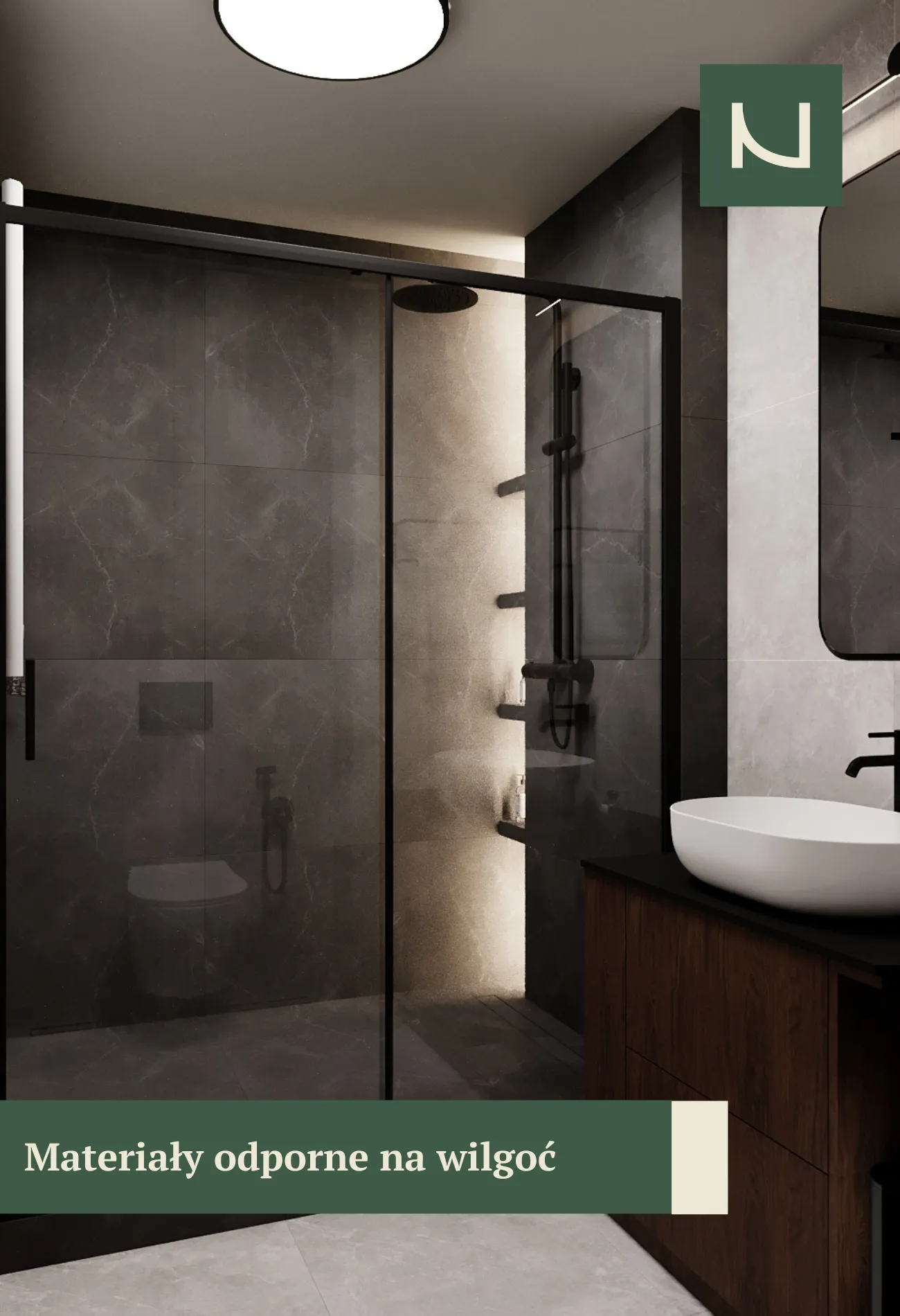
The bathroom is a room with increased humidity, so the choice of materials is crucial for the durability of the entire interior. It’s worth paying attention not only to tiles but also to furniture, paint, grout, and countertops. HPL countertops, especially for countertop sinks, are particularly effective because they are moisture-resistant and more economical than stone. An alternative is glass-covered countertops, which are very easy to clean.
Saving on materials in the bathroom can quickly backfire, so it is better to choose solutions dedicated to such conditions.
7. Take care of the technical details
This is one of the most important, yet least visible, aspects. Bathroom design should incorporate the correct technical solutions from the design stage. The slope in the shower area, the tightness of the moisture barrier, and the precision of the workmanship are crucial. The choice of grout is equally important; very light-colored grouts get dirty quickly, so it’s often better to choose a slightly darker shade.
These are details that cannot be seen in the visualization, but which determine the durability of the bathroom.
8. Don’t skimp on installations and fittings
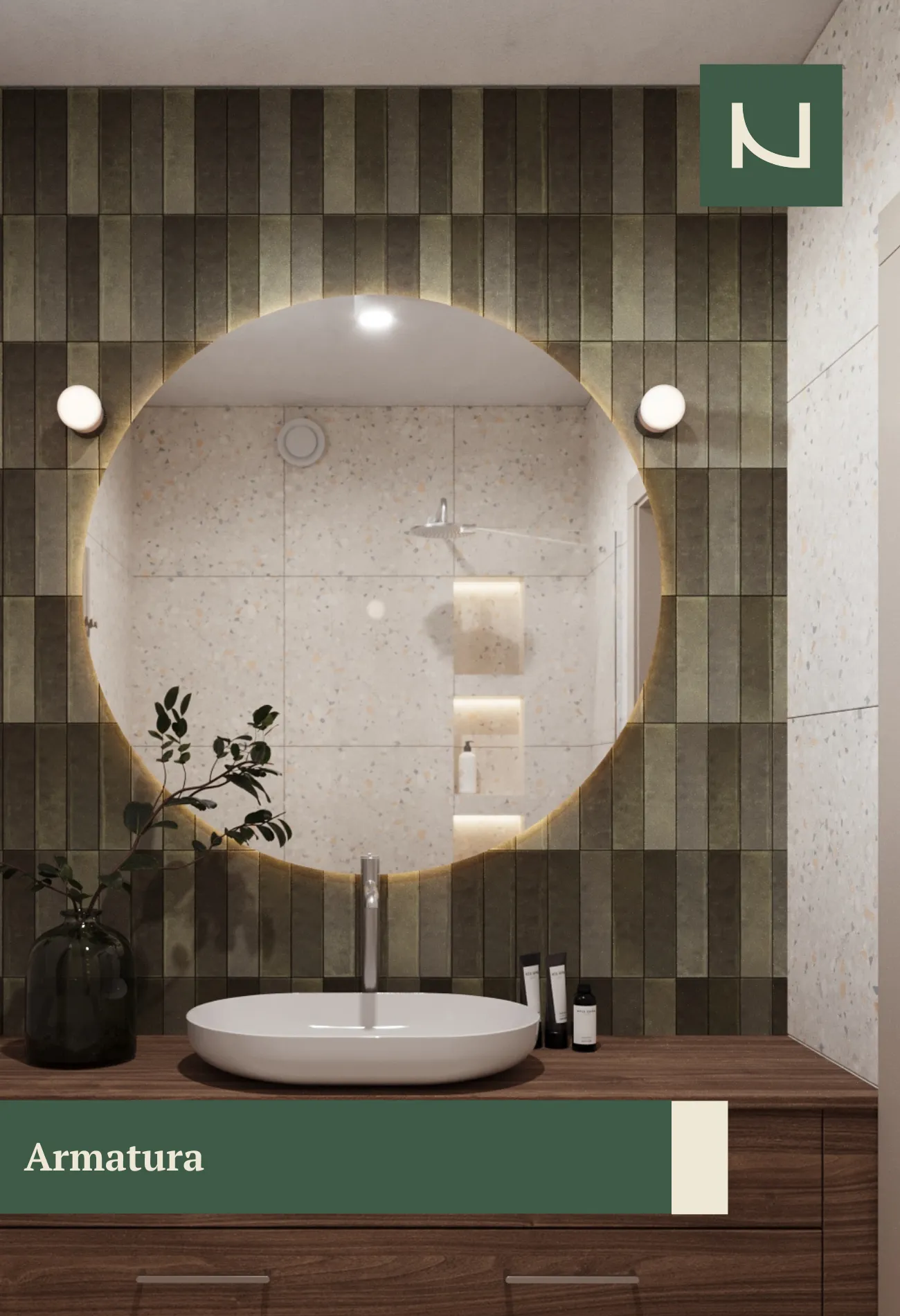
This is an absolutely crucial element of the entire project. Bathroom design is not just about aesthetics; it’s a system that must function flawlessly for years. The most important hidden elements in the walls are concealed faucets, toilet frames, and shower systems. If they fail, repairs often involve breaking tiles and incurring significant costs. That is why these elements should be treated as an investment, not a place to save.
👉 In practice, many clients decide on comprehensive bathroom design precisely to ensure that all technical solutions are well planned and tested.
9. Think about ease of cleaning
Bathroom design should take into account everyday use, including cleaning.It’s worth paying attention to the choice of floor tiles. Smooth surfaces quickly show any dirt, so tiles with a subtle pattern, such as terrazzo or stone-effect tiles, are better. This keeps your bathroom looking clean for longer and requires less effort to maintain.
10. Leave room for details
It’s the details that determine the final effect. Fixtures, mirrors, and accessories should be considered at the design stage to ensure a cohesive overall look.
Remember to consider your bathroom design comprehensively. Any inspiration can be useful; don’t look for solutions one by one, from a single perspective – a well-thought-out interior will work best!
What should a bathroom design look like?
Professional bathroom design is more than just visualization. A good design includes a precise functional layout, plumbing layout, material selection, and technical drawings for contractors. This stage determines whether the implementation will proceed smoothly and without costly errors. Below, you’ll see sample technical drawings that incorporate each of these elements:
Summary
A well-designed bathroom is an investment that will last for years. It’s worth remembering the most important rules:
- think through the functional layout,
- match the design to your lifestyle,
- take care of ergonomics,
- plan storage and furniture,
- use lighting to create atmosphere,
- choose moisture-resistant materials,
- refine the technical details,
- don’t skimp on installations and fittings,
- design with easy cleaning in mind,
- ensure consistent details.
If you want a bathroom that is not only aesthetically pleasing, but also functional and hassle-free to use, it’s worth investing in professional bathroom design and comprehensive implementation.
👉 Thanks to this, you can be sure that everything from the layout to the technical details has been well thought out.


