A modern kitchen with an island or a kitchen with a peninsula is the dream of many lovers of beautiful and functional interiors. Both solutions allow for comfortable cooking, spending time together as a family, and effectively creating a separate kitchen area in an open-plan apartment. However, the key is the right design, tailored to the space and the needs of the household.
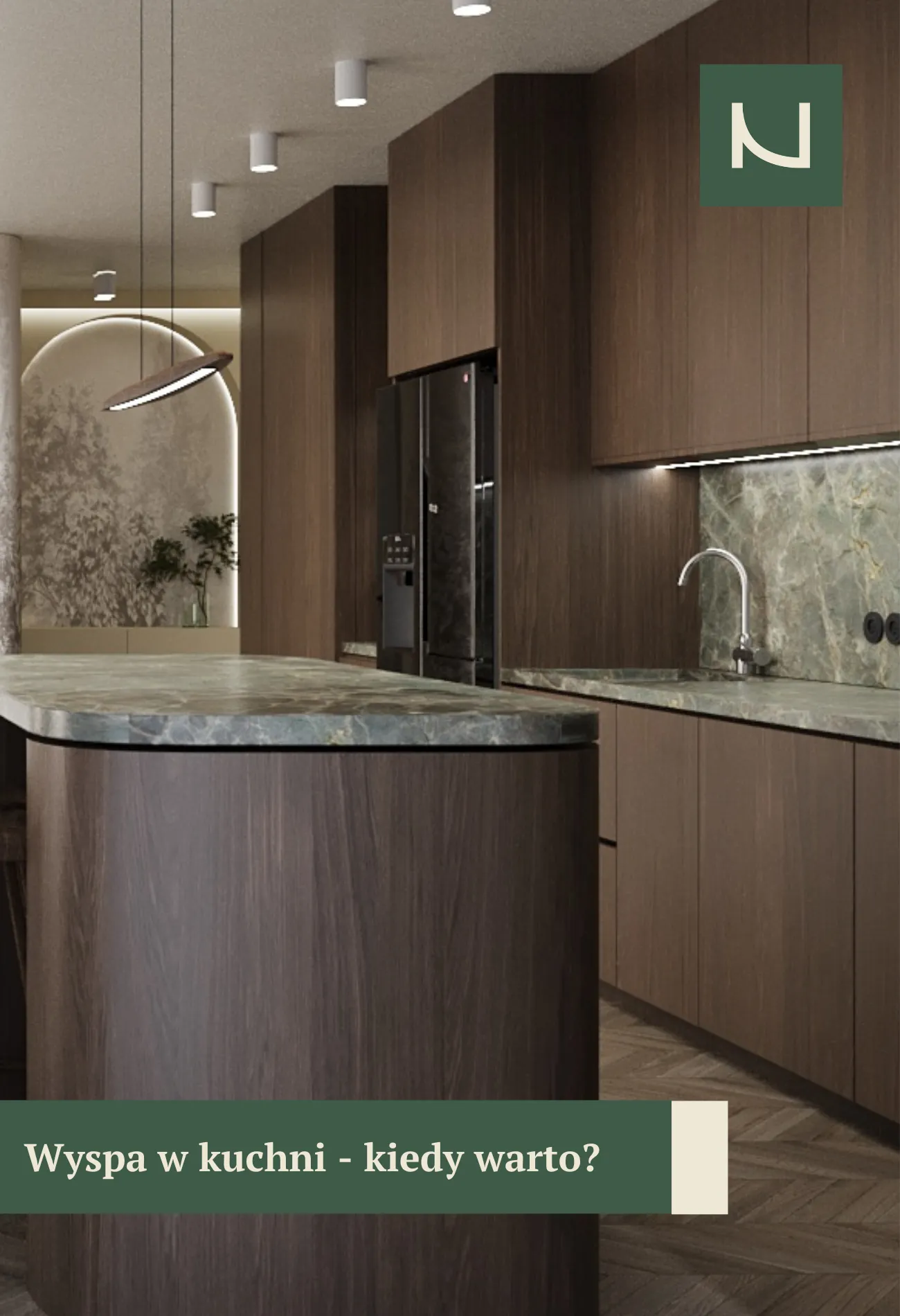
What are the rules for designing a kitchen with an island?
A well-designed modern kitchen with an island requires space and a well-thought-out layout. It’s worth remembering a few key principles:
- The distance between the island and the built-in units is minimum 90 cm, and optimally 120 cm, to allow for free opening of cabinets, oven or dishwasher.
- Maintaining the work triangle – the refrigerator, sink and hob should be arranged to reduce time and distance when preparing meals.
- Island functions – it can serve as an additional countertop, a cooking, washing-up, or dining area. It’s worth planning it according to your cooking style.
- Lighting – hanging lamps will work perfectly above the island, providing comfort while working and serving as an effective decoration.
- Storage – drawers, cabinets or shelves in the island will help keep things tidy.
💡 Tip: If the island is to include a sink or hob, plan the plumbing and electrical installations well in advance.
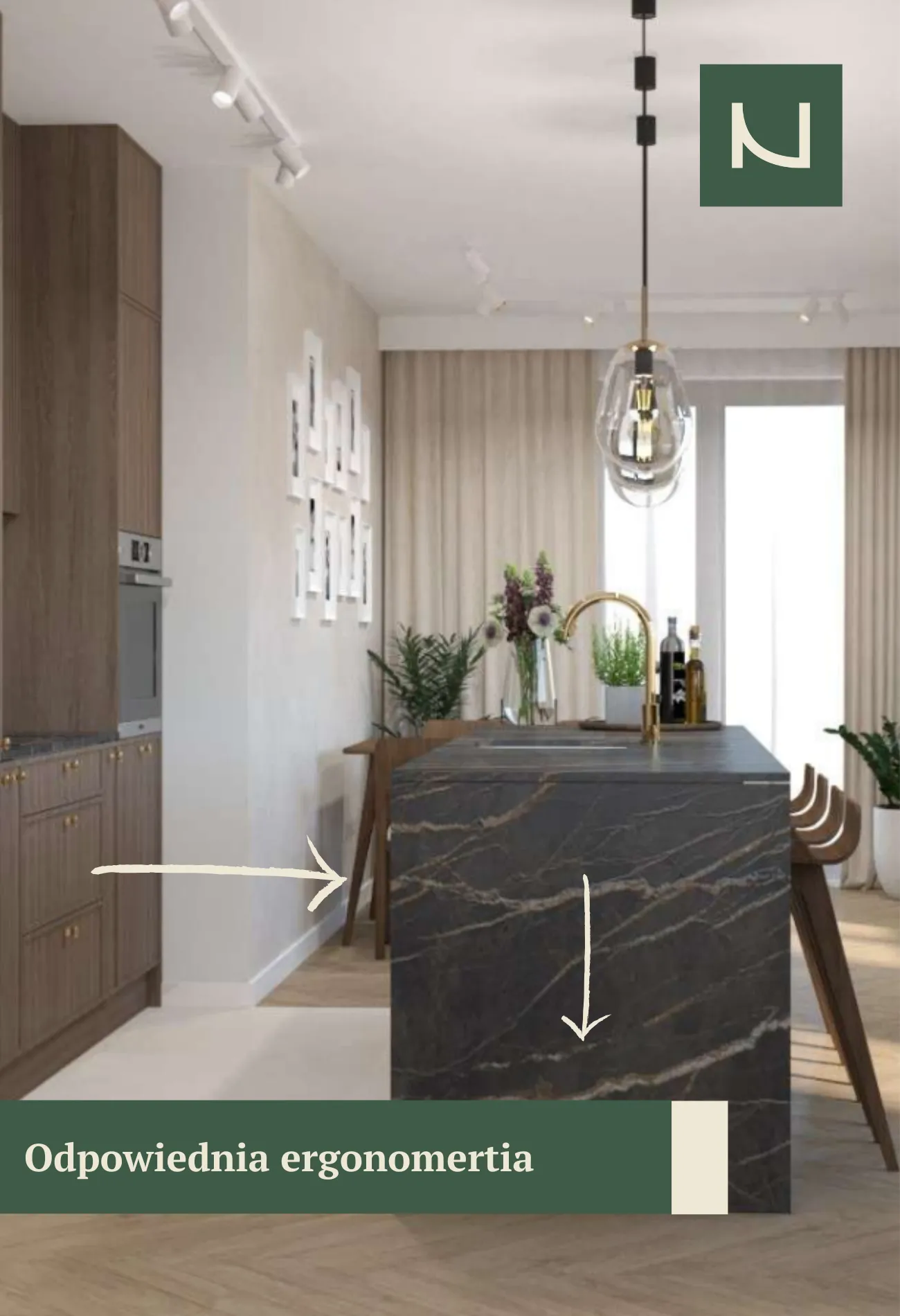
What is the difference between a peninsula and a kitchen island?
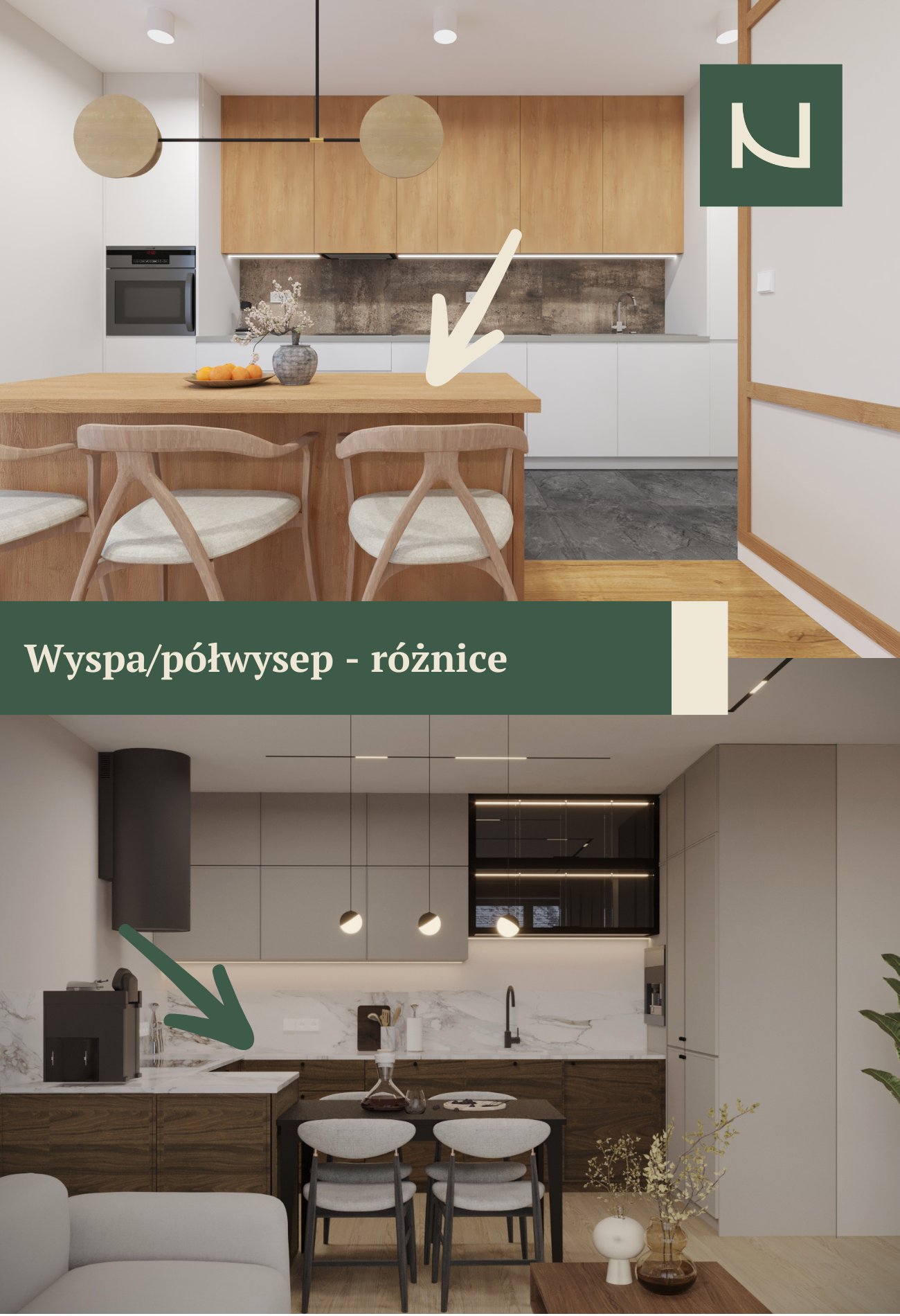
Although visually similar, the kitchen with a peninsula and an island differ in design:
- Island – a free-standing element accessible from all sides, allowing free movement around it.
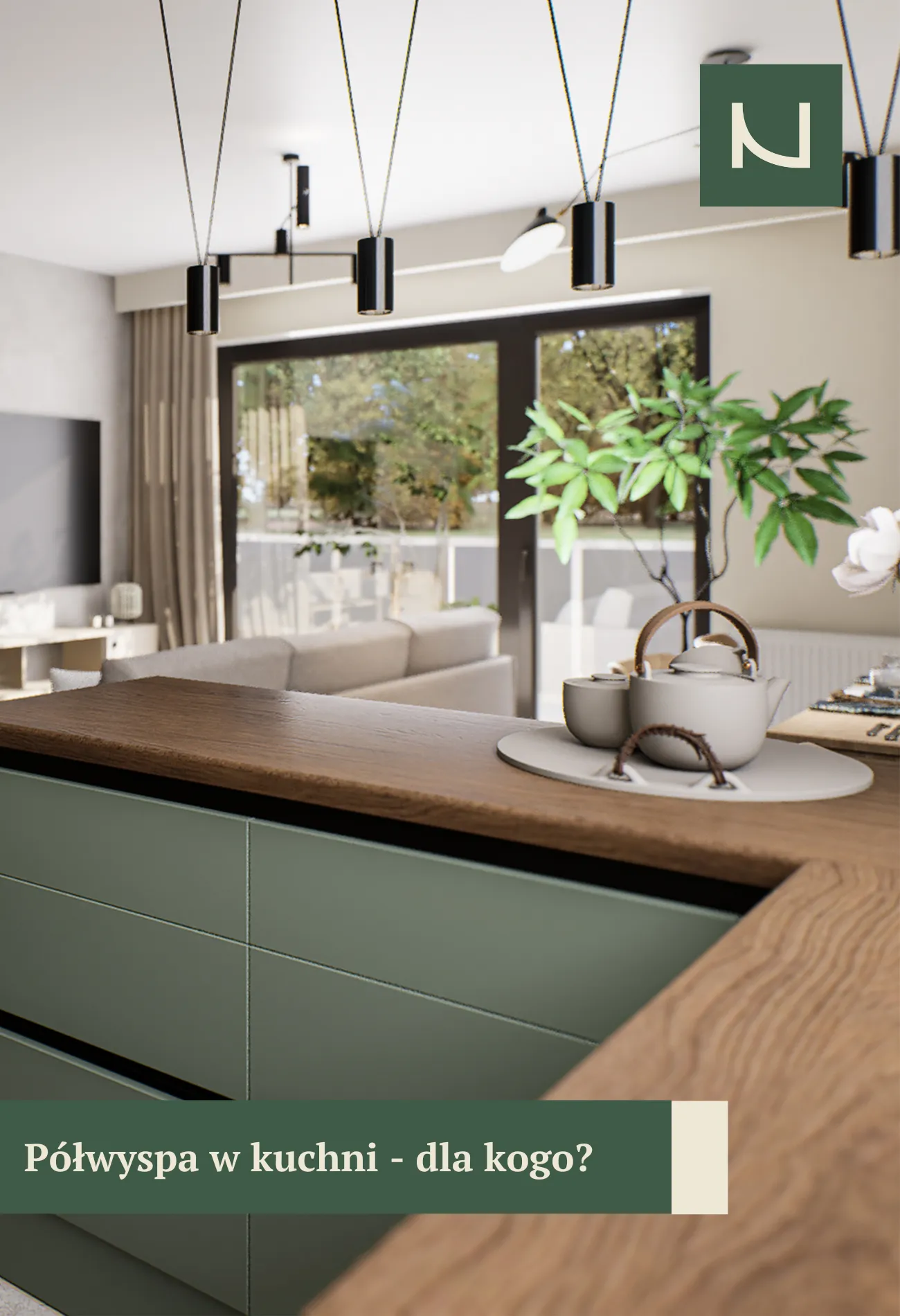
- Peninsula – connected on one side to the kitchen cabinets or wall, creates a natural “extension” of the countertop.
A peninsula is ideal for smaller kitchens where there is no room for a full-size island, but you also want to gain additional work space and visually separate the kitchen area from the living room.
Can a kitchen have an island and a peninsula?
Yes, but this solution is reserved for truly large rooms. Combining both elements can add a luxurious touch to the interior and allow for:
- separation of the cooking area (island) and the dining area (peninsula),
- increasing the number of seats,
- creating a unique space for cooking and meeting together.
💡 Example: In kitchens open to the living room, the peninsula can function as a breakfast bar, and the island as a food preparation area.
Is it worth building an island in the kitchen?
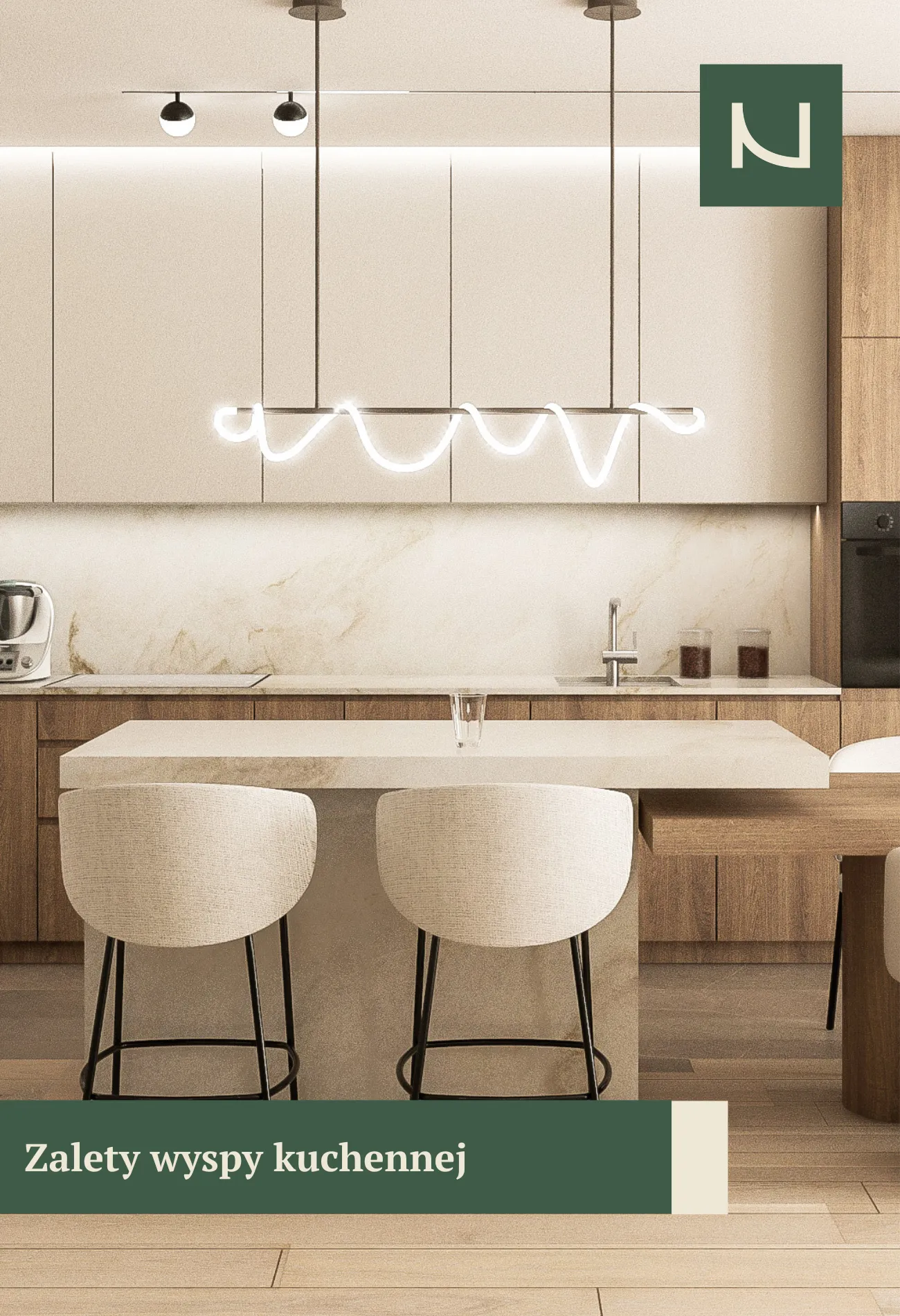
A modern kitchen with an island combines aesthetics and functionality. Its advantages include:
- more work space – additional countertop and cabinets,
- open space – contact with household members or guests while cooking,
- impressive appearance – the island becomes the focal point of the interior.
The disadvantages may be the need for more space and higher installation costs (especially if you plan on having a sink or cooktop on the island).
How to choose between an island and a peninsula?
The choice depends on:
-
- kitchen size,
- room layout,
- lifestyle (e.g. cooking solo vs. with family),
- budget.
In smaller kitchens, a kitchen with a peninsula will work better, while in larger ones, an island will work better, providing more freedom and arrangement possibilities.
Summary
Whether you choose a modern kitchen with an island or a kitchen with a peninsula , proper planning of the layout and function is crucial. Both solutions can make the kitchen the heart of the home – a comfortable, practical, and beautiful space. Still unsure which one to choose? Check out our advice on kitchen islands; we hope we can inspire you and help you choose! And if you’re interested in helping you design your perfect interior, contact us!
FAQ
What conditions must a kitchen meet to design an island?
A kitchen with an island requires a sufficient amount of space. The minimum distance between the island and the remaining units should be 90 cm, and optimally around 120 cm. This arrangement allows for free movement, opening cabinets, and convenient use of appliances.
What is the difference between a kitchen island and a peninsula?
A kitchen island is a freestanding element, accessible from all sides, while a peninsula is connected to the kitchen cabinetry or wall on one side. A peninsula is particularly useful in smaller kitchens where there isn’t room for a full-size island and additional workspace is needed.
Is a kitchen island always a good solution?
A kitchen island is very functional and attractive, but it won’t work in every space. Its advantages include additional countertop space, more storage space, and the ability to cook while interacting with family. Disadvantages include higher costs and the need for a large footprint, especially if you plan to install a sink or cooktop on the island.