


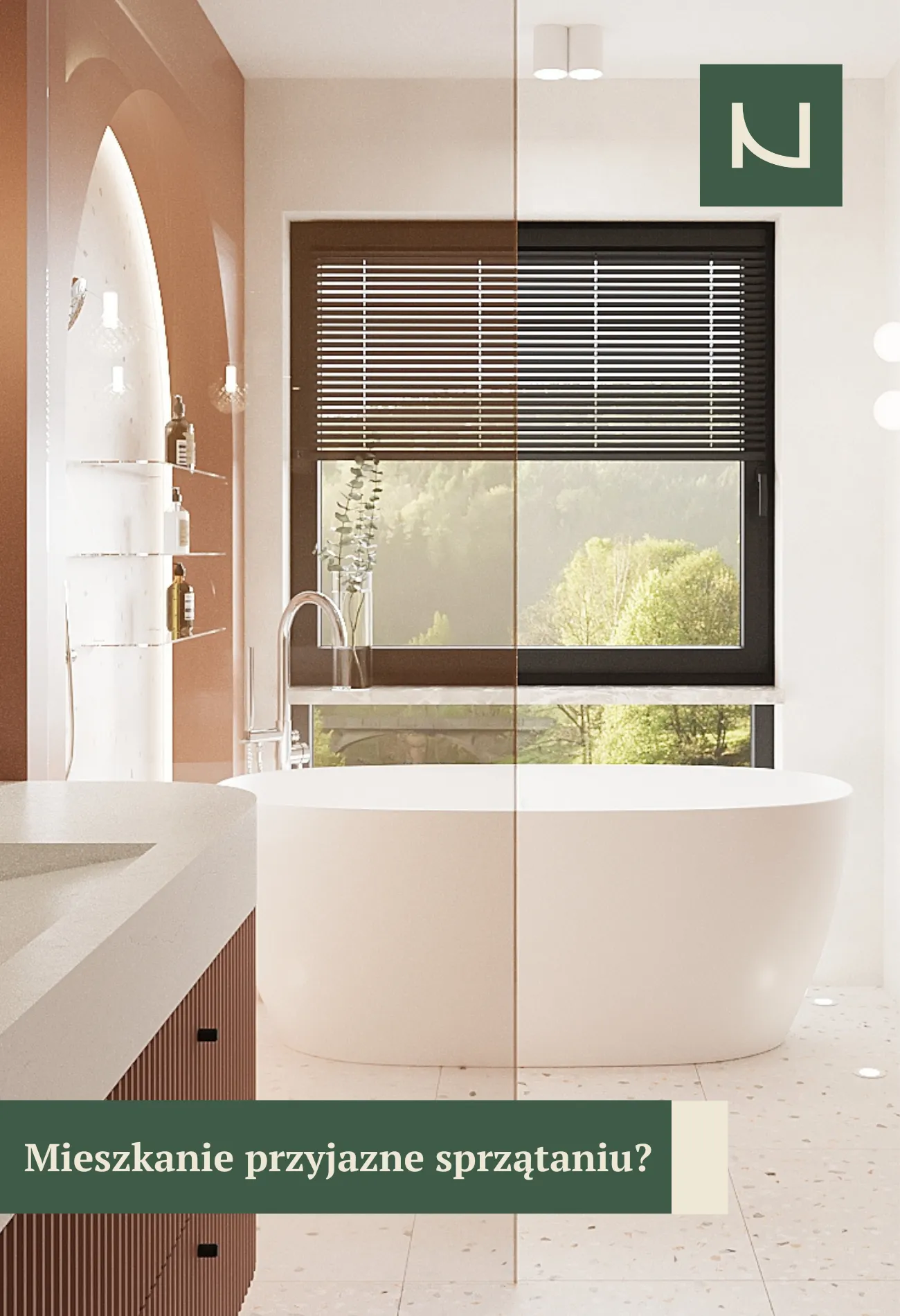
Cleaning the house isn’t a favorite activity for most of us. While it can’t be avoided entirely, you can significantly simplify your daily cleaning routine with proper interior design and finishing. Ergonomics, the selection of appropriate materials, and a well-thought-out layout have a huge impact on how often you need to clean and how long it takes.
In this article, we’ll show you how to furnish your apartment so that it’s not only aesthetically pleasing, but also practical in terms of keeping it clean.
Interior design and house cleaning, what matters?
Avoid nooks, crannies, and dust collectors
When designing an interior, it’s worth avoiding excessive protruding shelves, open shelving, slats in hard-to-reach areas, or unnecessary divisions that make vacuuming difficult. Smooth surfaces and simple lines will work much better – not only visually but also practically. Any detail that requires separate cleaning will prolong housekeeping and discourage tidiness.
Opt for ceiling-mounted units
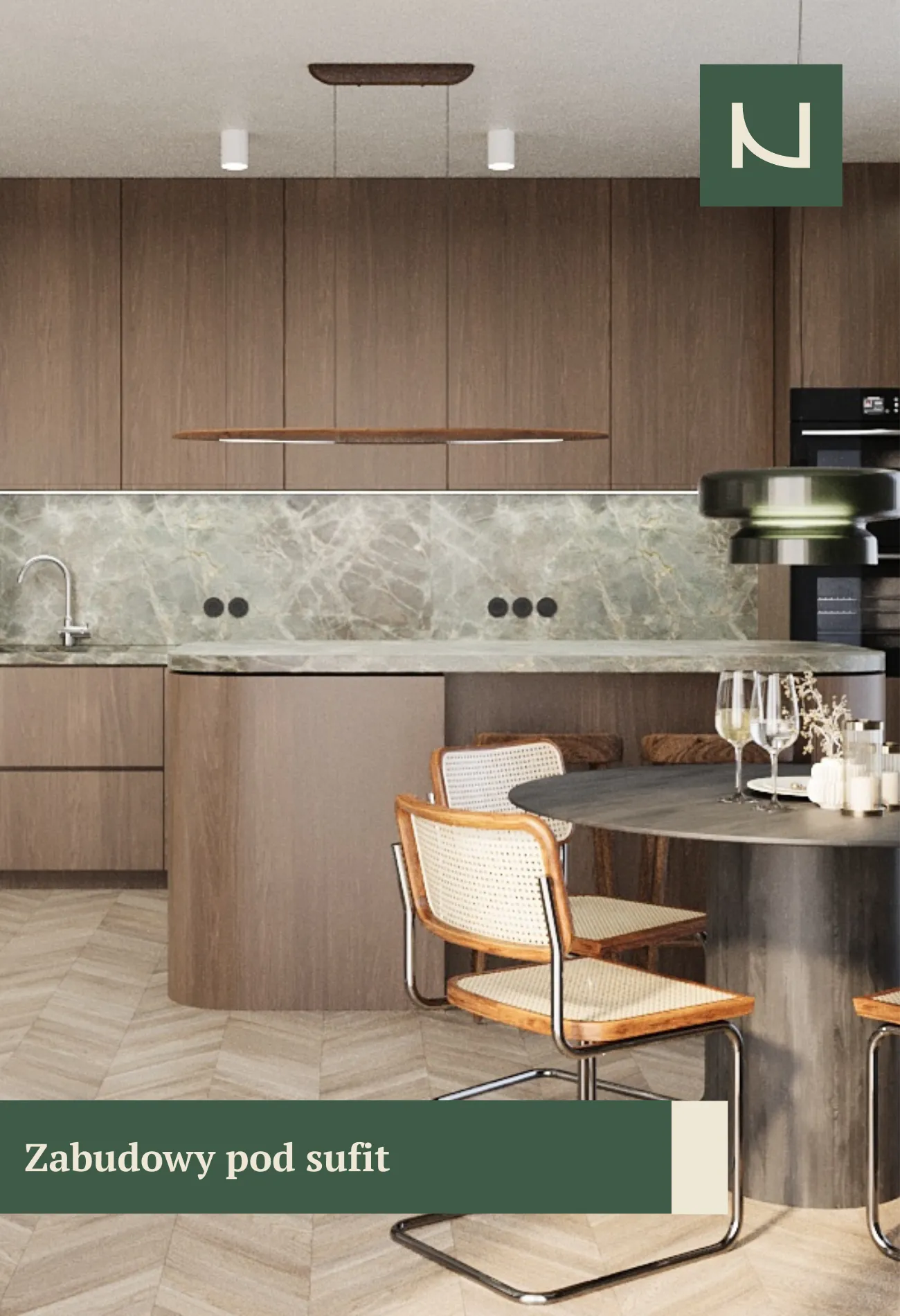
Open spaces above kitchen cabinets or bedroom closets are prime spots for dust accumulation. If you want to minimize your cleaning, choose built-in units that extend all the way to the ceiling. This will free up more storage space and avoid the hassle of cleaning hard-to-reach areas. This solution also works well in bathrooms – cabinets under the sink or bathroom columns should be fully built-in.
Space ergonomics
When designing an apartment with ease of cleaning in mind, it’s also important to consider ergonomics. An uncluttered space, free from narrow passages and hard-to-reach corners, allows for quick mopping of the floor or dusting. A well-planned furniture arrangement facilitates the use of a vacuum cleaner, mop, or cleaning robot.
What materials make cleaning your home easier?
Dirt-resistant floors
When choosing flooring for your home, it’s worth considering not only appearance but also ease of cleaning. The following are excellent choices:
- vinyl panels (LVT) – resistant to moisture and scratches,
- matte tiles with a delicate structure – not every trace is visible on them, the structure of the tiles may also be important – make sure that the tiles are not rough to the touch, as it will be difficult to clean them,
- light wood with a uniform pattern – exposes dust less than dark surfaces.
Avoid shiny tiles and dark panels, which expose every speck of dust and streak. It’s also worth paying attention to grout lines – the narrower and darker they are, the easier they are to maintain!
Furniture fronts and kitchen countertops
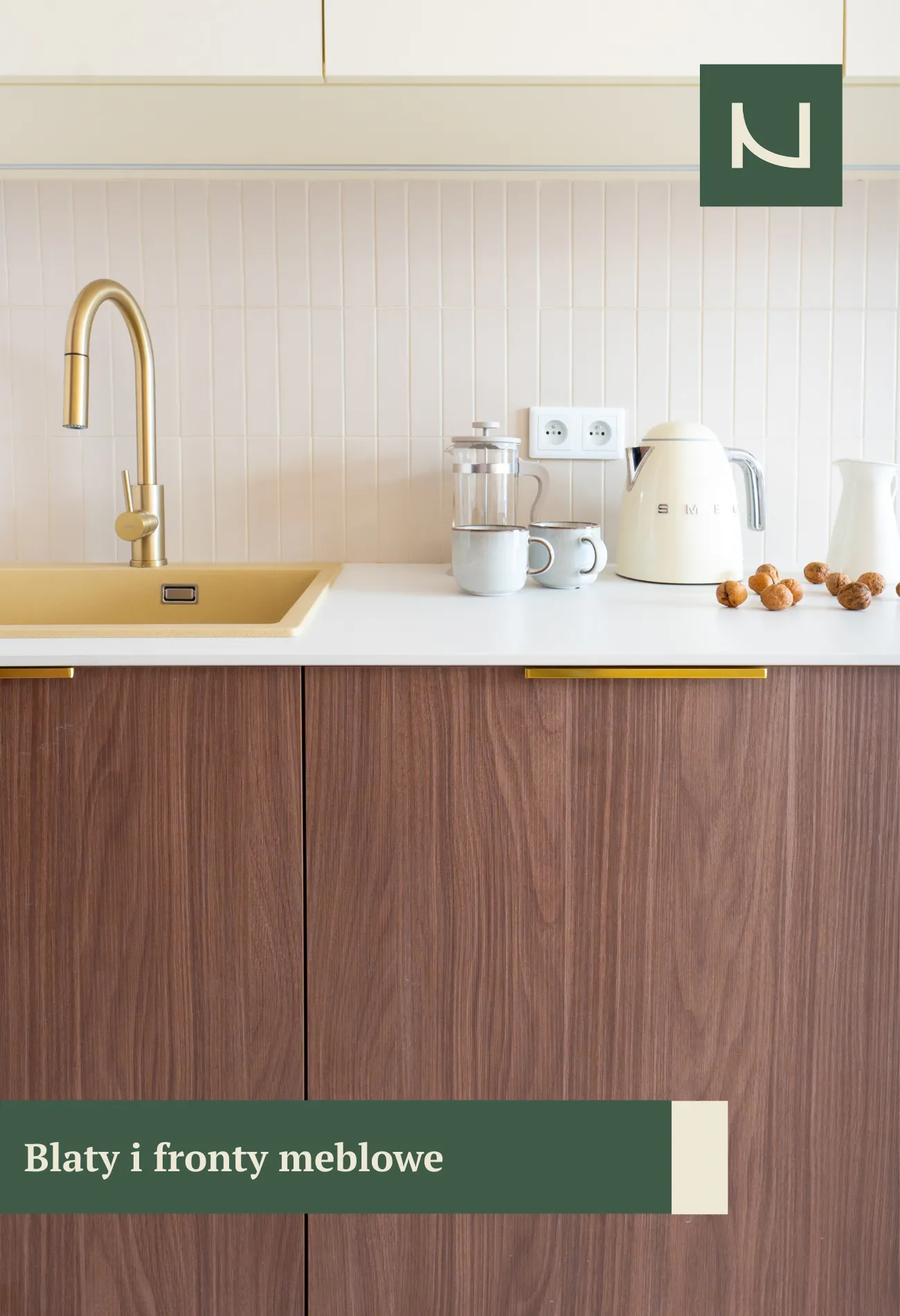
In the kitchen and bathroom, matte, washable surfaces dominate – varnished MDF, acrylic boards, quartz sinters or compact countertops. Avoid shiny fronts (especially in dark colors), which easily attract fingerprints. It’s also worth avoiding milled handles, which tend to collect dirt – simple, smooth push-to-open fronts or those with classic handles are better.
Laminate and composite countertops are not only cheaper than stone, but also more practical for everyday use. They are stain-resistant and easy to clean. You can see how countertops react to difficult stains in our large kitchen countertop test.
Washable and stain-resistant walls
Not everyone needs Class 1 latex paint, but it’s worth investing in washable, scrub-resistant paints, especially in hallways, kitchens, and around tables. Vinyl wallpaper (there’s now a huge selection of wallpapers that are perfect even for bathrooms), furniture board wall panels, half-height tiles, or modern PVC slats are also suitable for areas prone to stains.
Solutions that make everyday cleaning easier
Furniture on legs and built-in appliances
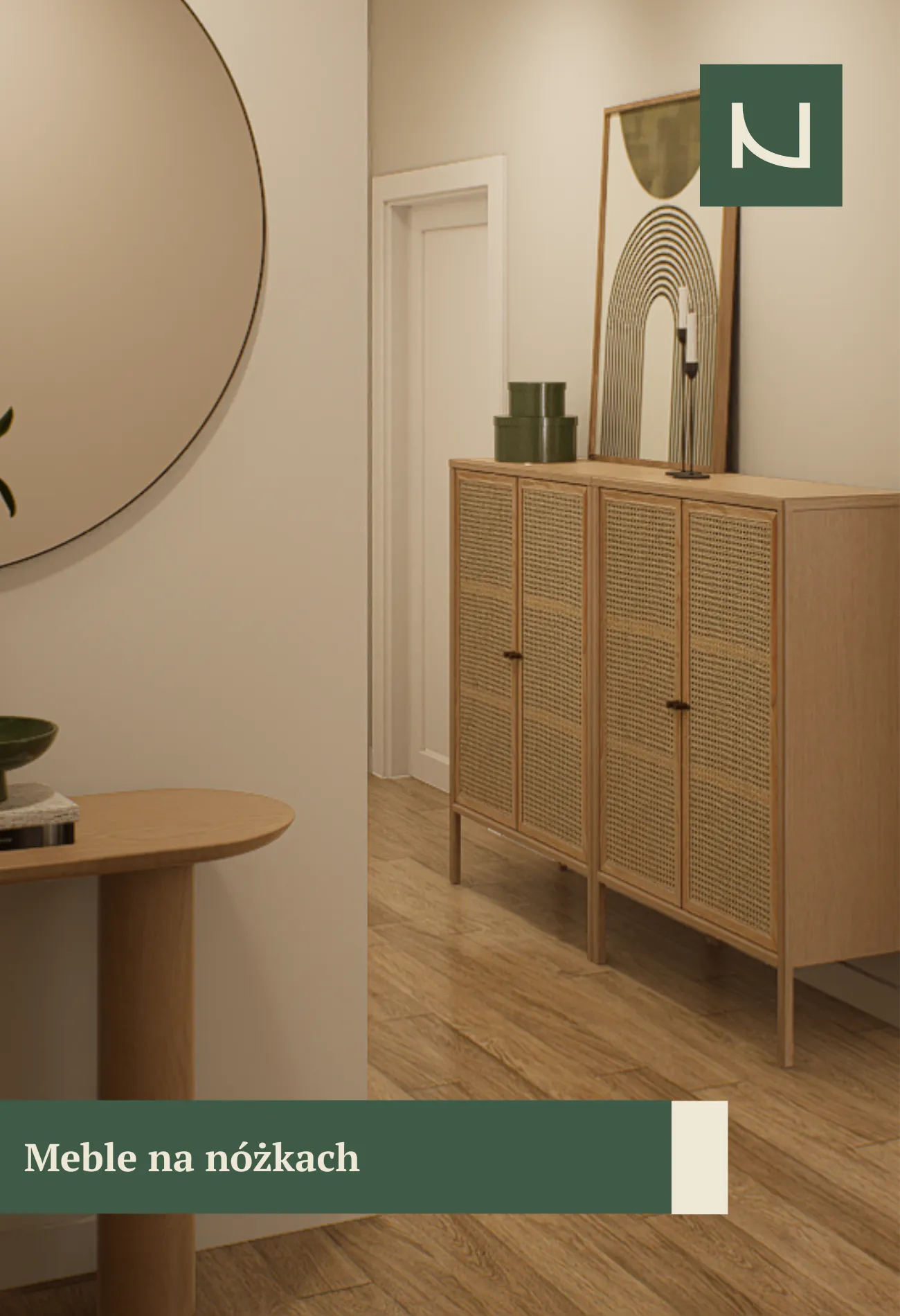
Furniture with a gap not only adds visual lightness but also allows for easier access to the floor. A robot vacuum cleaner can easily fit under a dresser, bed, or bathroom cabinet. If you’re already committed to such a piece, pay attention to the legs; the smaller they are (not running lengthwise across the floor), the easier it will be to keep the space under the furniture. It’s also beneficial for appliances to be built in – fewer gaps mean less dust and grease to wipe. This is especially true for dishwashers, ovens, and refrigerators. Built-in refrigerators often have special heat exhaust vents, which are not only aesthetically pleasing but also prevent dust from getting under the refrigerator.
Easy-access lighting
Pendant lamps that are difficult to clean should be replaced with ceiling or surface-mounted fixtures. Avoid chandeliers with a lot of decorative details – they attract dust like a magnet. Choose simple, closed shapes that only need to be wiped down occasionally with a cloth.
Storage – the more the better
The more closed cabinets and drawers, the less stuff is exposed. This means not only visual order but also less dust to clean. Leave open shelves only where they are decorative and easy to reach. A great idea is built-in display cases, which are not only aesthetically pleasing but also require less cleaning.
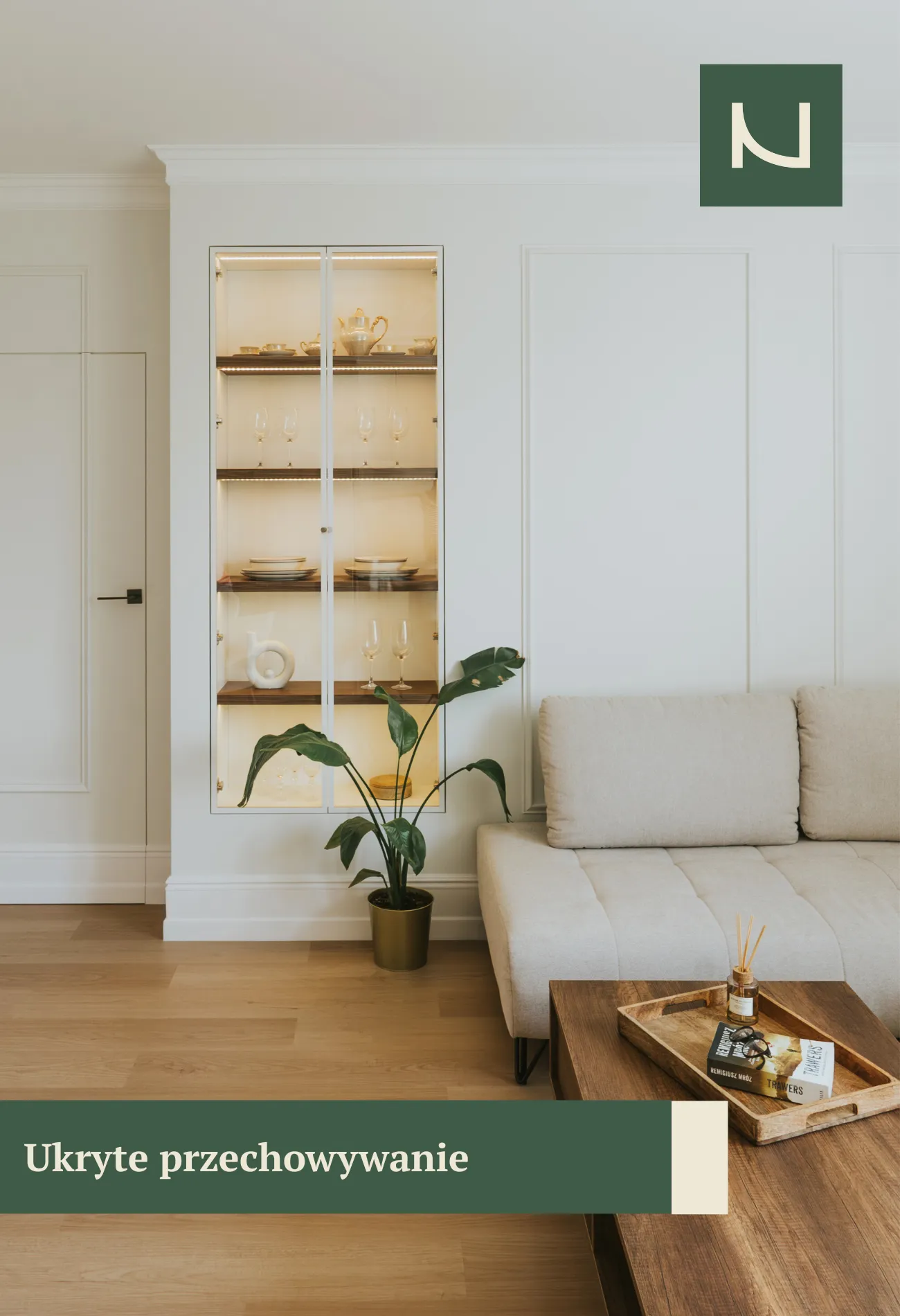
What to avoid if you want an easy-to-clean apartment?
- open shelves instead of closed cabinets,
- curtains and drapes made of thick, difficult-to-wash fabrics,
- shiny fronts, glass and high-gloss black,
- excess decorations and small trinkets,
- intensively pressed ceramics and irregular joints,
- furniture without legs in tight alcoves,
- decorative radiators with difficult access for cleaning.
Summary
Cleaning your home doesn’t have to be a chore, provided you maintain a functional design and practical finishes. Smooth surfaces, built-in ceilings, washable materials, and well-chosen furniture are all elements that truly impact everyday comfort. If you’re furnishing your home or planning a renovation, consider solutions that not only look good but also help maintain order.
Want your apartment to be beautiful, functional, and easy to clean? Contact us – we’ll design an interior that simplifies everyday life and truly works.


