Spotlighting is one of the most important elements of a well-designed interior. Increasingly, there is a move away from a single, central light source toward a thoughtful system of layered lighting, in which spot lighting plays a key role. How to plan it so that it is both functional and aesthetically pleasing?
What is spotlighting?
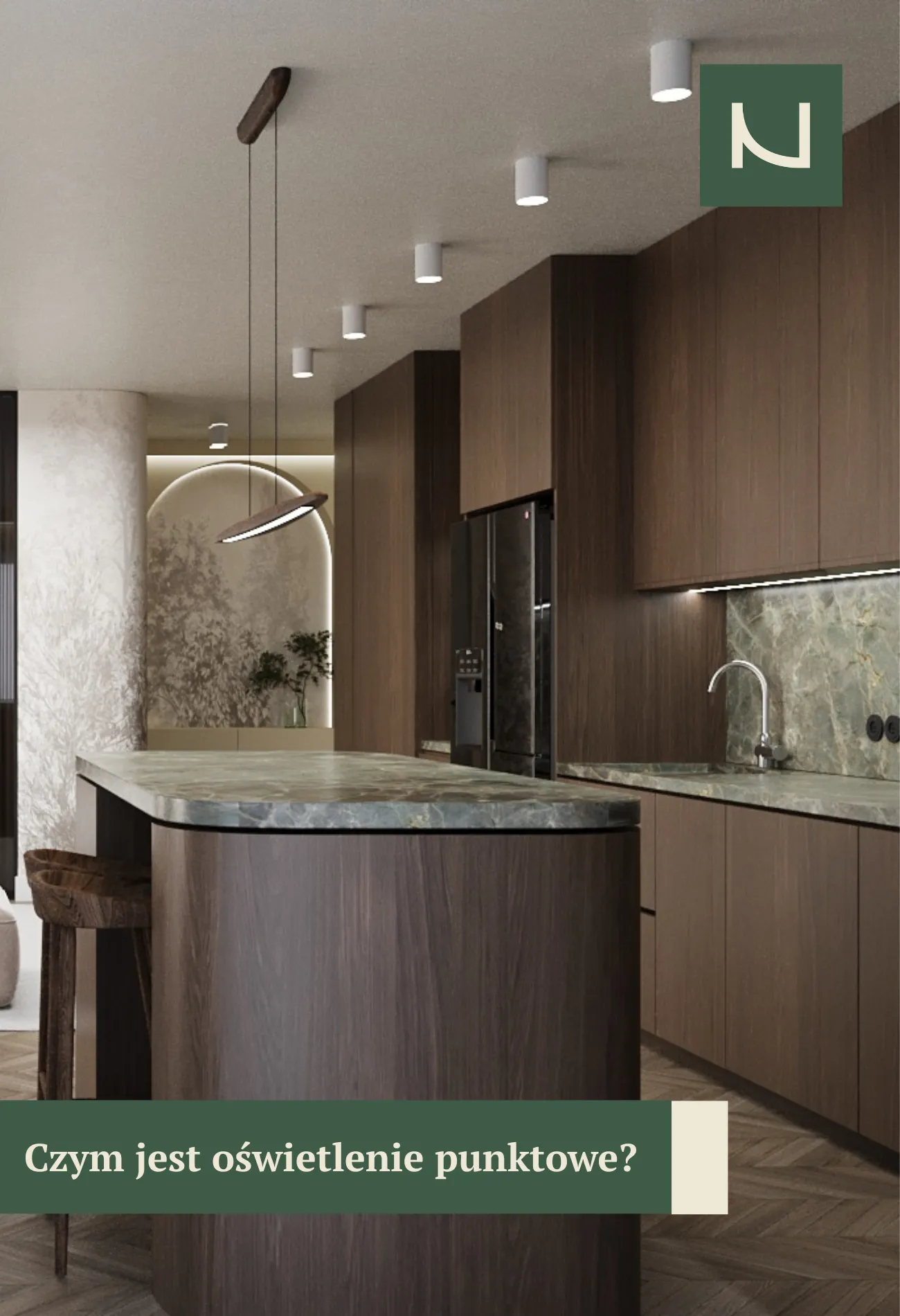
Spot lighting is a type of light that focuses on specific parts of a space – it does not disperse evenly, like a traditional ceiling lamp, but precisely illuminates the selected area. They are most often used to highlight work zones, decorations, niches or architectural elements.
In practice, these can be small spotlights recessed into the ceiling, wall sconces, LED strips under kitchen cabinets, and even rail systems with adjustable light points. Their placement is worth thinking about at the design stage – changing the layout after the renovation work is completed can be costly and cumbersome.
Why use spot lighting?
Well-designed spot lighting not only improves the comfort of everyday life, but also significantly affects the aesthetic perception of the interior. In apartments with a kitchenette or multifunctional open space, it allows for clear separation of zones: work, relaxation, cooking or storage.
In addition, point sources of light introduce a cozy atmosphere – especially in the evening, when instead of one strong source, we prefer to use several delicate points that create a mood.
Spot lighting in various rooms
Kitchen
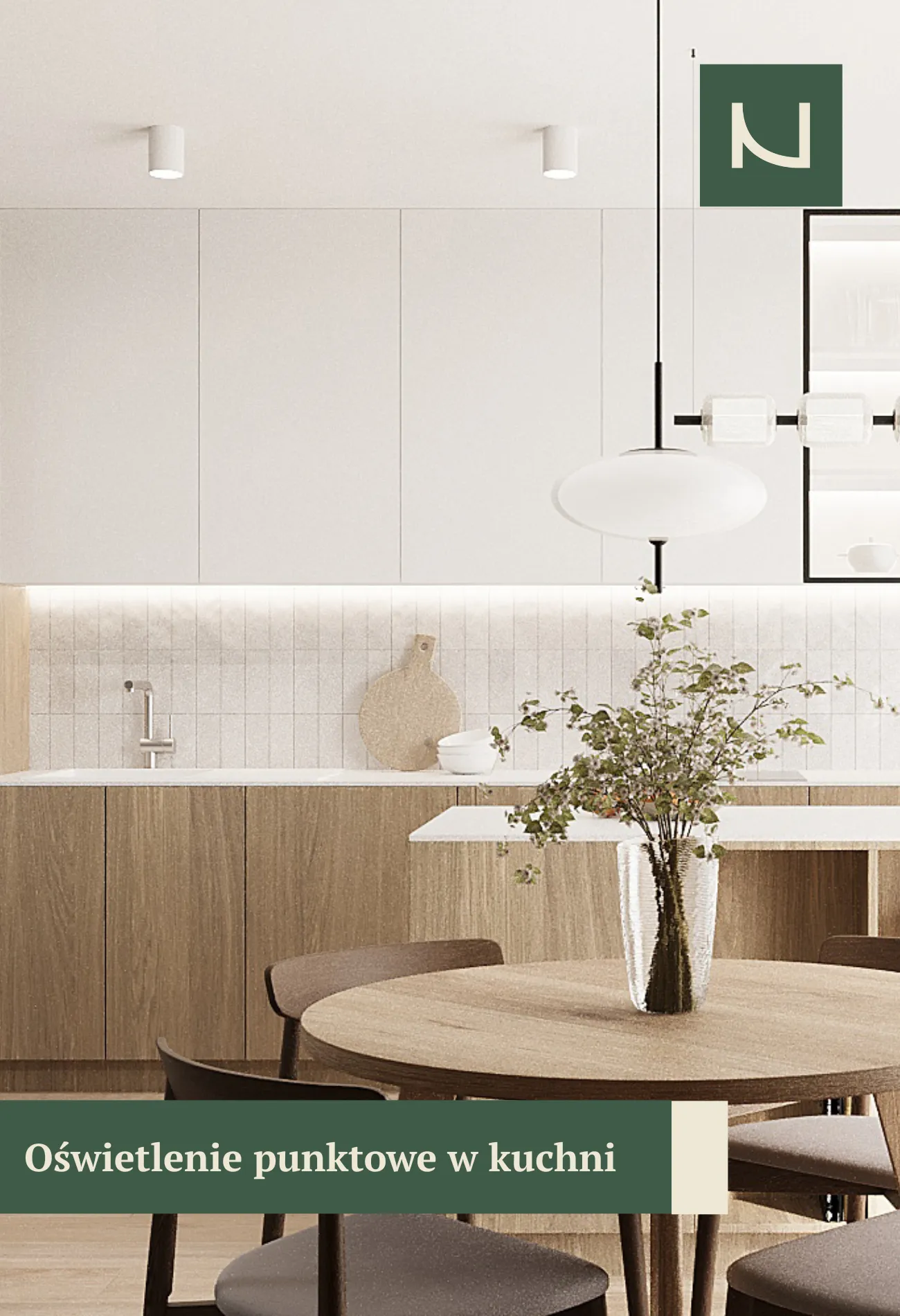
This is a room where spot lighting is even essential. The light should precisely illuminate the worktop – preferably with LEDs mounted under the cabinets. Additional points can be located above the kitchen island, sink or dining area. In the kitchen it is not only aesthetics that matter, but above all safety and functionality.
Salon
In the living room, spot lighting is mainly used to create a mood. You can use it to highlight shelves, a painting, a brick wall or plants. It’s also worth planning a light point where a reading chair or workstation stands. A popular solution here are busbars – flexible and stylish.
Bathroom
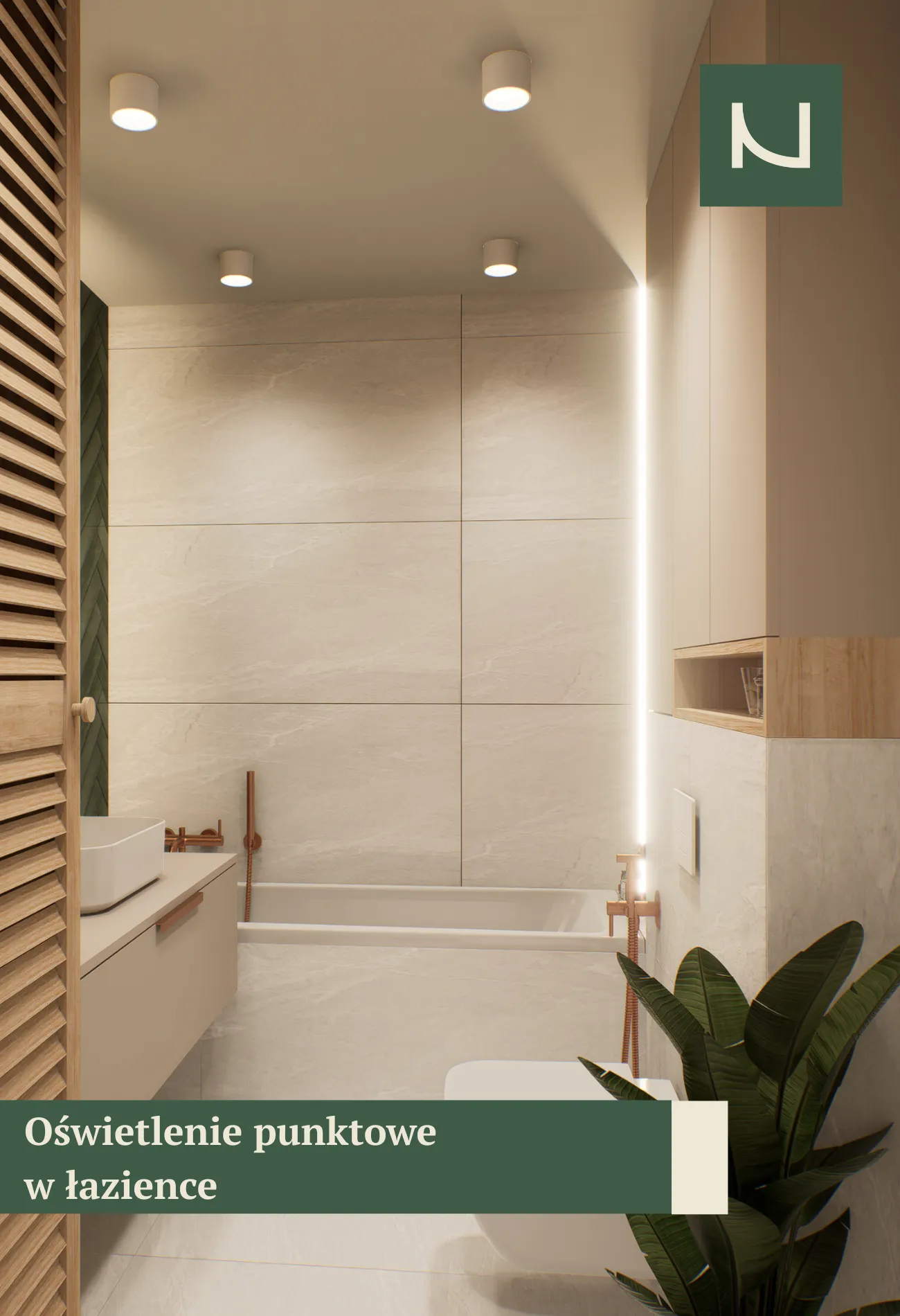
In the bathroom, point sources of light should be strategically placed: near the mirror, above the shower stall or bathtub. It is also crucial to pay attention to the appropriate degree of tightness of the luminaires, determined by the symbol IP (Ingress Protection) – is a parameter that indicates the extent to which a given lamp is protected against the ingress of solids (such as dust) and water. In areas exposed to moisture, luminaires with a rating of at least IP44, and in direct contact with water – IP65 or higher.
Bedroom
Here we focus on moodiness and subtlety. Wall lamps on either side of the bed, spotlights aimed at the closet or delicate points over the dressing table – these are solutions that combine convenience with aesthetics. Light points controlled from the bed, such as from a mobile app, are also increasingly popular.
How to plan the placement of spot lighting?
When planning spot lighting, three aspects are key: function, light direction and light intensity. First of all, you should consider where you need work light, and where you need decorative or relaxation light. Next, it’s a good idea to draw out the layout on a floor plan of the apartment and consult with an electrician or interior designer.
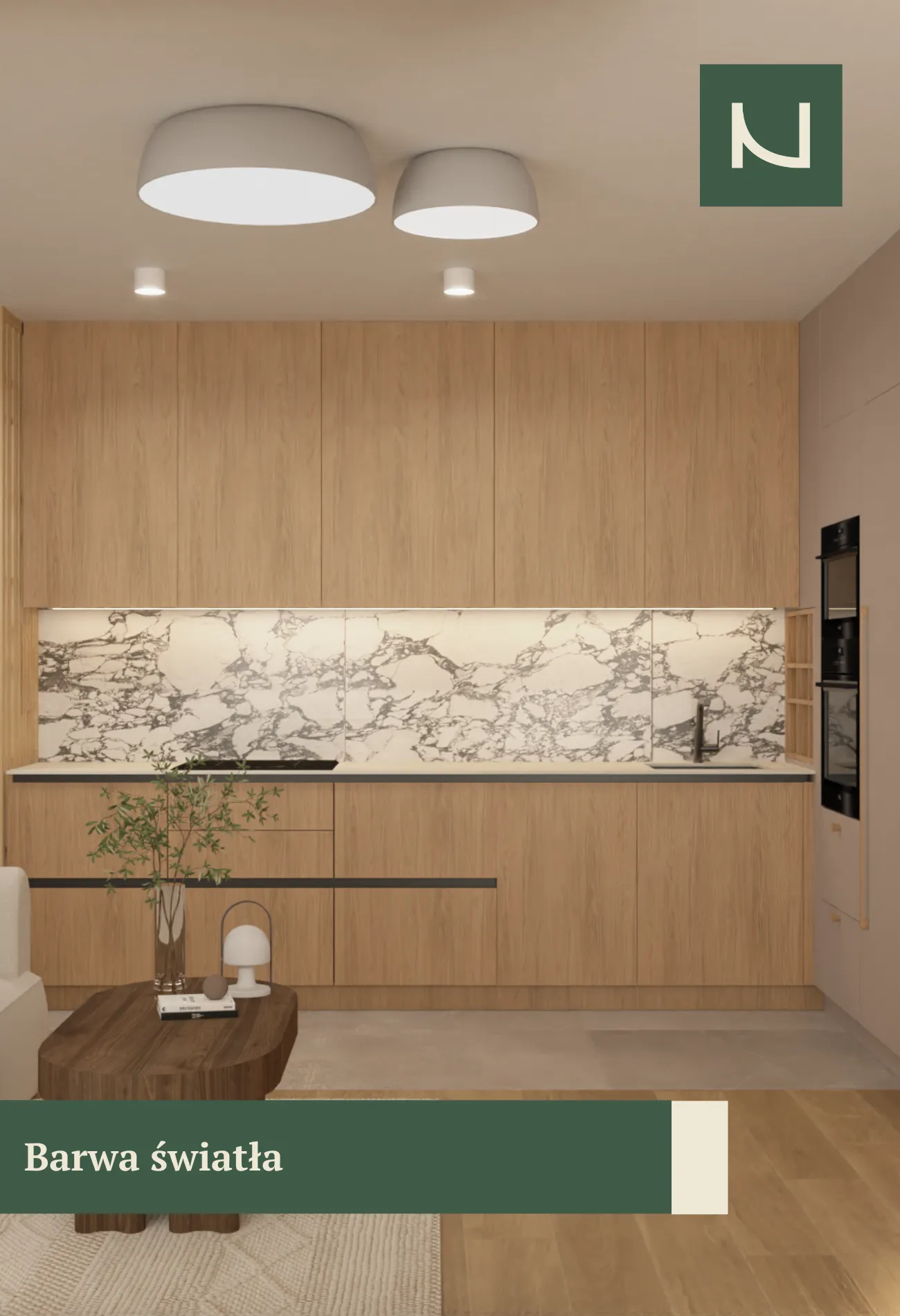
The color of the light is also important – a neutral color (about 4000K) is recommended for work, while warm light (2700-3000K) is better for leisure. The angle of incidence of the light and the possibility of adjustment also have an impact on the comfort of use.
Spotlighting and mistakes to avoid
A common mistake is to use too few light points, resulting in underexposed zones. Equally problematic is sometimes the improper placement of light sources – for example, an overhead light near the bathroom mirror, which casts unsightly shadows. Also, beware of an excess of decorative fixtures – sometimes less is more, and the stylistic consistency of the entire installation affects the perception of the entire interior.

Summary
Spot lighting is not a fad, but a permanent element of a well-designed living space. Properly selected and placed light points can completely change the perception of the interior – increase its functionality, give it character and improve the comfort of everyday life. That’s why it’s worth taking a moment to plan them with your head – preferably already at the design or renovation stage.