


Wall finishing is one of the final stages of renovation work, significantly impacting the overall appearance of the interior. Traditionally, plaster is used to create a perfectly even, smooth surface for painting or wallpapering. However, increasingly, homeowners are wondering whether plaster is even necessary, and what alternatives might work just as well, or perhaps even better.
Gypsum plaster – what is it used for?
A plaster is a thin-layer mass applied over plaster to create even and aesthetically pleasing walls. Its main purpose is to even out minor imperfections, improve paint adhesion, and create a smooth base for subsequent finishing. It gives walls an elegant look, and paint colors appear intense and even. However, its application requires time, experience, and often generates additional costs, so the question arises more and more often: can walls be finished differently?
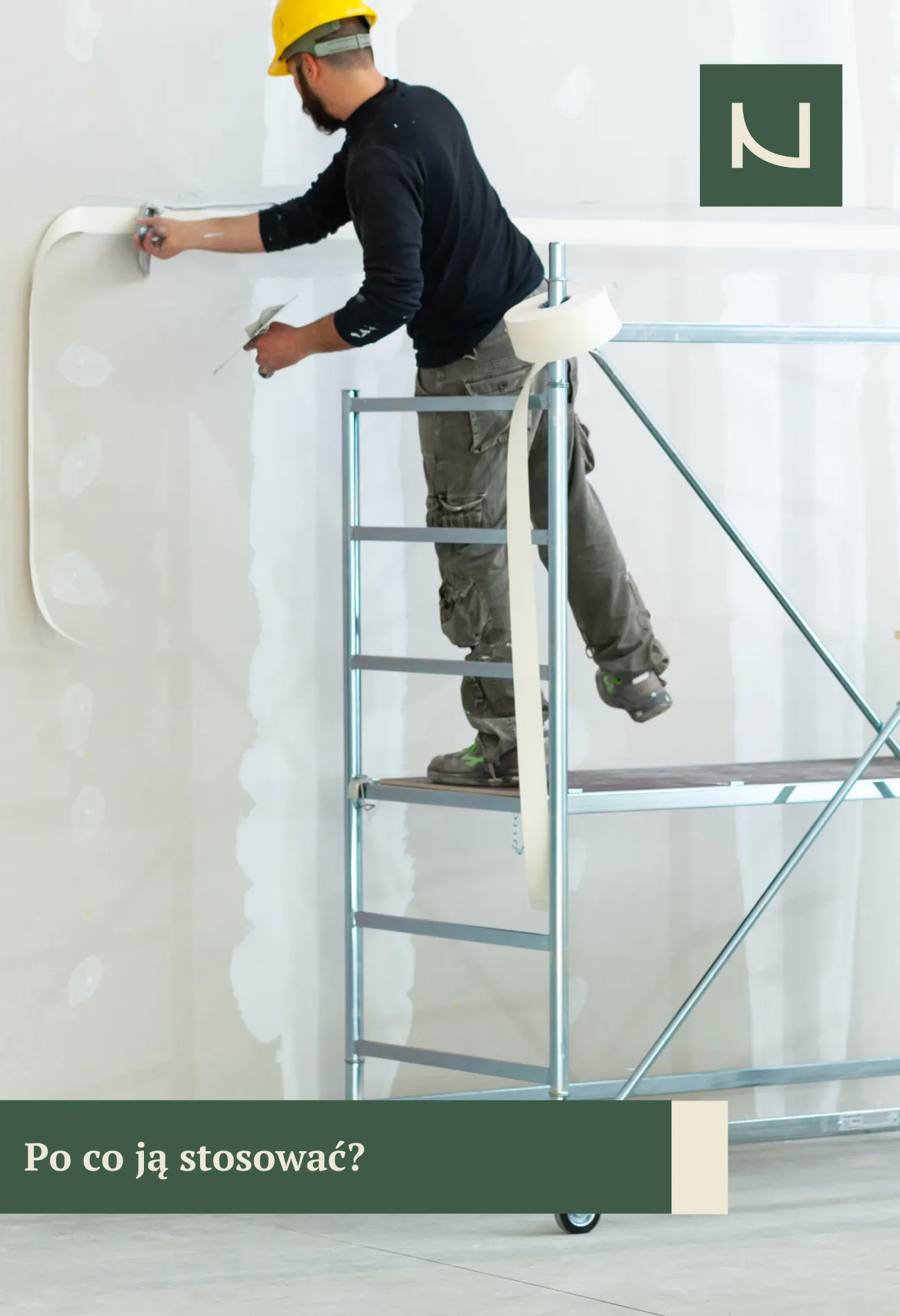
Is plastering the walls necessary?
Not always. Modern finishing technologies offer many alternatives that allow you to achieve an aesthetic effect without using plaster. The decision depends primarily on the type of plaster, the desired visual effect, and your budget. If the walls are even and aesthetically pleasing, plaster is not necessary. It’s also worth remembering that not every interior style requires perfectly smooth surfaces – trends such as loft, rustic, or industrial intentionally emphasize the wall’s texture.
What to use instead of plaster? Practical alternatives
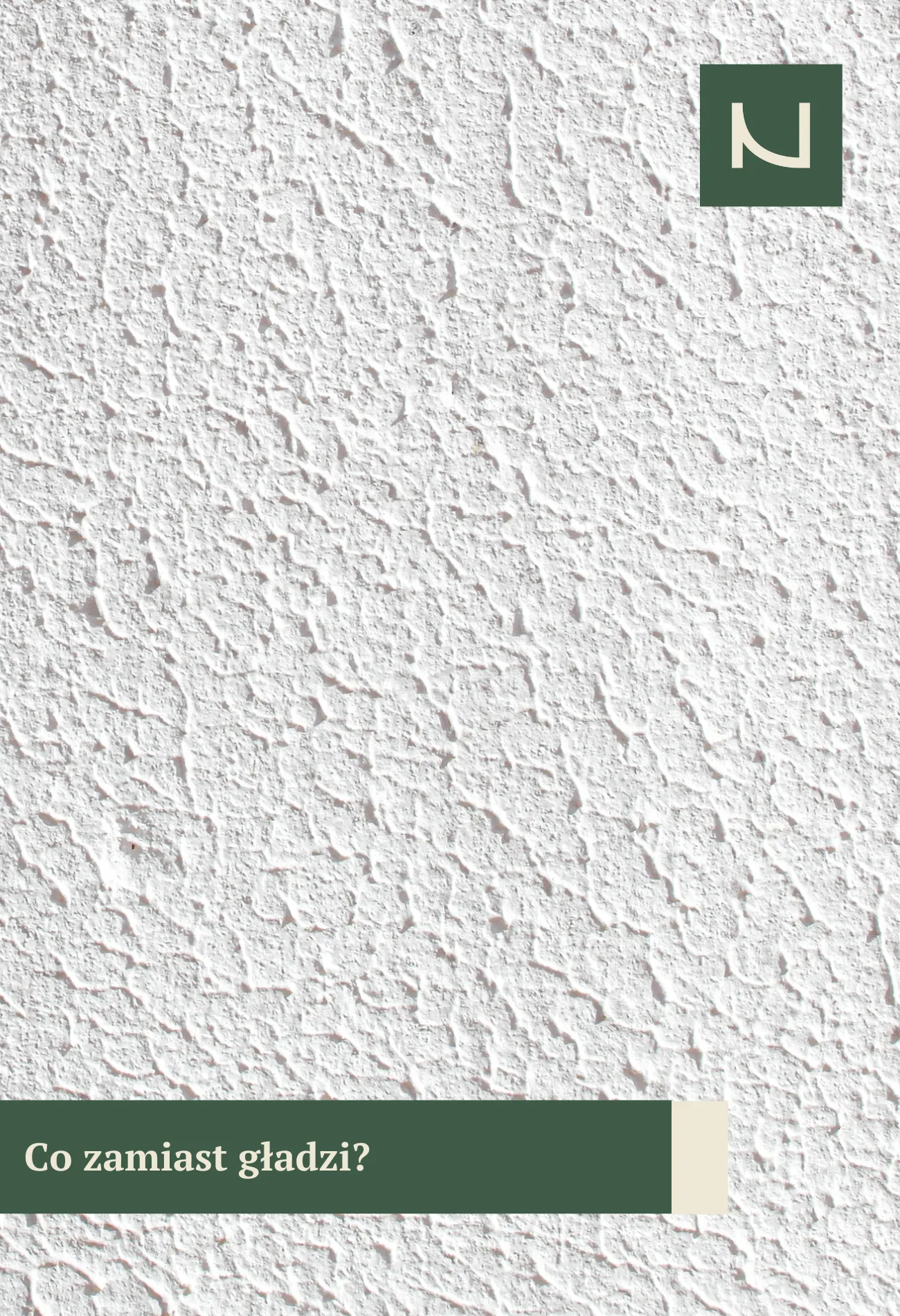
1. Textured plaster
This is one of the most popular alternatives to plaster, ideal for those who want to give their walls a distinctive, decorative character. Textured plaster allows you to create a variety of textures – from subtle abrasions to distinct patterns resembling stone, sand, travertine, or concrete. Thanks to its durability and resistance to damage, textured plaster is perfect not only for living rooms but also for hallways, where walls are particularly susceptible to dirt and abrasion. A major advantage of this solution is the ability to match the color and texture to the interior style—you can achieve a raw, industrial-style wall effect or a subtle, slightly porous surface in a boho style. Textured plaster doesn’t require a smooth finish underneath, and its application is relatively quick, reducing renovation time.
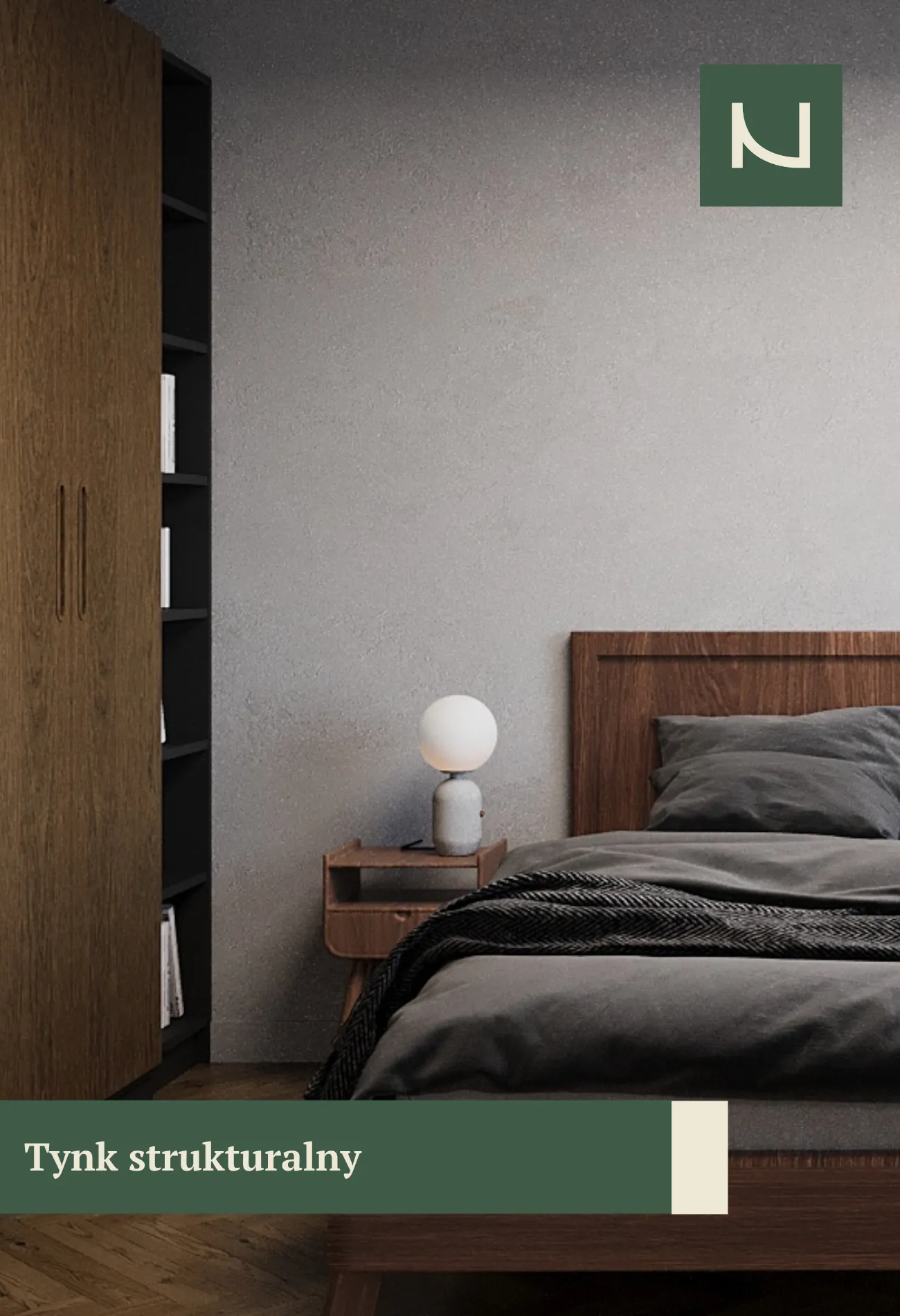
2. Structural paints
Textured paints combine the advantages of traditional painting with the decorative effect of plaster. Thanks to special pigments and mineral particles, they can create walls with a delicate texture and interesting light reflections. Their great advantage is their ease of application – they can be applied with a roller or trowel, without the need to smooth the surface first. They perfectly conceal minor imperfections, and the final effect can be tailored to the interior style: from subtle shading to heavily textured surfaces resembling concrete or lime plaster. Furthermore, textured paints are washable and stain-resistant, making them ideal for high-traffic rooms, such as hallways or kitchens. This is the perfect answer to the question of what to use instead of plaster if you want a quick, effective, and durable solution.
3. Architectural concrete
For lovers of modern, minimalist spaces, architectural concrete is the ideal solution. It can be achieved using prefabricated concrete slabs, thin-layer decorative plasters, or special paints that imitate the texture of concrete. This solution not only eliminates the need for plastering but also becomes a powerful decorative element. Concrete blends perfectly with wood, metal, and glass, making it a popular choice in industrial, loft, and Scandinavian interiors. It is durable, moisture-resistant, and easy to clean. Importantly, concrete finishes can also be used in bathrooms and kitchens – simply seal them with a sealer. This gives the wall not only a striking appearance but also a high degree of functionality.
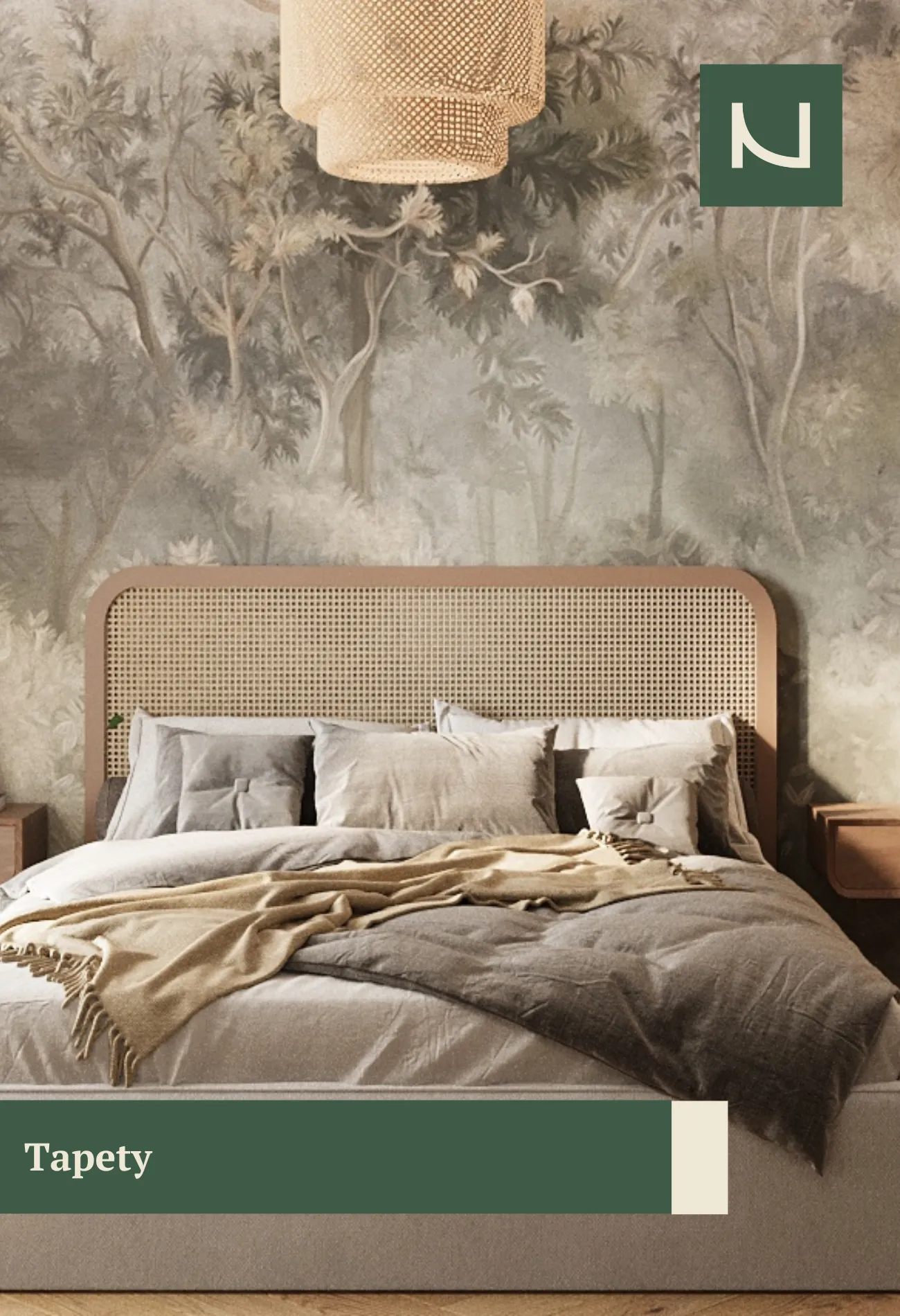
4. Wallpapers and photo wallpapers
Modern wallpapers are making a comeback – and in a completely new guise. Thanks to high-quality materials and modern printing technologies, they no longer require a perfectly smooth surface, making them an excellent alternative to plaster. Vinyl or non-woven wallpapers effectively conceal minor imperfections while adding a unique character to the interior. There are dozens of designs to choose from – from imitations of concrete, fabric, or wood, to artistic graphics and panoramic photo wallpapers. An additional advantage is their ease of installation and removal – they can be quickly changed when the interior becomes boring. Wallpapers work well in both living rooms and bedrooms, and in the vinyl version, also in kitchens and bathrooms.
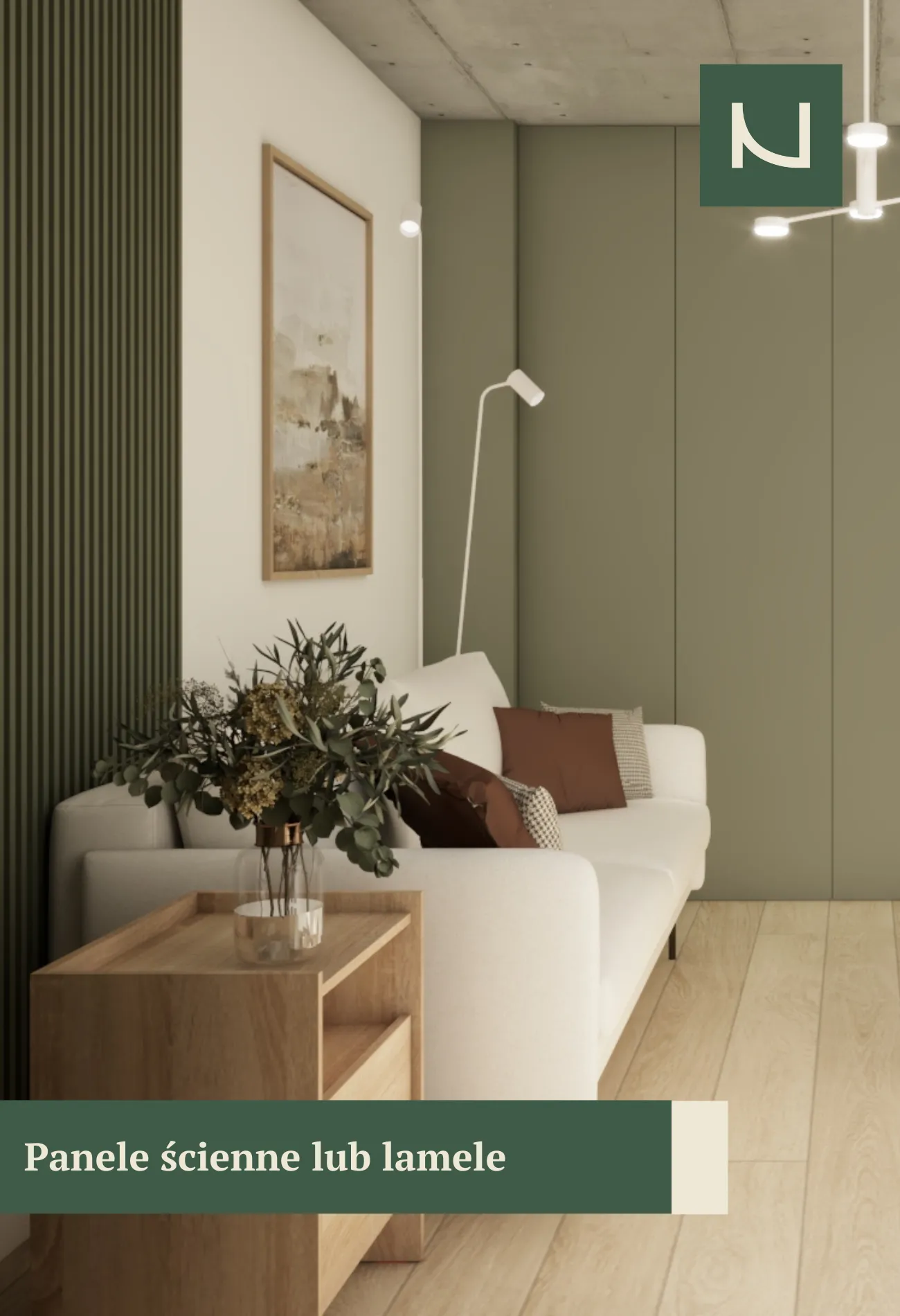
5. Wall panels or lamellas
Wall panels are an increasingly popular way to finish walls without plaster. They are available in many forms – from classic MDF panels to modern 3D panels or wooden slats, which add coziness and depth to interiors. Besides their aesthetic appeal, they also offer practical benefits – they conceal wall imperfections, improve room acoustics, and protect the surface from dirt. They can be installed on an entire wall or just a section, creating a modern accent in a living room, bedroom, or hallway. They come in a variety of colors and textures – from natural wood to minimalist, matte surfaces imitating concrete. This is a great alternative to plaster, especially for people who value unconventional solutions and want to quickly refresh the interior without a major renovation.
When is it worth giving up plaster?
Giving up plaster makes sense if:
- the walls are in good technical condition and do not require major repairs,
- you want a quick and less expensive renovation,
- you want to achieve a decorative effect with a clear structure,
- you are decorating the interior in a loft, rustic or modern industrial style.
It’s worth remembering, however, that the lack of a smooth finish may limit the choice of some paints or wallpapers, which require a perfectly even surface. Therefore, it’s best to tailor your decision to the specific effect you want to achieve.
What to use instead of plaster when renovating an apartment?
If you’re planning a renovation and wondering what works best in your home instead of plaster, consider not only appearance but also functionality. In rooms exposed to moisture (e.g., kitchens or bathrooms), cement-lime plaster or decorative wall tiles are a good choice. Vinyl wallpaper or wall panels are perfect for living rooms or bedrooms, adding warmth and character to the space. It’s also worth remembering that some solutions, such as architectural concrete or textured plaster, can be combined to create striking, varied finishes without the need for plaster.
Summary
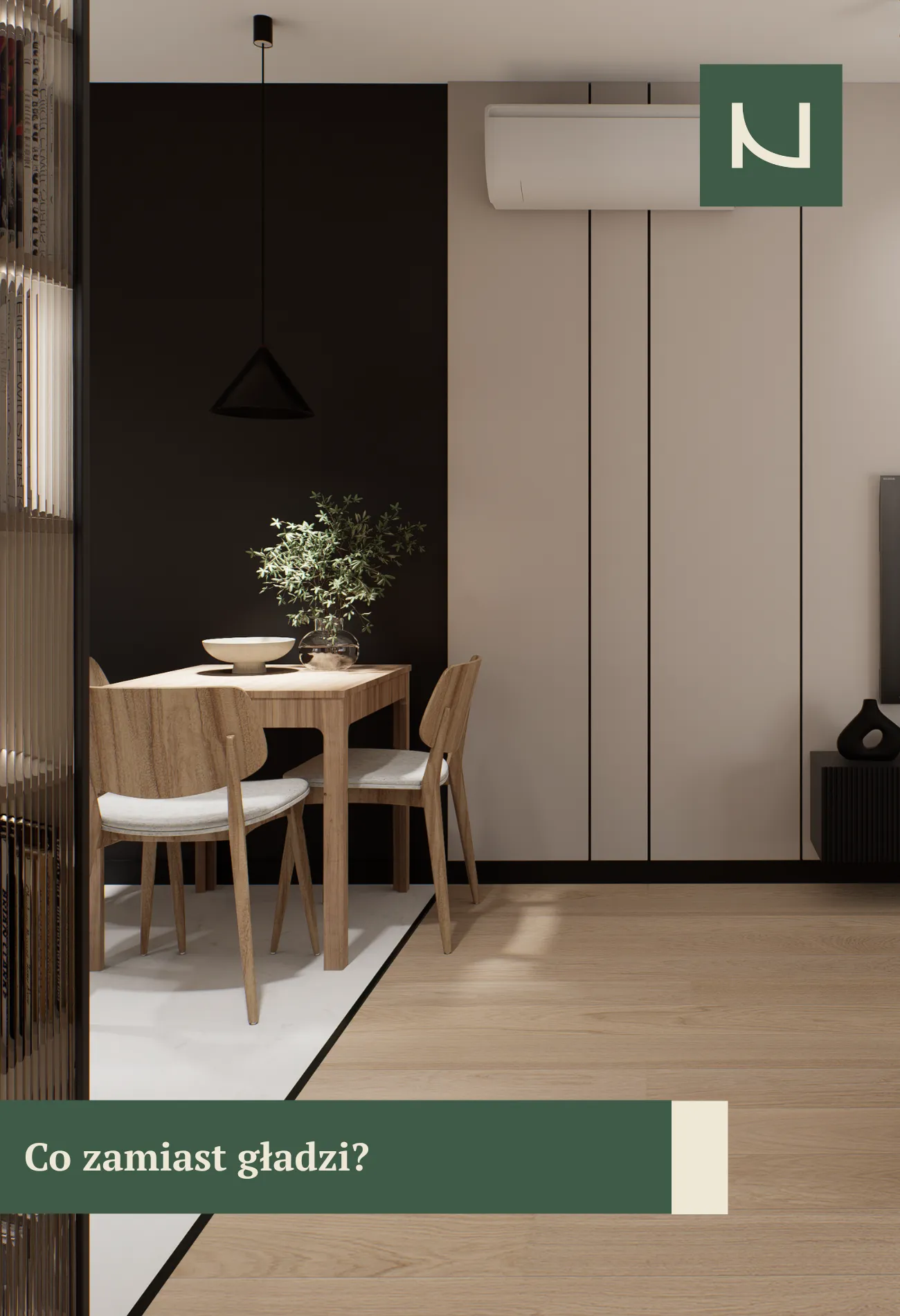
Gypsum plaster is a proven, but not the only, solution for wall finishing. Depending on your interior style, budget, and expectations, you can choose other materials, from textured plasters and decorative paints to wall panels and wallpaper. So before you reach for traditional plaster, consider what works best in your interior instead of plaster. Perhaps an alternative will prove faster, cheaper, and more visually appealing.
FAQ
Is plastering walls always necessary?
No, plastering is not required. If the walls are even and the desired effect calls for a visible texture or decorative finish, it can be omitted. In many interior styles, such as loft, industrial, or rustic, wall texture is actually desirable.
What works best instead of plaster?
Popular alternatives include textured plaster, textured paint, architectural concrete, vinyl wallpaper, and wall panels or lamellas. These solutions not only conceal minor imperfections but often also serve a decorative purpose and are more resistant to damage.
When is it worth giving up plastering during renovation?
Skipping plaster makes sense if you’re looking for a faster and more affordable renovation, your walls are in good condition, or you want to achieve a distinct texture and decorative effect. It’s also a good solution in heavily used rooms where durability and ease of maintenance are more important than perfect smoothness.


