


The japandi style in interiors is one of the most interesting combinations to emerge in the design world in recent years. It combines Japanese minimalism and Scandinavian functionality to create spaces that are at once elegant, calm and cozy. In this article, we’ll introduce you to the genesis of this style, its characteristic features, and give you tips on how to incorporate japandi style into your own interior.
History of japandi style
The japandi style emerged from a natural dialogue between two cultures: Japanese and Scandinavian. Although they are separated by geographic distance, they share a surprisingly similar approach to life – a love of simplicity, closeness to nature and respect for craftsmanship and detail. The Japanese wabi-sabi aesthetic, which values imperfection, naturalness and transience, blends perfectly with the Scandinavian idea of “hygge” – creating a comfortable, cozy environment in which to relax and find balance.
The japandi style was born as a response to the need to create interiors that not only look good, but, above all, feel good to live in. In an age of excess and overstimulation, japandi offers a space full of calm and balance – ideal for regeneration.
Key features of japandi style
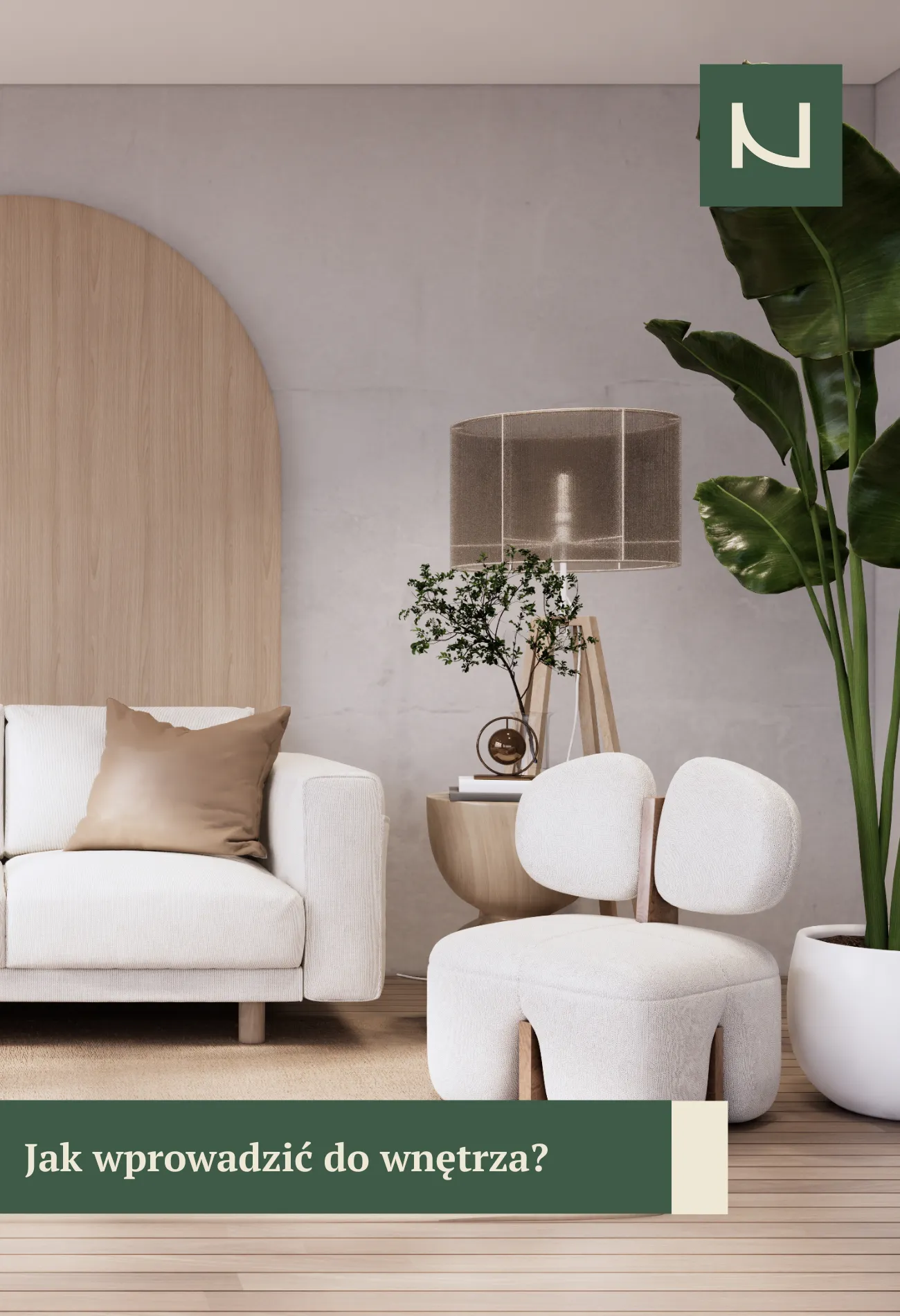
The japanese style is distinguished by an economical, but not austere aesthetic. It is dominated by simplicity of forms and neutral, subdued colors – beiges, grays, delicate browns, broken by black or deep green. An important role is played by light, which not only emphasizes the forms, but also builds an atmosphere of calm. Materials used in japandi arrangements are primarily wood – light and dark, often with visible texture, natural fabrics such as linen, cotton or wool, and ceramics with an austere finish. Craftsmanship and quality of workmanship are more important here than the quantity of objects. Every element of the interior has its place and meaning, and excess is eliminated. This is a style in which less is more – but this “less” is carefully considered. See an example of such workmanship in our implementation!
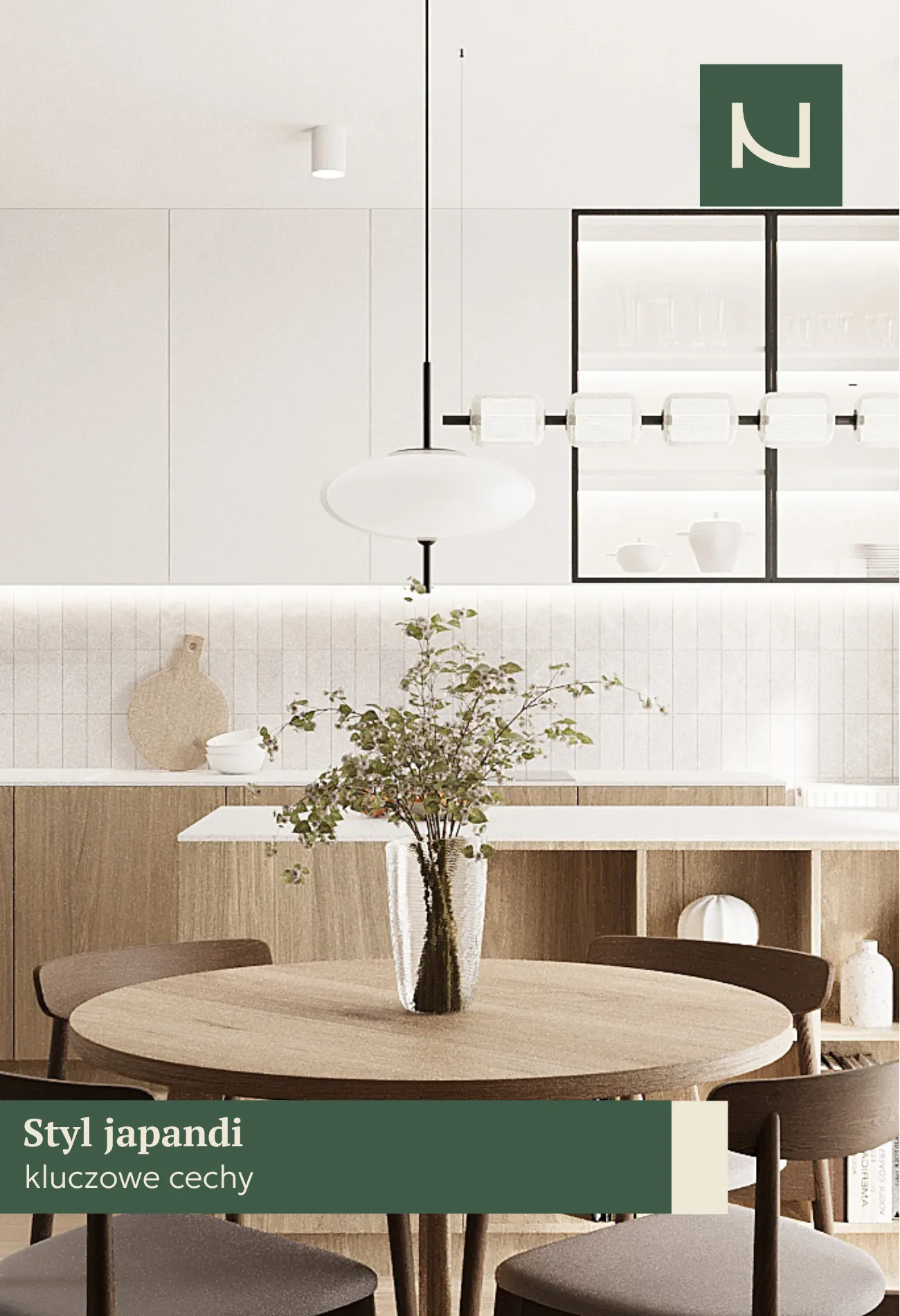
Japandi style – furniture and furnishings
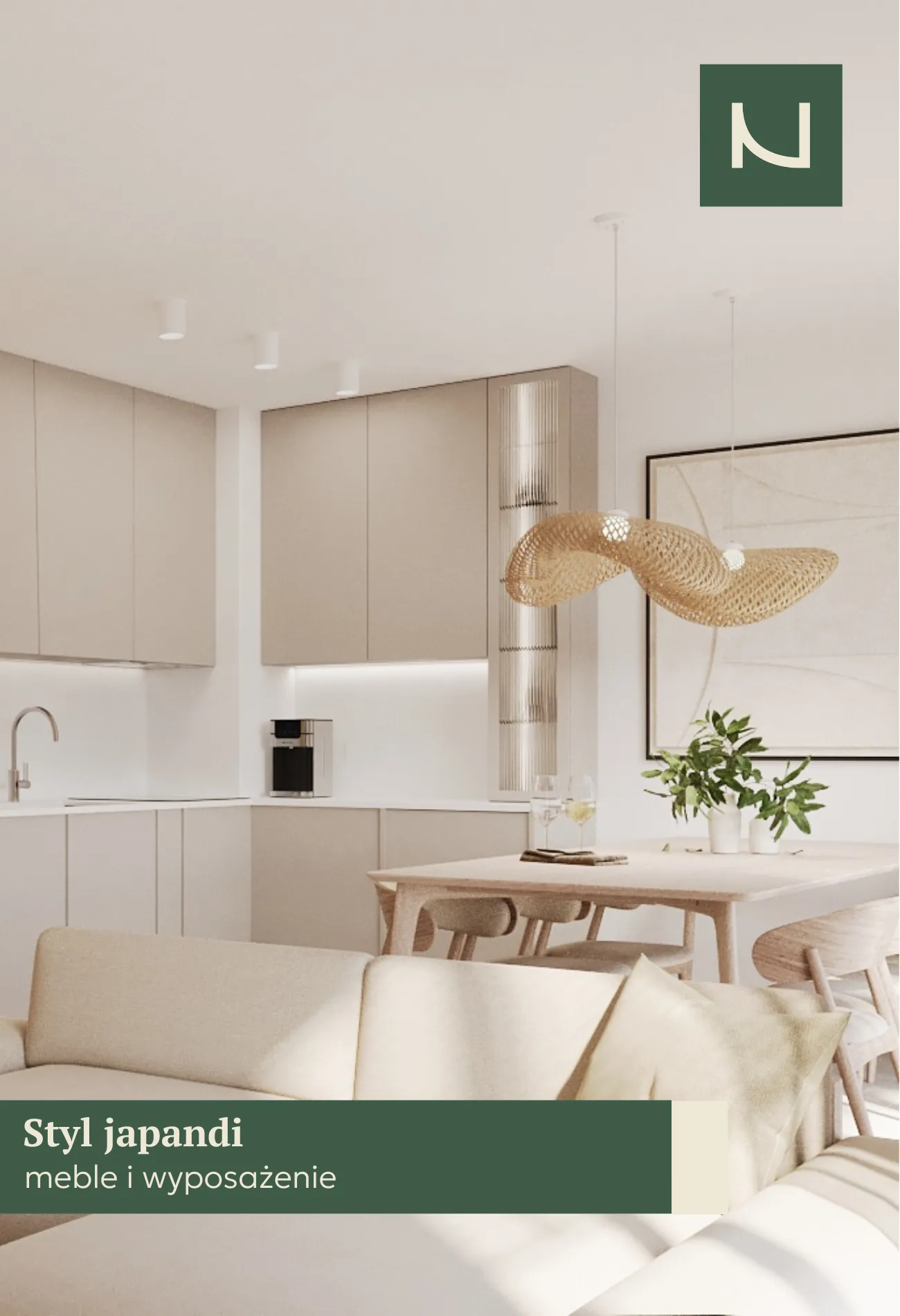
Japanese-style interiors feature furniture with a simple but refined form. Instead of massive furniture sets, you will find lightweight constructions made of natural wood, often with a matte finish. You can see the clear influence of Japanese aesthetics, where functionality goes hand in hand with beauty of proportion, and every detail matters.
The interior decorated in the japanese style is not overloaded – only those items are chosen that are really necessary and serve the purpose of daily life. Low dressers, simple tables, comfortable armchairs and sofas with light lines often appear. Textiles – plaids, pillows or curtains – are subtle, pleasant to the touch and usually uniform in color.
Lighting
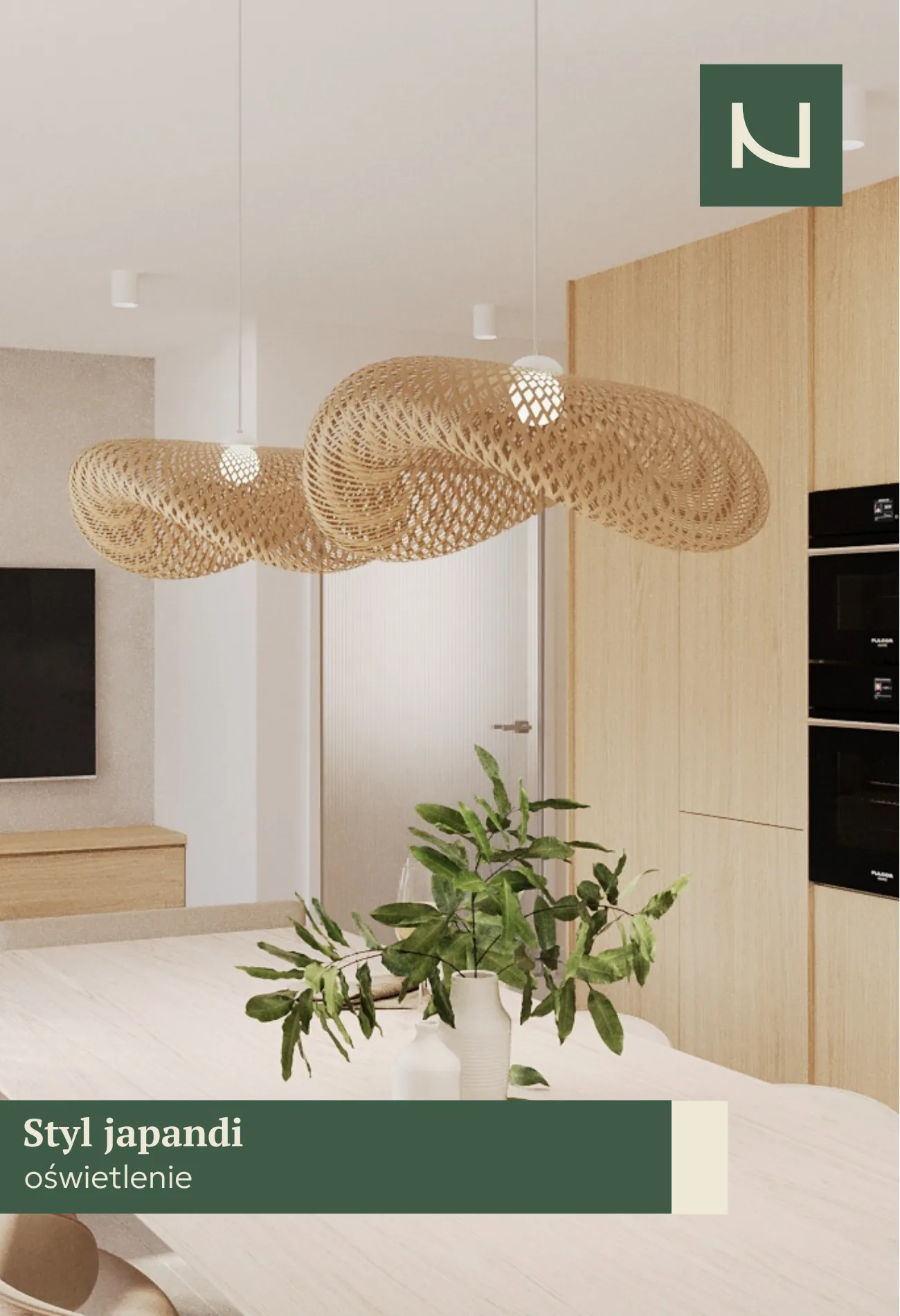
Japandi style lighting is a combination of functionality and ambience. Lamps usually have a simple, geometric form and are made of natural materials – wood, rice paper, ceramics or glass. Characteristic is the use of diffused light, which builds a cozy atmosphere and promotes tranquility. Daylight is also important in japanese arrangements – large windows without unnecessary decorations or with light curtains allow to open the space as much as possible to natural light, which “enlivens” the interior during the day.
Patterns and decorations
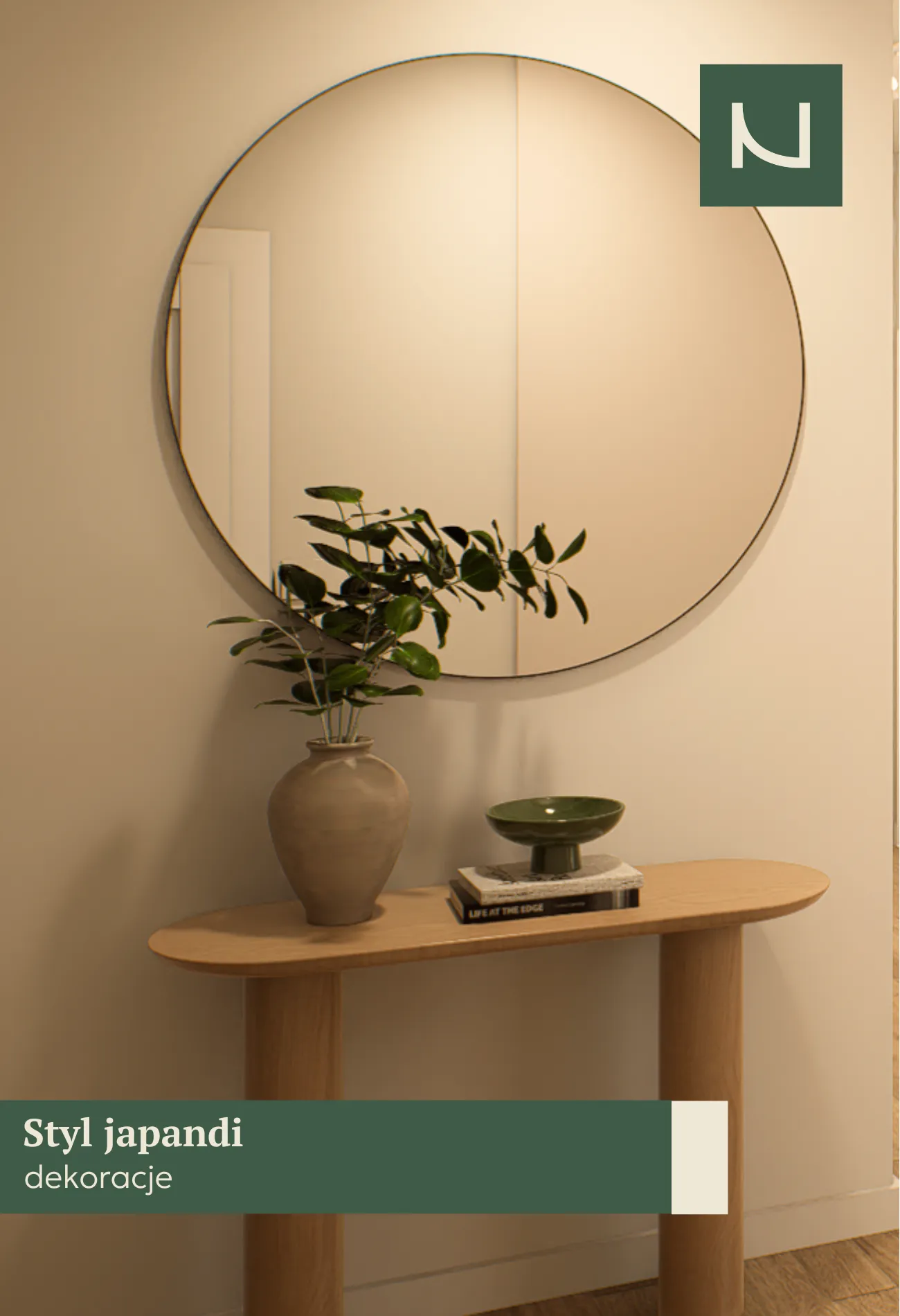
The japandi style avoids excessive patterns and decorations. It is dominated by smooth surfaces, possibly delicate textures and subtle material structures. If patterns appear, they are simple lines, geometric forms or motifs inspired by nature – leaves, branches, waves.
The decoration in the japanese style is utilitarian in nature – ceramics, bowls, jugs, handmade vases – all have their function, but also have an aesthetic role. The interior is not empty, but each object is there for a specific reason. It’s an approach close to Zen philosophy and Nordic practicality at the same time.
How to bring japanese style into your interior?
To bring the japanese style into your interior, start by organizing the space – remove unnecessary decorations and furniture, leaving only those items you really need. Opt for a muted color palette – beiges, whites, browns and grays will create the perfect background for wooden accents and natural textiles.
Invest in good quality furniture made of natural materials. Avoid lacquered surfaces – instead, choose matte finishes that will emphasize the raw elegance of the style. In decorations, bet on handicrafts and ceramics – let a vase or bowl be not only pretty, but also functional.
Remember also about lighting – choose lamps with pleasant, warm light, and leave windows open to daylight. Take care of the balance – a japanese style space should be thoughtful, calm and comfortable.
Advantages and challenges of japandi style
Advantages
The japanese style in interiors is all about tranquility, harmony and functionality. It is perfect for small apartments, as it allows optimal use of space. It combines modern aesthetics with timeless simplicity, so that interiors decorated in this style do not visually age. Japandi also promotes better well-being – a clean, orderly space has a positive effect on concentration, mood and relaxation.
Challenges
One of the challenges of arranging a japanese-style interior can be finding the right balance between minimalism and coziness. An interior that is too thrifty can seem cool and empty. You also need to pay attention to the quality of materials and workmanship – cheap imitations of natural materials can disrupt the consistency of the style. Thus, thoughtful planning and consistency in the selection of elements is key.
Summary – japanese style in the interior
The japanese style in interiors is a choice for those who value simplicity, naturalness and aesthetics in the spirit of “less is more.” It’s a style that soothes the senses and promotes tranquility, while offering a functional and beautiful living space. Combining the Japanese philosophy of wabi-sabi with Nordic hygge, japandi gives us an interior in which we simply feel good.
If you want to create a japanese-style interior that reflects your lifestyle and needs, contact our design team. We offer complete turnkey interior design and finishing services. See how we can help you furnish a home that will become your oasis of peace and harmony. Or maybe you are curious about our japanese style implementation? Take a look at the video!


