


What is the functional layout of the interior?
The functional layout of the interior is careful planning of the arrangement of rooms, furniture, utility zones of a house or apartment. Its primary task is Ensuring convenience and efficient use of space, to best adapt the interior to the needs and lifestyles of the residents. Thoughtful layout of the interior makes daily life easier and the interior more organized and comfortable.
Optimal functional layout is especially important when building a house from scratch – then you can design the space “from scratch” according to your own preferences. However, if you are furnishing a ready-made apartment, you still have the opportunity to make many changes and customize it thanks to the cooperation with an experienced interior designer. Let’s go through the most common questions that help you understand how to plan functional interiors and what elements to consider.
What are the best ways to maximize space in smaller rooms?
In small rooms, it is particularly important to optimally manage every inch of space so that the interior is both comfortable, practical and aesthetically pleasing.
One of the most effective solutions is demolish unnecessary partition walls. By removing walls that are not load-bearing, you can create a more open space, Combining, for example, the kitchen with the living room, which allows you to gain additional meters and create a feeling of spaciousness. Alternatively, instead of demolishing walls, you can use sliding doors, which allow flexible separation of space, while maintaining the ability to enlarge it when the door is open. If the space is too small to be separated by traditional partition walls with doors, To separate zones we can use lamellar walls, which will not make the interior optically smaller.
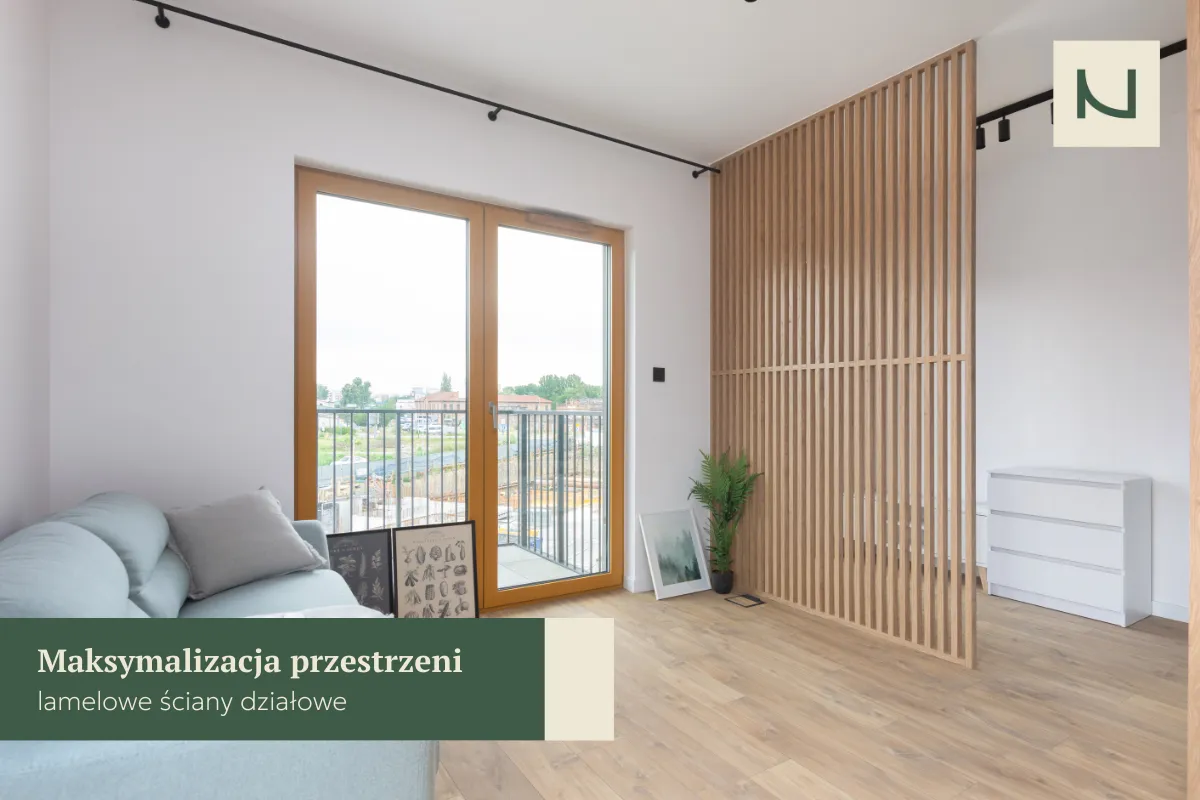
Another suggestion is multifunctional furniture – is a solution that is perfect for small apartments. Examples include a sofa with a bedding container, beds with storage drawers, folding coffee tables or bookcases that act as a partition wall. Thanks to multifunctional furniture, we not only save space, but also introduce elements into the interior that can fulfill several roles, adapting them to current needs.
One should also not forget about The use of vertical space. Tall cabinets, wall shelves and hangers Mounted at different heights, they allow you to effectively utilize walls while saving floor space. Hidden storage spaces – such as spaces under the stairs or built-in closets – are other effective solutions that help hide many items.
How to plan an effective functional layout for storage rooms?
In the case of a pantry or dressing room, it is worth thinking about the the layout of shelves, compartments and drawers. Vertical organization, which means using the entire available height of the walls, makes it possible to store a variety of foods or clothes in the right order. The golden rule is Allocating the space available within easy reach for things we use on a daily basis, and shelves high for those we use occasionally. Shelves of different heights can be helpful, which allow you to conveniently place products of different sizes, and compartments and containers will further organize the interior of the pantry or dressing room.
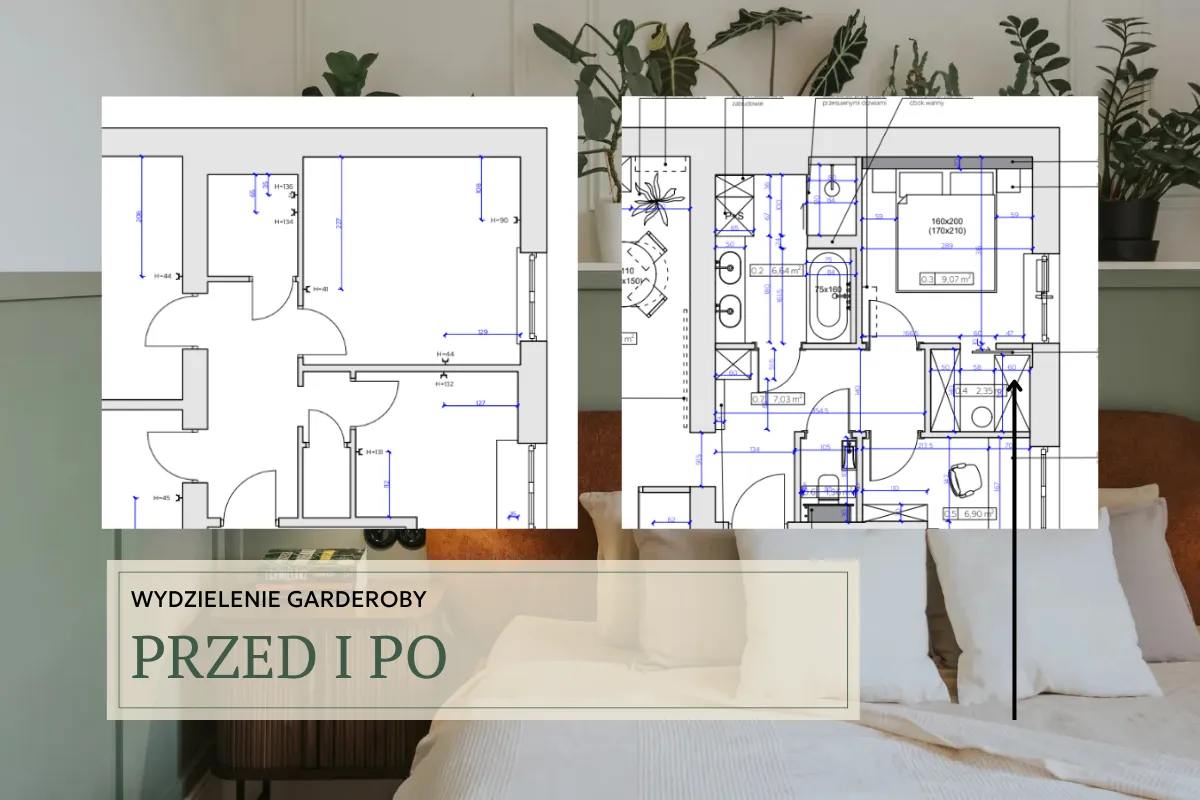
It will also be a good idea to setting up a dressing room. This is possible even in a medium-sized apartment, as we did with one of our 72m2 projects. See below! ↓ A closet allows you to get more functionality and storage comfort than a traditional closet. Clever furniture systems will work well in the dressing room, which allow you to make the most of the usually small space. Such a system would be, for example, a pull-out ironing board or a closet with rods for pants to save space. Take a look here to find more closet tips.
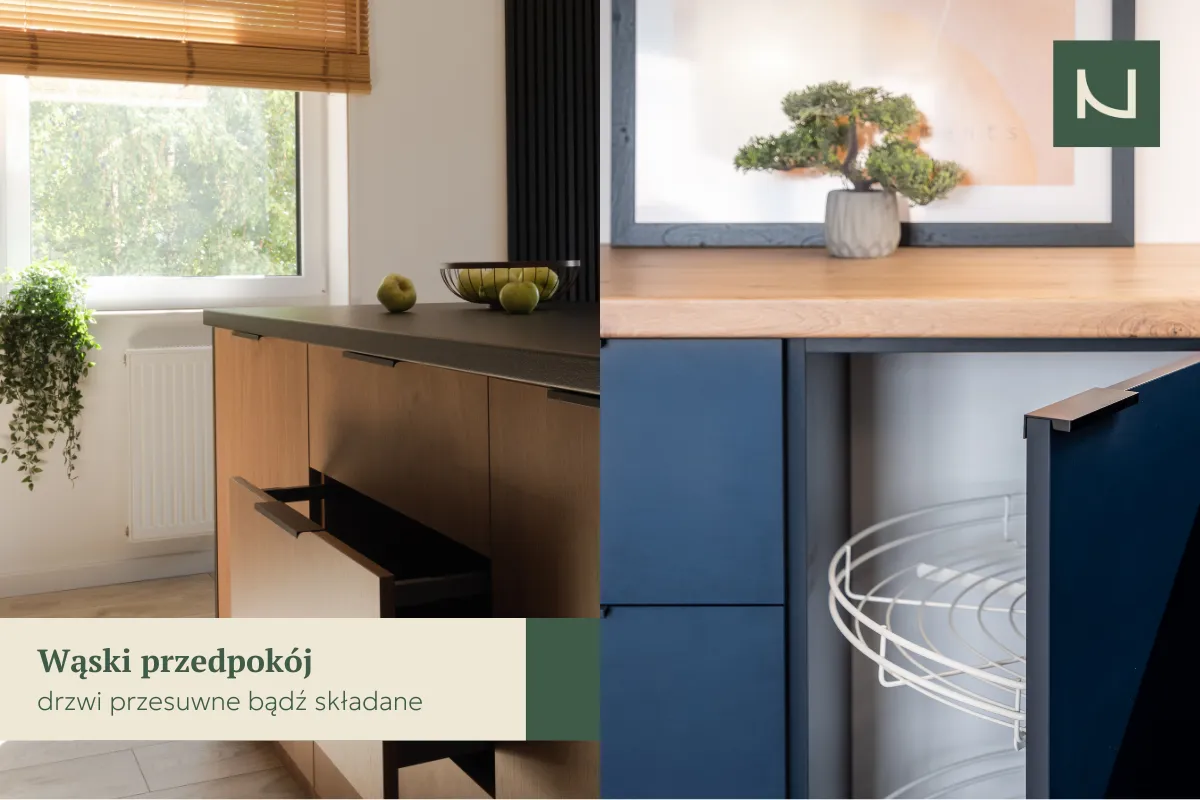
In the kitchen, just as in the pantry or closet, let’s follow the golden rule – what we use often should be at hand. In everyday use, kitchen cargo systems will further help us. This is one investment that is well worth the money, especially if the kitchen is the place where we spend the most time. Convenient cabinets for dishes or pots are a definite game-changer – anyone who has at least once rummaged a heavy pot from the bottom of a distant cabinet will appreciate this type of kitchen convenience.
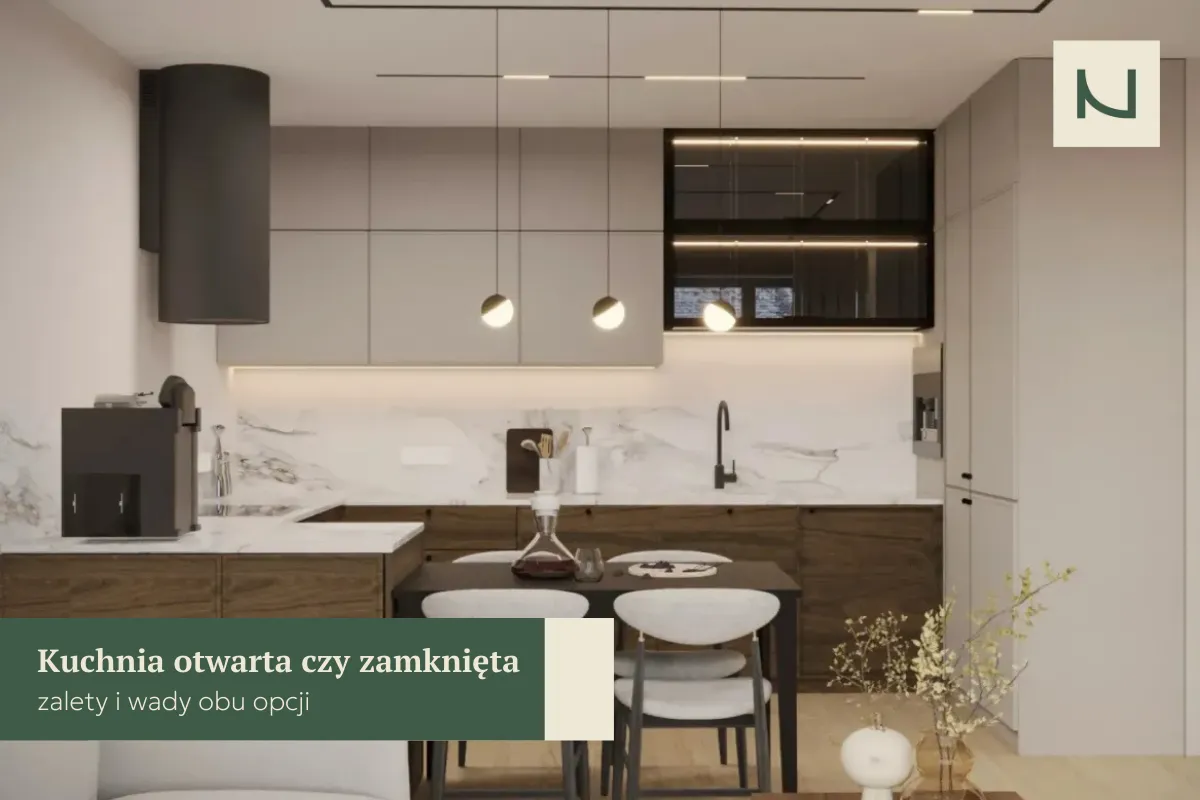
Open or closed kitchen – which solution is better?
Choosing between an open or closed kitchen is one of the most important decisions when planning the functional layout of the interior, as it affects both aesthetics and daily functioning in the home. Both open and closed kitchens have their advantages and disadvantages, so you should consider which solution will better suit the lifestyle of the residents.
Open kitchen is the ideal solution for people who value contact with household members and guests While preparing meals. By connecting the kitchen with the living room or dining room, a common space is created, which visually enlarges the interior and promotes the integration of household members. An interior with an open kitchen is also more flexible – a kitchen island connecting the two zones can serve as a dining table, storage space, as well as a worktop.
In contrast, the closed kitchen will be ideal for people who prefer a separate space for cooking. Enclosing the kitchen helps limit the spread of smells and noises to other rooms, which is especially important for those who like quiet and privacy. An enclosed kitchen can also make it easier to maintain the aesthetics of the entire house, as it is not directly visible from the living room or dining room.
To make the right decision, you should certainly take inspiration from other realizations, which you will find in our tab: Kitchen – arrangements, inspirations and ideas.
How to plan the optimal functional layout of the kitchen?
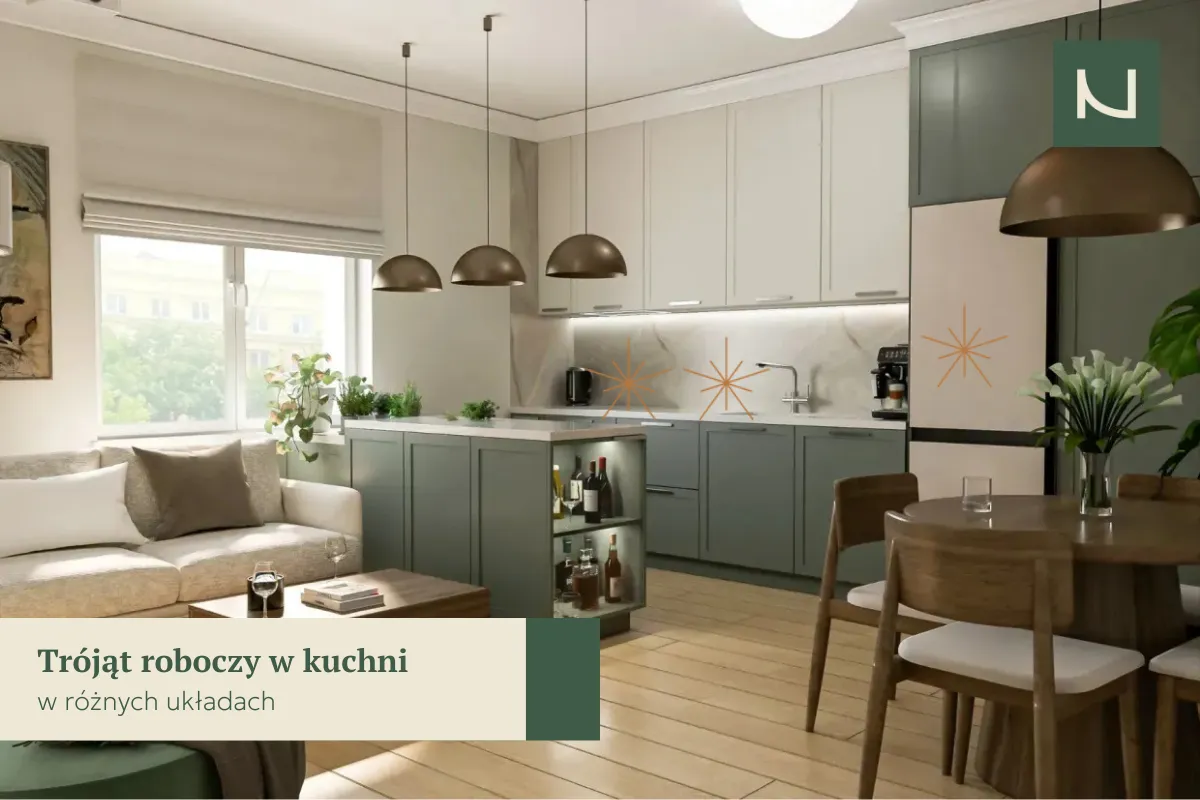
When planning the functional layout of the kitchen, it is worth applying the principle of “work triangle”, which is based on the optimal placement of the most important working zones: the refrigerator, sink and stove. The distances between these zones in the kitchen should be between 1.2 and 2.7m. Arranging these elements in the right order and distance from each other allows for easy and convenient access, which significantly facilitates the preparation of meals.
The principle of the work triangle will work well in various kitchen layouts, such as:
- Single-row kitchen: It works well in narrow kitchens and small spaces. With such a layout, it is worth noting that the refrigerator, sink and stove should be adequately separated along the length of the countertop, and one of the distances should be larger to leave room for a comfortable work surface.
- Two-row kitchen: Ideal for longer and narrower rooms. In such a layout, a work triangle can be used, separating the individual work zones on two sides of the kitchen.
- L-shaped or U-shaped kitchen: This is a layout that promotes the separation of cooking space, while allowing for convenient placement of the most important kitchen items according to the triangle principle.
How to design a small bedroom?
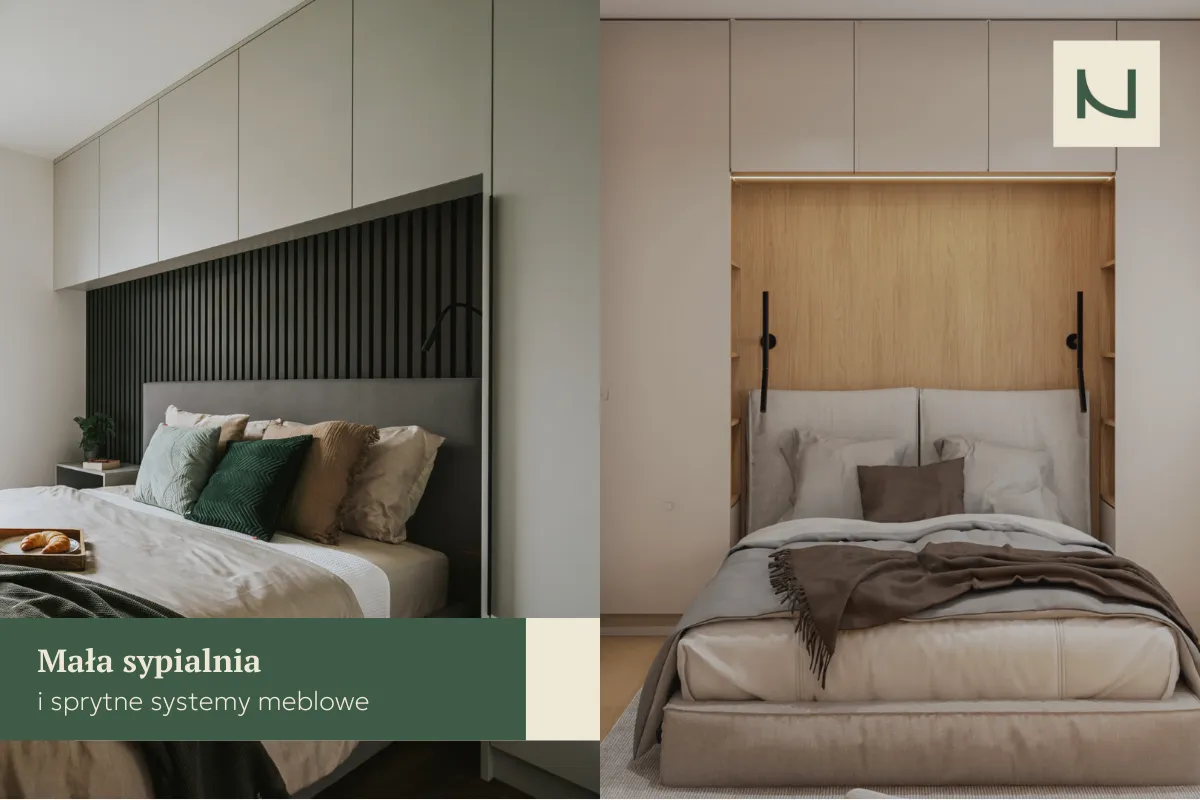
Arranging a small bedroom requires thoughtful solutions to combine comfort with functionality. One of the best ways to maximize the use of space in a small bedroom is to choose a customized furniture and built-in closets. This makes it possible to adapt the dimensions of the furniture to the available space and optimize the layout of the bedroomsso as not to clutter it with unnecessary elements. A good way to do this, is Enclosing the bed with a customized closet. Such a division allows you to separate On one or both sides of the convenient storage space. Use tall cabinets for less frequently used items. See for yourself our realizations of small bedrooms below ↓.
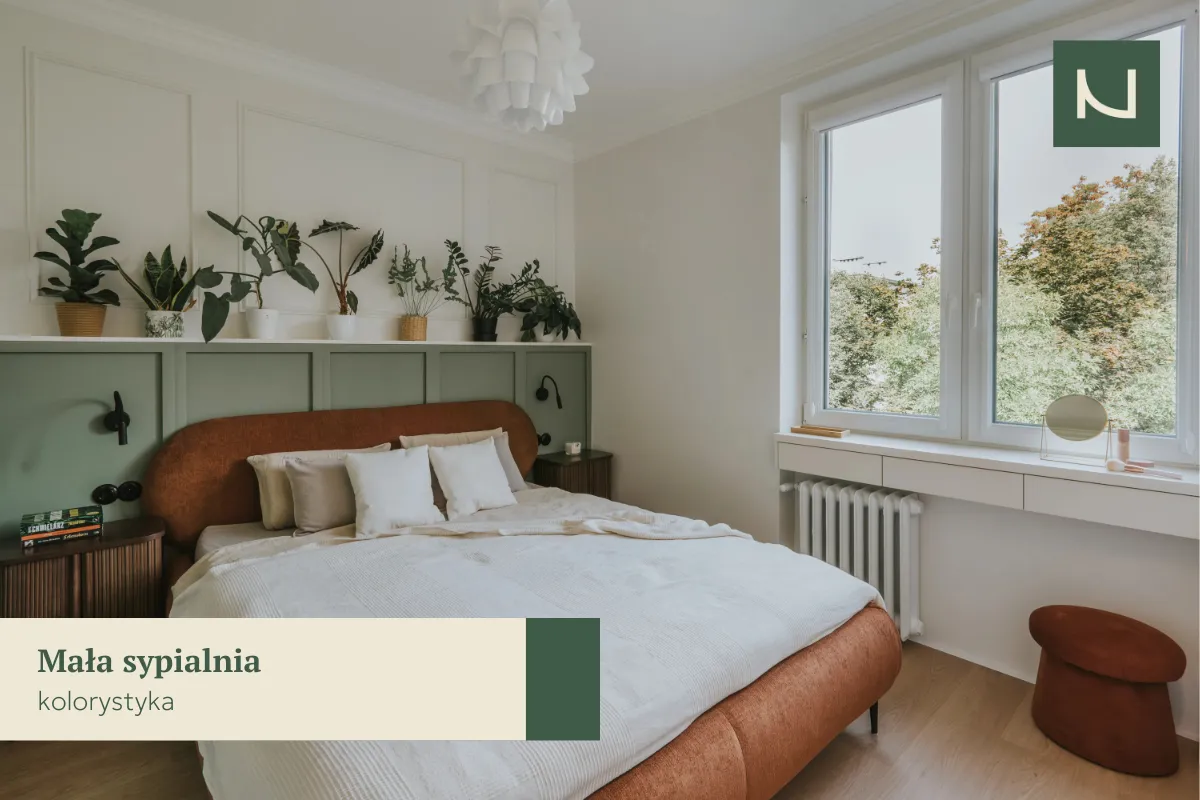
To give shape to an ill-proportioned bedroom, we can also play with wall colors. As in the case of our School project, by painting the lower part of the main wall in a calm sage color, the bedroom gained proportion and chicness. A shelf separating the two colors created additional space for displaying plants and handy things.
How to plan a homeoffice in an apartment?
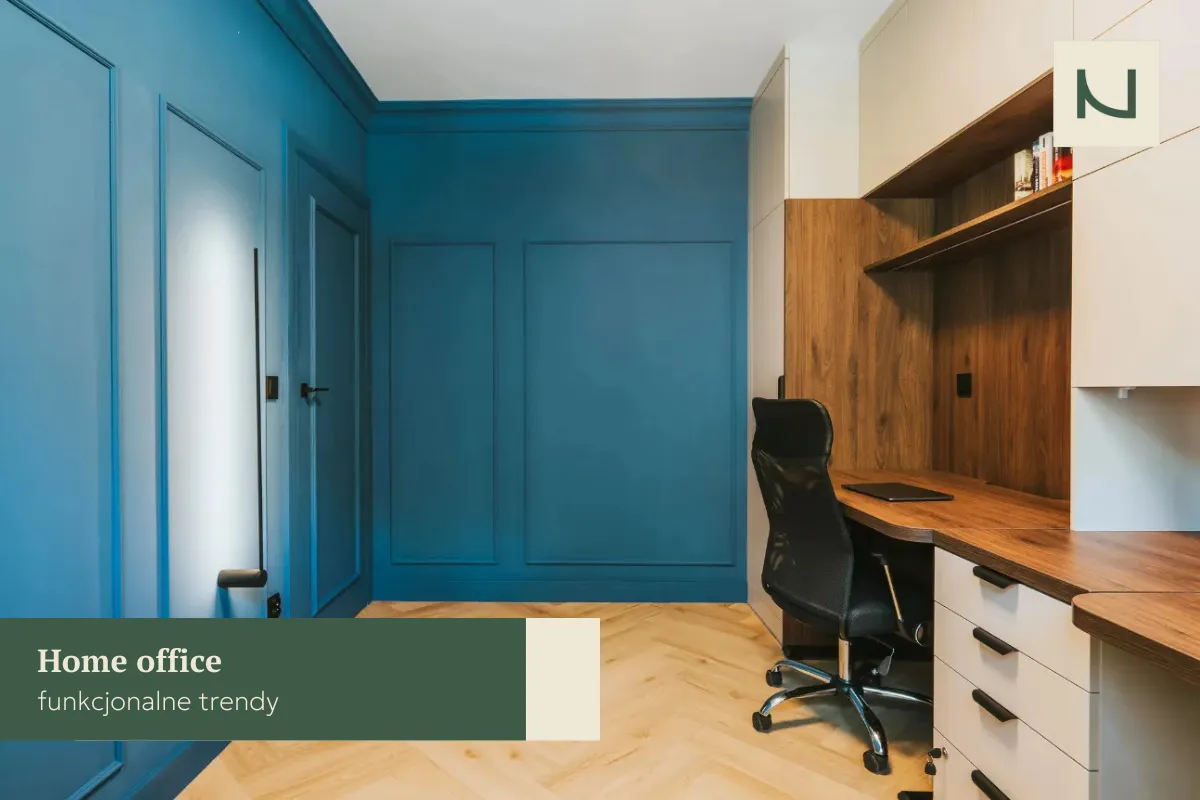
Planning an office space in a home, especially with limited space, is a challenge, but one that can be solved with clever solutions. Remote working is becoming more common, so it is worth creating a functional workspace. The office space should not only be comfortable, but also well-lit and ergonomic to increase comfort.
One effective way to organize workspace in a small apartment is to The use of alcoves. If your apartment has alcoves or unused corners, consider setting up a desk there. A folding desk that can be unfolded when needed and stowed away when you’re done working will also work well. Folding desks and furniture are an ideal solution in limited space, allowing you to easily adapt the interior to different needs.
To improve the ergonomics of your office space, it’s also a good idea to take care of proper lighting – both natural and artificial. It’s best to position the desk close to a window to take advantage of natural light during the day. After dark, use a desk lamp with a neutral light color. If the office is located in the living room or bedroom, consider gently separating this space, for example with a bookcase or screen, which will allow you to clearly mark the boundaries of the work zone.
What are the functional layout design techniques that can help increase the value of a property?
When designing the interior, it is worth thinking ahead and using solutions that can also contribute to the increase the value of the property. A well-planned functional layout of the interior is an investment that pays off, as aesthetic and practical solutions are appreciated by potential buyers.
One of the most effective ways to increase the value of a property is to Separating an extra room. Even a small space that is converted into a room, office or dressing room can significantly increase the attractiveness of an apartment. An extra room gives you the flexibility to adapt the property to different needs. It can serve as a guest bedroom, an office, a children’s room or a space for relaxation. We used such a change in our recent project – see below ↓.
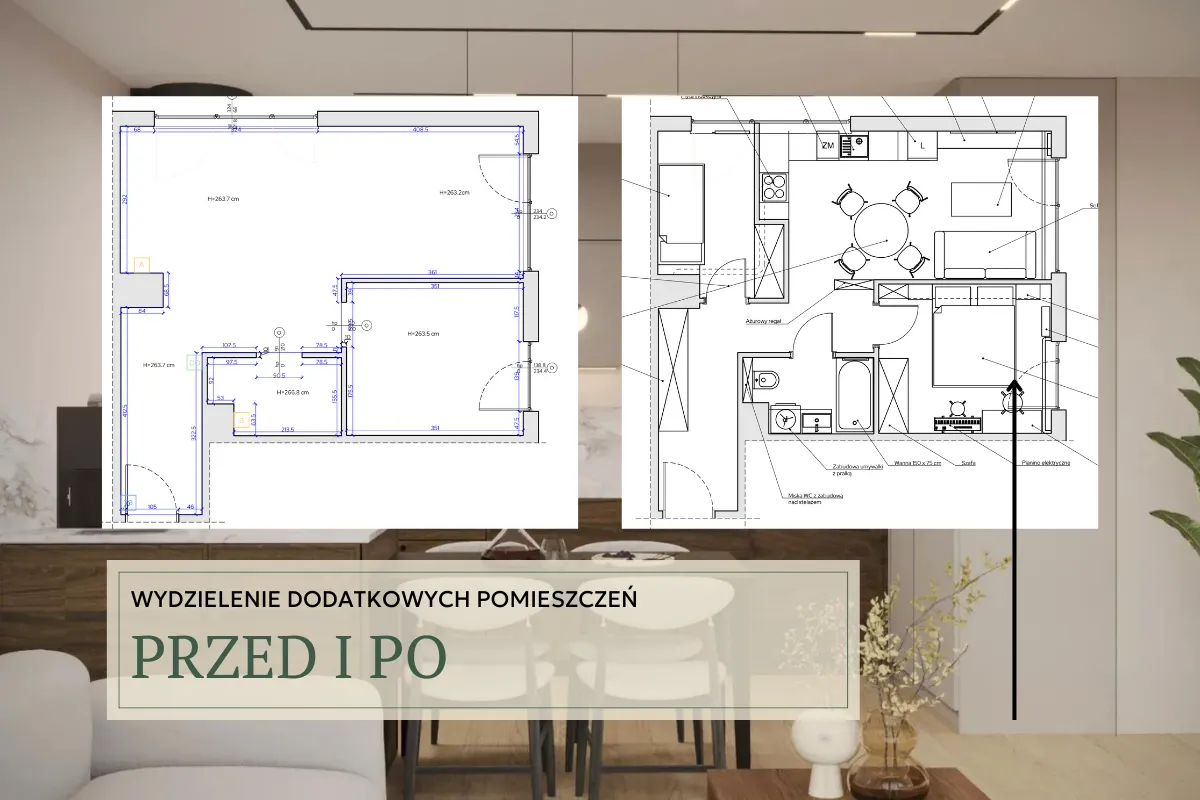
Another idea is to arrange the rooms thoughtfully, making more efficient use of the space and making it seem larger. For example, by creating An open kitchen combined with a living room or dining room, you can get the effect of visually larger space, which is often sought after on the real estate market.
What factors are worth considering when designing the functional layout of a bathroom?
The bathroom, as one of the most used rooms in the house, requires special attention when planning the functional layout. A well-thought-out bathroom layout means not only convenience of use, but also easier maintenance of order and efficient use of space. A functional bathroom should be adapted both to daily needs and to the size and layout of the entire interior.
The main factor to consider when designing a bathroom is the the arrangement of sanitary facilities. To ensure convenience, the toilet, sink and shower (or bathtub) should be located at appropriate distances from each other, which allows you to move freely around the bathroom. In small bathrooms, shower cubicles work well walk-in type, which are more spacious and easier to clean.
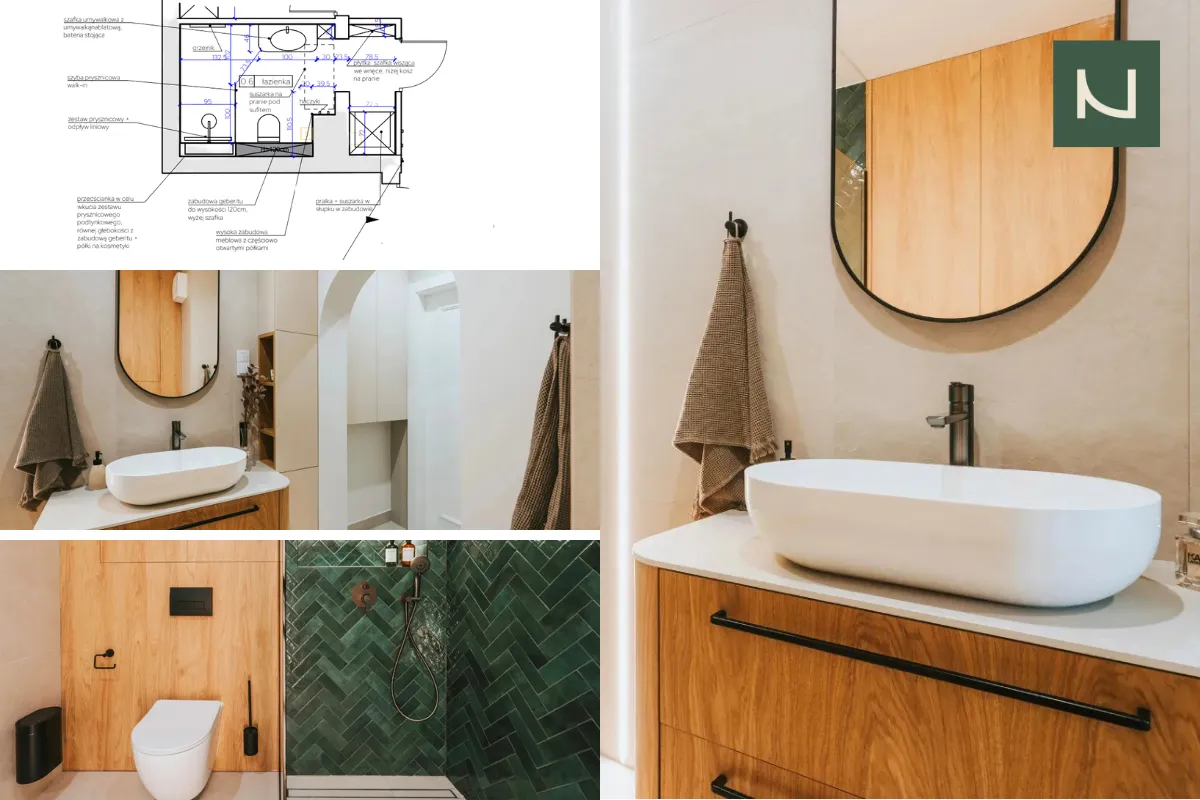
Another consideration is storage space. It is worth taking care of cabinets, shelves and drawers that will help organize bathroom accessories and cleaning products. In small bathrooms, wall-mounted cabinets and built-in shelves will work well, as they take up less space, but offer sufficient storage space. An interesting example will also be the functional layout we used for one of our recent projects. Assuming a kind of “vestibule” to the bathroom, with a washing machine and storage space for household chemicals. See for yourself ↑
Bathroom lighting also plays an important role, especially when there is no window to provide natural light. Spot lighting over the mirror and general soft ceiling light will provide comfort when performing daily hygiene tasks.
How to plan a functional space for relaxation, such as a sitting area in the living room?
Every interior requires a relaxation area in which to unwind after a challenging day. A relaxation space, like a lounge area in the living room, should be planned to promote relaxation and be comfortable. In arranging a relaxation space, comfortable furniture, proper lighting and a well thought-out functional layout are crucial.
The ideal place to relax should be located close to a window, providing access to natural light and contact with the outdoors. However, if such a setting is not possible, it is worth investing in a Adequate lighting, Which will create a cozy atmosphere. A standing lamp or table lamp with a soft light will create a relaxing and restful effect.
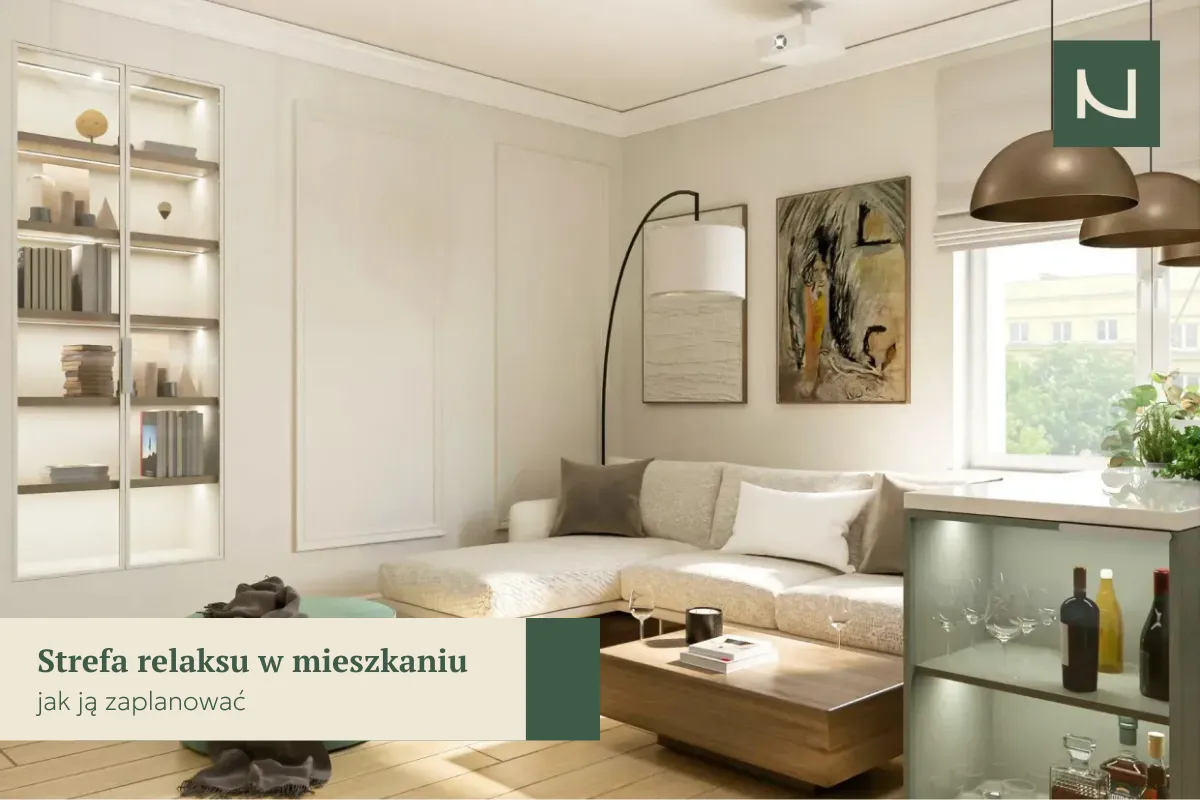
The positioning of the sofa and armchairs in the living room should be thought out so that they are facing the focal point, Which can be a TV, a fireplace or a window with a view. Maintaining appropriate distances between furniture allows for free movement and facilitates interaction between household members. The lounge corner can be complemented with soft accessories. Pillows, plaids or a rug are ideal to warm up the interior and give it a pleasant, homey feel.
What are the latest trends in functional interior design?
Modern interior design is increasingly focused on functionality and adapting spaces to the changing needs of users. Interior trends that emphasize practicality are now becoming an integral part of home and apartment design.
One of the most popular trends is opening the kitchen to the living room, which allows you to create a more spacious and modern living space. Kitchens open to the living room promote integration of residents and allow more flexible use of space. This solution is especially appreciated by people who often hold social gatherings and want to have free contact with guests while preparing meals.
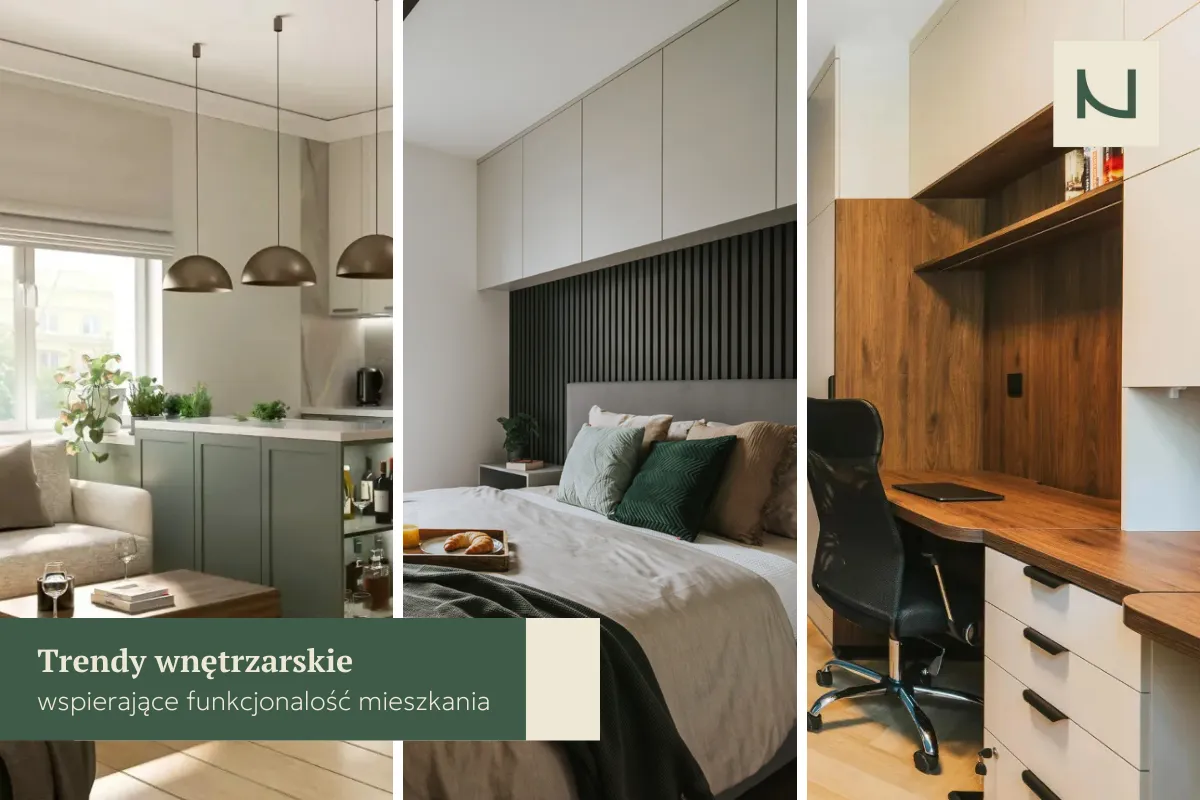
Minimalism 2025 is another trend that involves limiting the number of furniture and decorations to the absolute essentials. In practice, this means leaving in the house only unique pieces that are close to the residents, making the interior more personal. Minimalism allows you to maximize the use of space without cluttering it too much.
With remote work becoming increasingly popular, another important trend is to set aside space for a home office. Many interior designers are now including a workspace in the home that is ergonomic and provides comfortable working conditions, while blending in with the rest of the interior.
Summary – functional layout
Planning a functional interior layout is a process that requires taking into account the individual needs and lifestyles of the residents. A well-thought-out interior layout allows full use of the available space. In addition, it makes daily life at home more enjoyable and organized. Every element of the interior, from the kitchen and bedroom to the work and relaxation space, should be tailored to the users.


