A semi-detached house or detached houses are the dream of many people seeking an escape from crowded apartment blocks and wanting more space, a garden and comfortable living. Before you sign a contract and start planning your dream interior, it’s worth knowing that finishing a semi-detached house is different from finishing an apartment.
In apartments, many elements are common parts – stairwells, roofs, facade, and sometimes heating or garbage, which is organized by the housing community. A semi-detached house – what does it look like? Often everything rests on you – from the fence, to the driveway, to the drainage of the area.
In this text we will look at the additional costs, hidden works and responsibilities that await future owners of semi-detached houses.
Semi-detached house – stairs worth paying attention to?
When buying a semi-detached house from a developer, it is worth knowing that stairs are an element that can generate additional costs and work time. In apartments, stairs are usually not present, as they are part of the common areas, and the apartments themselves are on one level. In segments, on the other hand, stairs are almost standard, and sometimes there may even be two staircases, depending on the layout of the house.
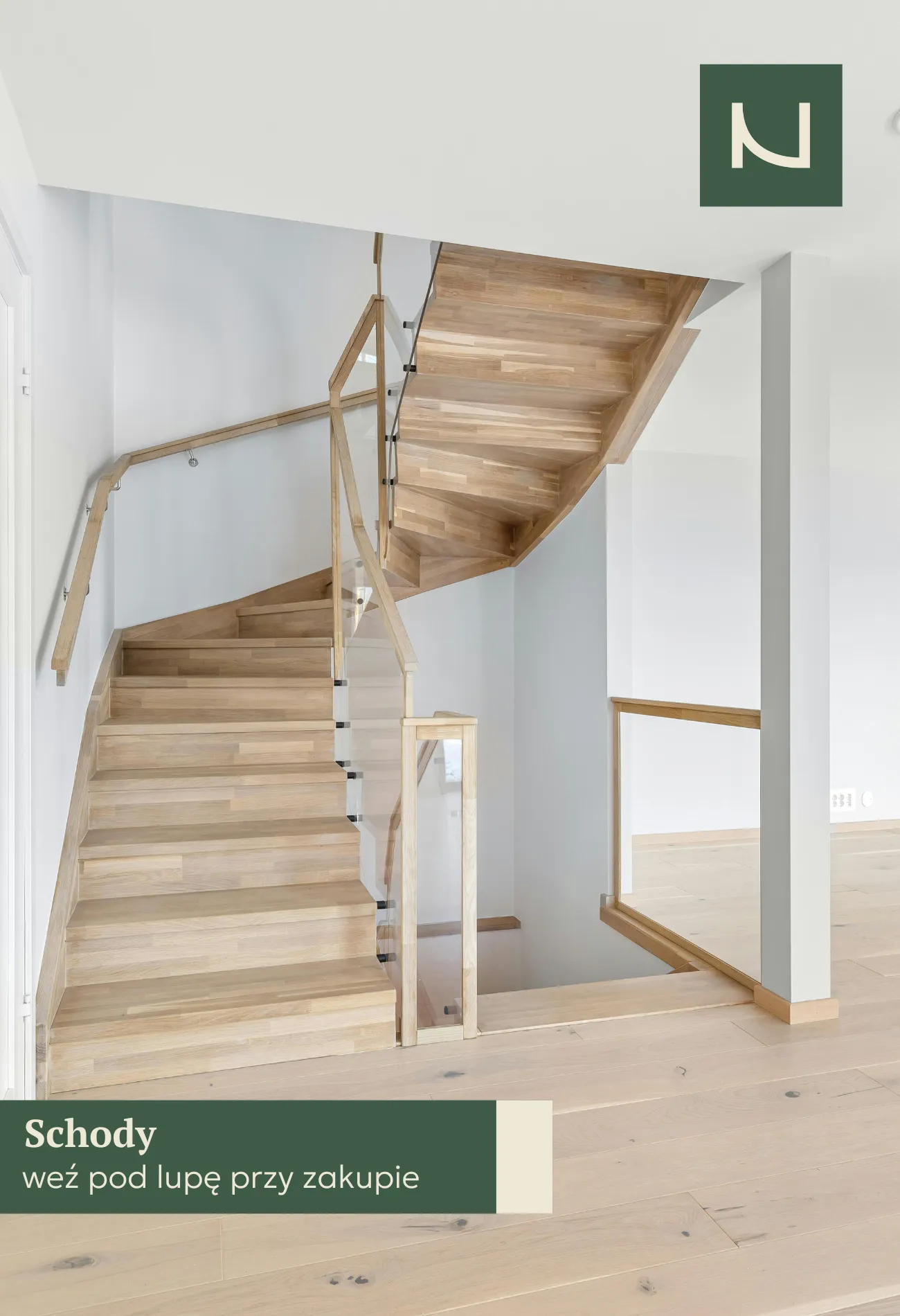
What might surprise you about stairs in a segment?
- No stairs at all. A common practice, especially in cheaper developments, is the absence of stairs as standard. The developer may only make poured concrete slabs, which later need to be properly finished. Such a situation involves additional costs – you will have to invest in cladding the stairs with finishing material, such as wood, tiles or micro-cement, depending on the chosen solution.
- Poured concrete stairs. If the developer lays the stairs with concrete, they will need to be finished. Although they seem to be less expensive, in reality the work on the stairs is time-consuming and requires precise cuts in the material. Even with the cheapest solution, such as tiles, the cost of labor and materials can amount to at least PLN 5,000. For more elegant solutions (such as wood or microcement), the price can be much higher.
- Stairs between floors. Sometimes the developer makes stairs only to the second floor, leaving the stairs between the second and third floors (or attic) missing. In this case, it is necessary to make the entire staircase construction at your own expense. This can range from a dozen to tens of thousands of zlotys, depending on the complexity of the project and the choice of materials (e.g., balustrades, treads, finishes).
Building of risers and installations – what is worth knowing when buying a segment?
One of the hidden costs that can occur when finishing a segment is the housing of risers and installations. Although such installations also appear in apartments, in the case of segments they are often not enclosed by the developer. In apartments, risers and installations are usually hidden, creating an aesthetically pleasing finished space. In contrast, in houses (especially semi-detached homes), developers often leave these elements to be worked on later by the owners.
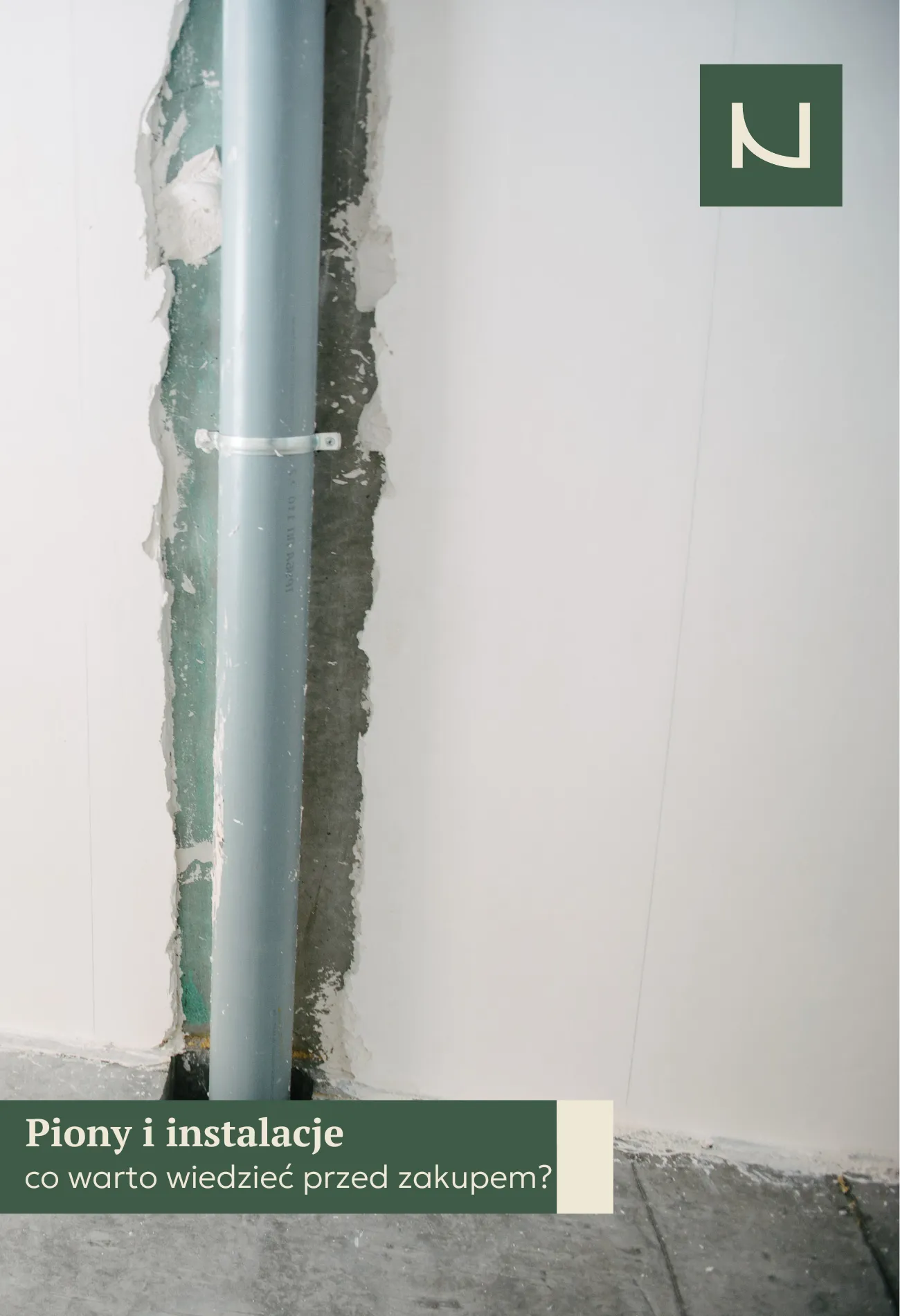
- Gypsum board (plasterboard) installation
The standard solution is to enclose the installation with gypsum board (so-called “dieka”). This requires the installation of profiles, onto which the boards are later screwed. What can prolong the work is additional processing, such as interlining, which is designed to mask the joints of the boards. In some cases, it’s possible to paint the surfaces immediately after they’ve been mudded, but often the finish isn’t perfect. For this reason, it may be necessary to apply smoothing over the entire surface, which is an additional cost. - Smoothing and painting
G-K boards are not always laid perfectly, making it necessary to apply plasterboard, which increases the cost and time of finishing. Often in apartments, developers do plaster, which is in better condition, so the cost of finishing can be lower. In segments, on the other hand, G-K boards may require much more work and finishing to achieve a satisfactory result. - Wooden structural beams
In some segments, especially on the floors, you can find wooden structural beams left on top. While they can be an interesting decorative element in loft style, they require careful finishing, which increases the time and cost of finishing. Varnishing wooden beams is a time-consuming process and involves an unpleasant smell, which needs to be factored into the finishing schedule. - Additional installation costs
There are also cases in the segments where the developer does not provide all the necessary equipment, such as a gas furnace. In the case of gas-heated homes, the developer may not provide a dual-function gas furnace, resulting in additional costs on the owner. The cost of such a furnace is usually several thousand zlotys, which also has to be added to the finishing budget.
Finishing the attic in a semi-detached house – what is worth knowing?
The attic in a semi-detached house often provides additional space that can be adapted for various purposes. This can be space for additional rooms, an office or storage. In the case of more modern solutions – space to create an attic apartment. It is worth remembering that access to the attic and its finishing involves additional costs.
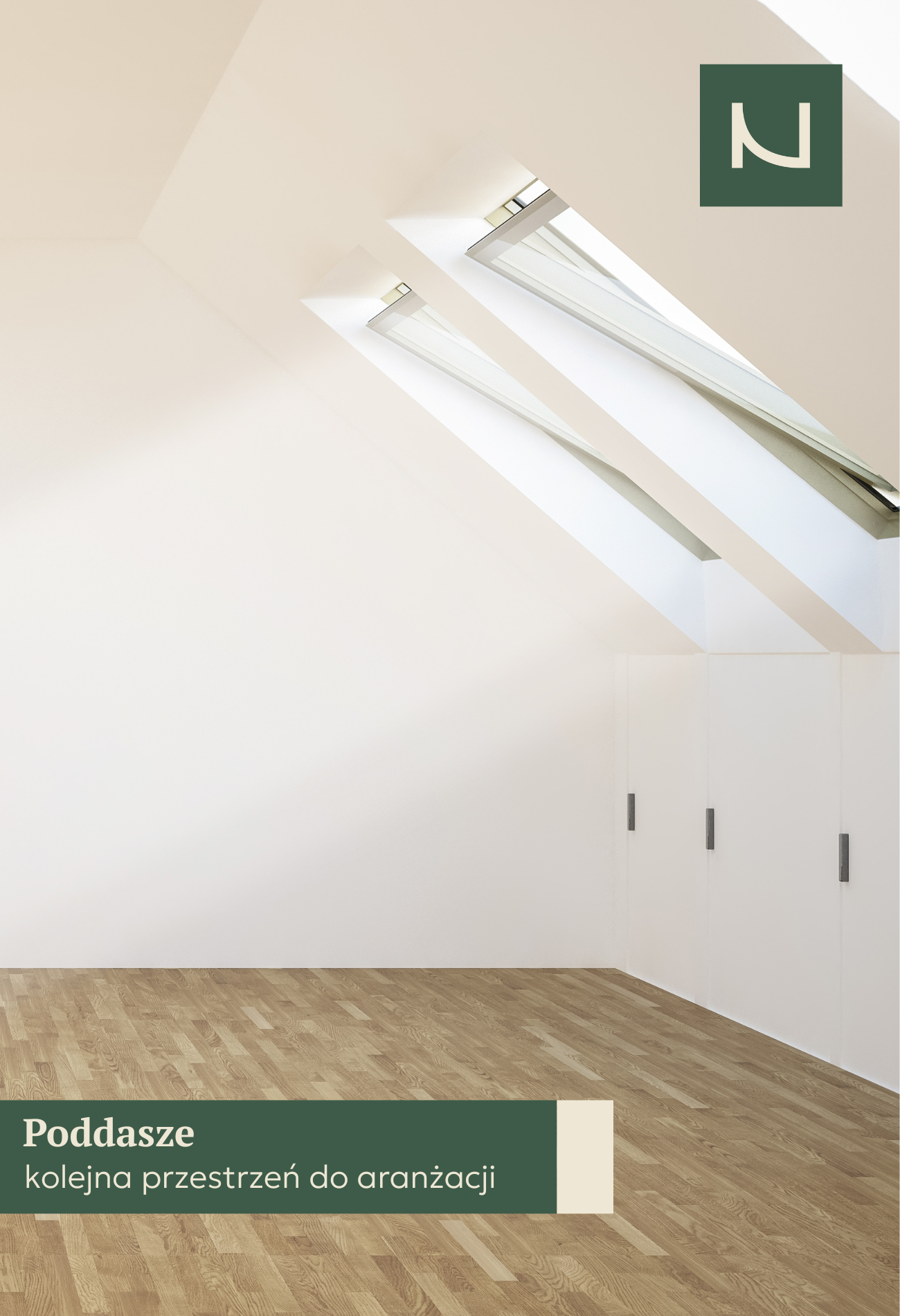
- Pouring and encasing with OSB board
In order to make effective use of the attic space, a screed may be necessary, especially if you plan to dedicate the space to a usable room. If the attic is to be used to its full potential, it may also be necessary to clad it with OSB. - Electrical installations
When adapting an attic for residential purposes, it is also necessary to adjust the electrical system to provide adequate lighting and electrical outlets in the attic rooms. The cost of this type of installation can reach several thousand zlotys, depending on the number of points and the type of appliances that will be connected. - Roof beams
A distinctive feature of segmented attics are the exposed roof beams, which can be an interesting decorative element, but require proper finishing. To make them look aesthetically pleasing, it is necessary to machine and protect them, which involves additional costs for sanding and varnishing. This is a time-consuming job that should not be skipped if you want a professional finish.
Although an attic can add a lot of value to a segment, finishing it is a cost worth including in the budget. It can be quite significant, since the attic requires adequate preparation and work on installations and surface finishes. It is worth adding that in case of unforeseen difficulties, such as unevenness in the roof structure, the costs may increase.
Summary
In summary, buying a segment from a developer involves additional costs and responsibilities that are worth taking into account before making a decision. Unlike apartments, in segments the owner is responsible for many issues that in the case of blocks of apartments are part of the common areas. The cost of finishing the stairs, installing utilities, and finishing the attic must be taken into account. A semi-detached house offers more space and comfort, but is also associated with greater financial expenses at the finishing stage. Therefore, it is worth planning these expenses well to avoid unpleasant surprises during the realization of the dream interior. For more, visit here: