


Choosing the right functional layout for an apartment or house is one of the key decisions during interior design. The layout not only affects the comfort of everyday life, but also determines the efficiency of the use of available space. In this article we will look at the best functional solutions, discuss their advantages, and suggest how to adjust the layout to individual needs.
What is a functional layout?
Functional layout is the arrangement of rooms in an apartment or house, which affects how the space is used. A well-designed layout takes into account the daily needs of the occupants, ensuring convenience and maximum use of space.
Key features of the functional layout:
- Logical arrangement of rooms, such as proximity to the kitchen and dining room.
- Optimal proportions of the rooms, Tailored to the needs of the residents.
- Minimize unusable space, such as long corridors.
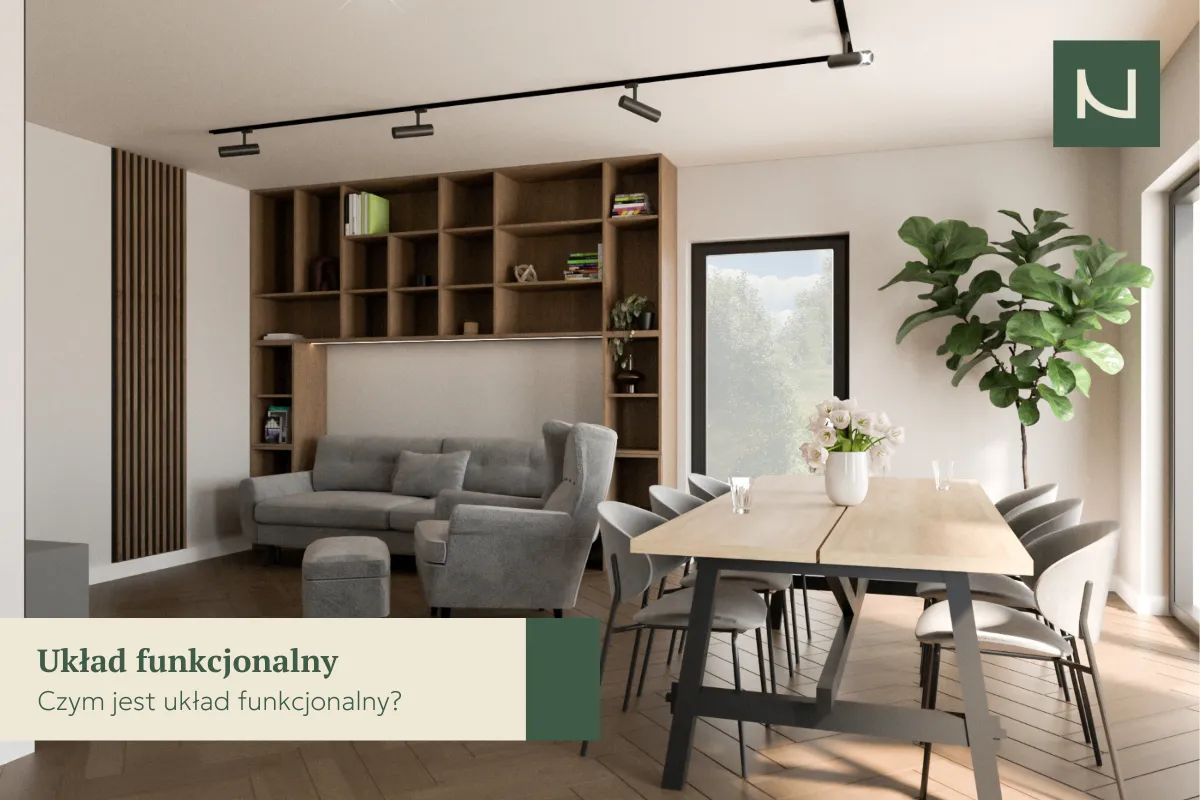
An example of a good functional layout can be a living room with a kitchenette in small apartments, which optically enlarges the space and facilitates communication between zones.
Why is the functional layout important?
A good functional layout not only allows efficient use of space, but also affects the convenience of everyday life. Thoughtful room layout allows for easier flow between zones, as well as increased privacy and comfort.
Benefits of a well-designed layout:
- Increasing living comfort: e.g., separating the night zone from the day zone for greater privacy.
- Improved functionality: A kitchen close to the dining room and living room means convenience in daily use.
- Investment value: apartments with well-planned layouts sell faster and more expensively.
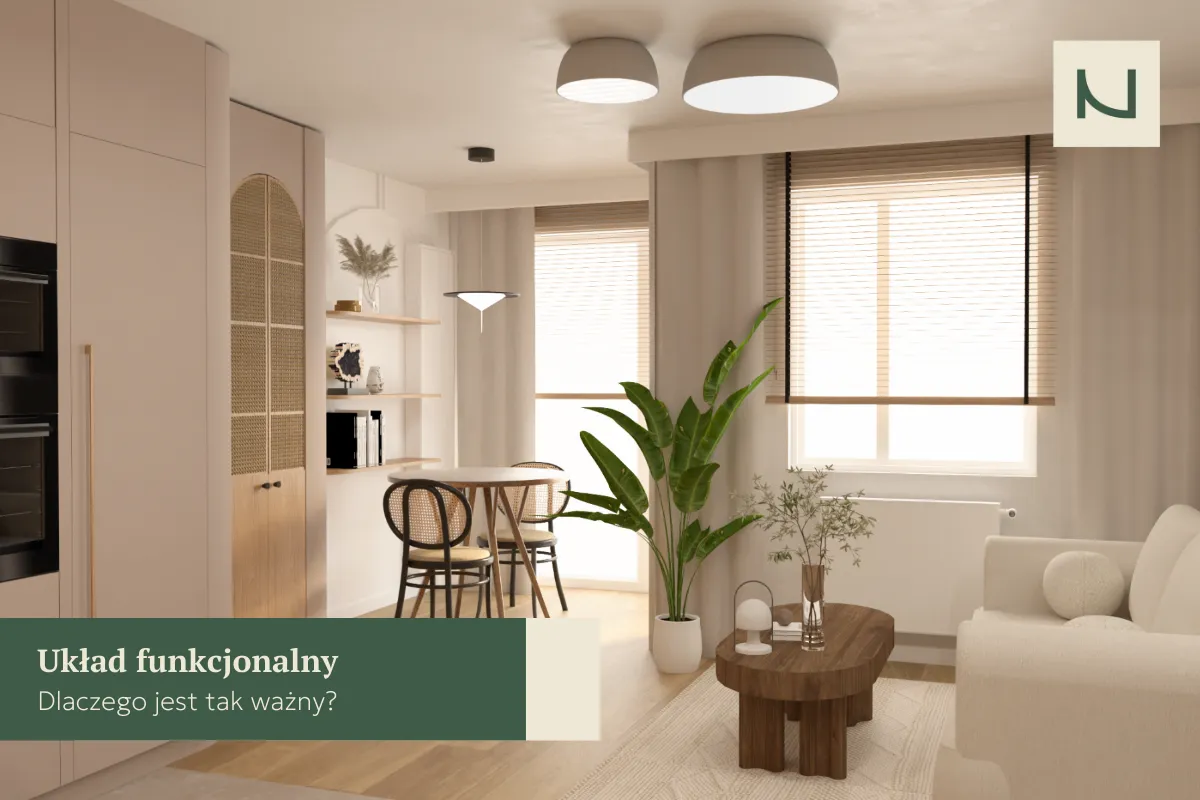
An apartment with a well-thought-out layout with a minimum number of corridors and the right proportion of space between rooms will be more attractive to buyers and more convenient for daily use.
How does the functional layout affect the price of the property?
Functional layout is of great importance to the value of a property. Buyers are increasingly paying attention to the practicality and convenience of the space, so apartments with well-thought-out layouts are more popular on the market.
The value of well-designed spaces
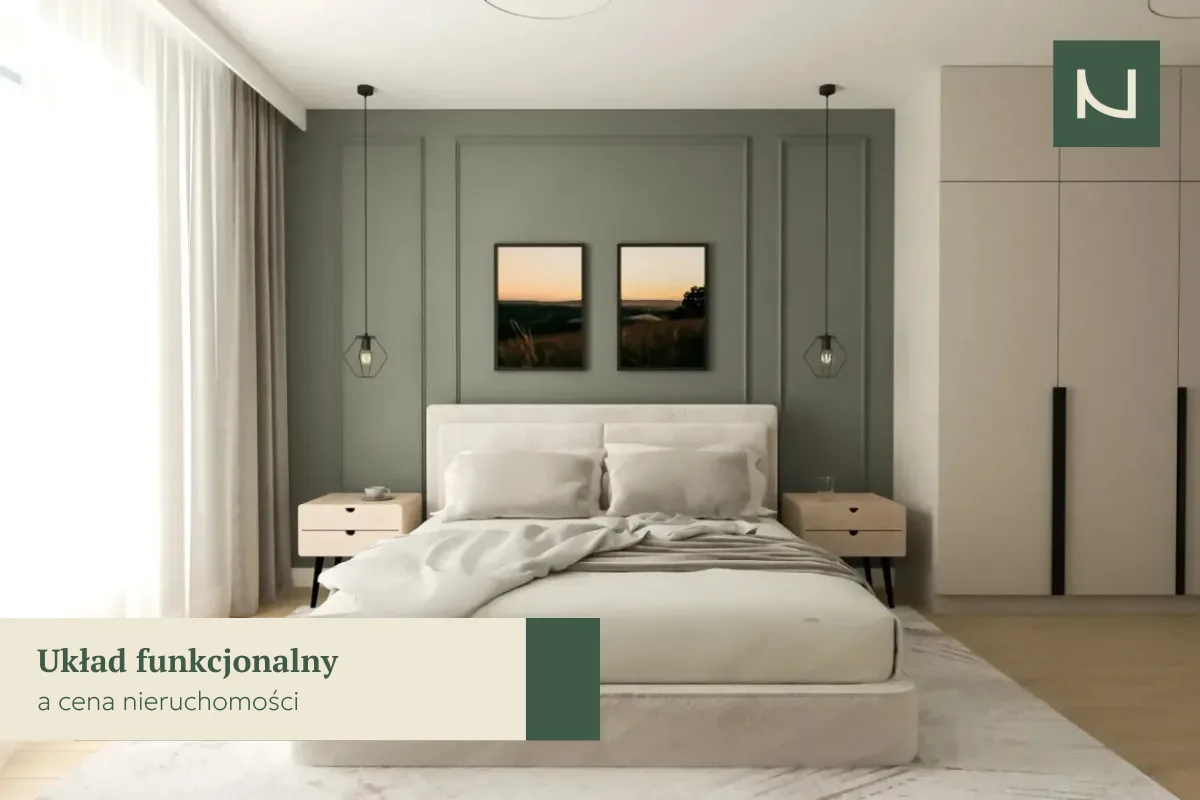
Apartments with properly laid out rooms, such as reducing the size of hallways in favor of larger rooms, are more attractive to potential buyers. Such properties can fetch higher prices because they offer greater utility for the same square footage.
Costs of adapting impractical layouts
Ill-considered layouts often require costly alterations, such as moving partitions, relocating plumbing or electrical systems. For example, remodeling a kitchen located in a remote area can involve a lot of money.
Best functional layouts – what works and why?
Not all layouts are equally practical. However, there are solutions that work well in most apartments and houses, guaranteeing convenience and optimal use of space.
Layout with clear division into day and night zones
Separating the bedroom area from the living room and kitchen is one of the best solutions, especially for families with children. Such a division provides more privacy and quietness in the night area, even when someone is using the living area.
Apartment with a kitchenette in the living room
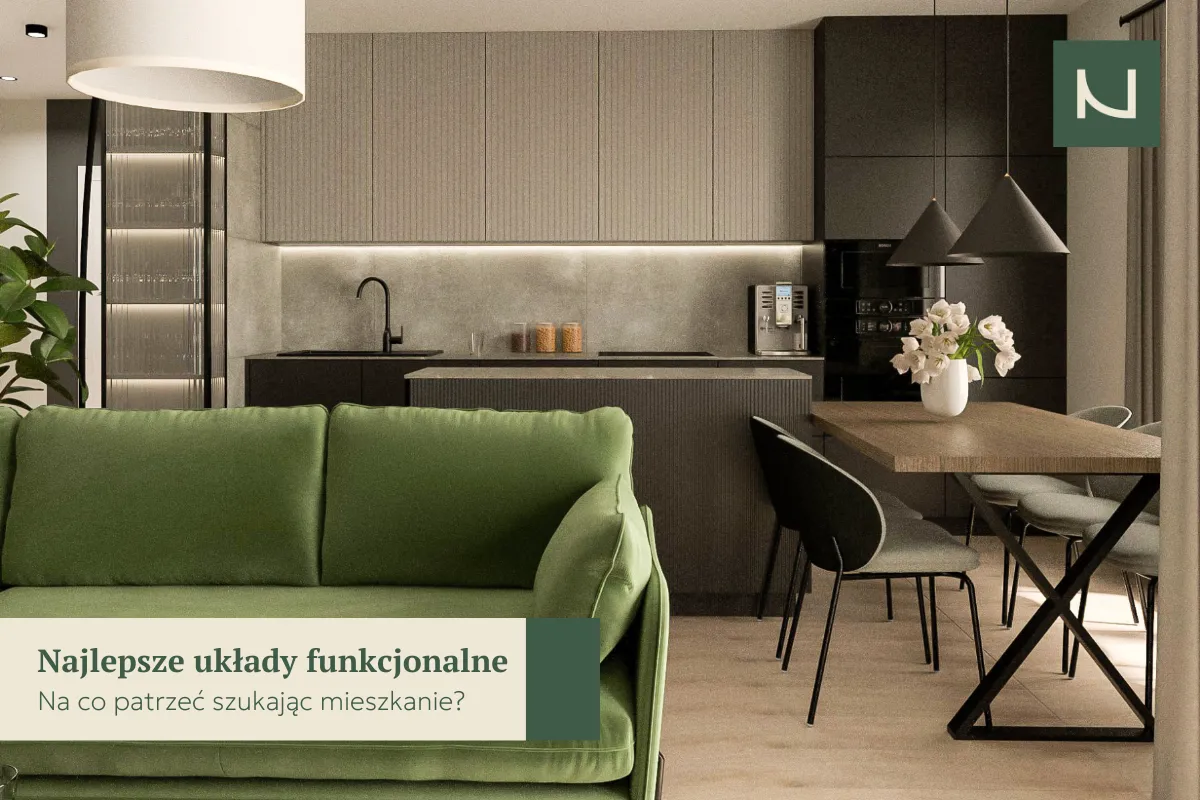
This is a popular solution in smaller apartments, where optical enlargement of space is key. A kitchenette open to the living room allows for better lighting in the room and facilitates communication between household members. However, it is important to use an efficient kitchen exhaust to avoid odor problems.
Apartment with minimal corridors
Long, narrow hallways take up valuable space that could be used in more practical ways. That’s why more and more interior designs are reducing their number, increasing the usable area of rooms.
Problematic functional systems – what to avoid?
Not every functional layout is optimal. Some solutions can significantly impede the use of an apartment or house, generating additional adaptation costs.
Long corridors
They take up a lot of space that could be used for rooms or utility rooms. Corridors have limited utility functions and are difficult to manage effectively.
Disproportionate space allocation
An example would be a 50 sq. m. apartment in which the living room with an annex occupies 30 sq. m. and the bedroom only 8 sq. m. Such layouts are impractical and can cause arrangement difficulties.
Layout without possibility of change
Premises with load-bearing structures in unfavorable locations that prevent walls from moving can significantly limit the flexibility of arrangements.
Selection of functional layout to meet the needs of residents
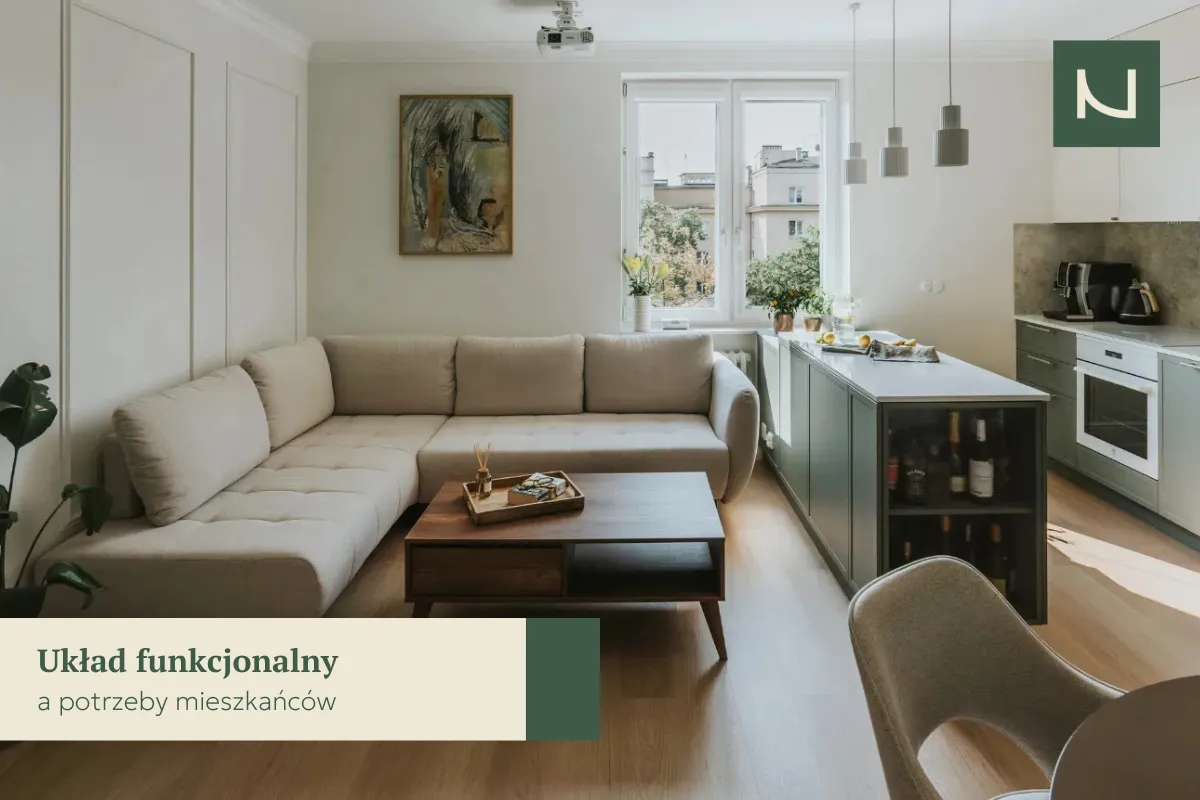
Each resident has different needs, so the functional layout should be adapted to the lifestyle and number of household members.
Functional layout for families with children
Larger bedrooms, a spacious kitchen and storage space for clothes, toys and daily necessities are important. Separating the living area from the night area ensures quiet and comfort for all family members. It is important that the space for the child is equally functional and comfortable even if it is small.
Functional layout for singles or couples
Smaller apartments with open space are more functional and easier to furnish. A living room with a kitchenette and a compact bedroom is a solution that will work well for people with active lifestyles and who regularly invite guests.
Functional layout for people working from home
Additional space for an office is crucial. It’s a good idea to set aside space for a home office, such as with a sliding door or a light partition wall, to provide a suitable working environment.
Possibilities of space adaptation
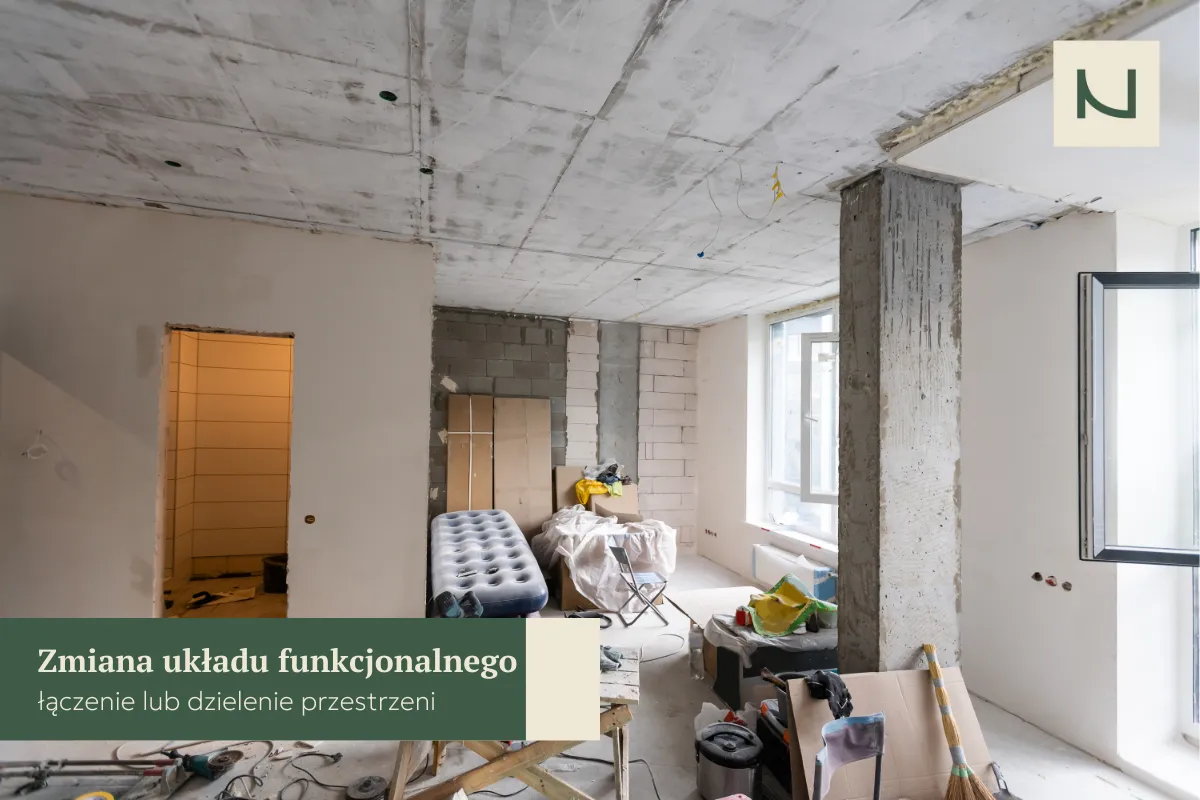
Adapting the space is the key to adapting the interior to the changing needs of household members. Even in an existing apartment, functionality can be improved with a few proven solutions.
Moving partition walls
Changing the layout of partition walls allows you to enlarge or reduce selected rooms. Thus, for example, you can enlarge the bathroom at the expense of the hallway, or create a larger living room by combining it with the dining room. It is important to consult an architect about these changes to avoid mistakenly damaging load-bearing walls.
Combining rooms
Combining the kitchen with the living room is one of the most popular solutions, which optically enlarges the space and promotes interaction between household members. In small apartments, such a combination allows better use of space. However, it is crucial to take care of proper ventilation and harmoniously combine the styles of the two zones.
Creating additional zones
Separation of additional zones, such as an office or a dressing room, can be implemented with light walls, curtains or furniture acting as a partition. This is a great solution in small apartments, where each space must have a specific function.
An example is separating a work area in the living room with a sliding wall – a flexible and aesthetically pleasing solution.
These changes can significantly improve the comfort of the apartment, increasing its functionality and matching the lifestyle of the residents.
Examples of functional arrangements in different spaces
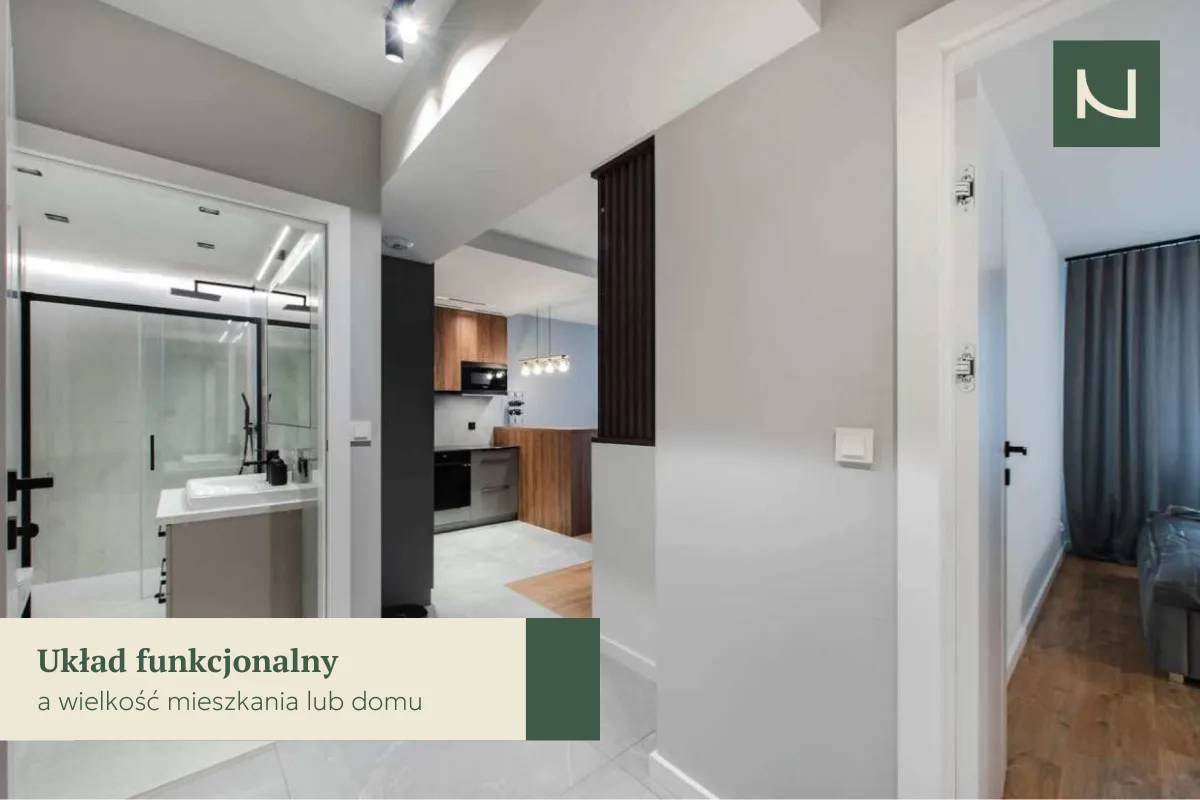
A good functional layout should be tailored to the square footage and the number of residents.
Bachelor apartments (up to 30 m²) – for singles
An open living room with a kitchenette and a sleeping area connected to the living area is the most common solution. Multifunctional furniture, such as a sofa bed or a bed tucked into a closet, saves space.
Small apartmentsapartments (30-50 m²) – for couples
A living room with a kitchenette and a separate bedroom is the most functional layout for couples. Minimizing the amount of free-standing furniture and custom built-ins make better use of the space.
Medium and large apartments (50-100 m²) – for families with children
Separating the living and sleeping areas provides more privacy. With this square footage, we can allocate more space for a spacious kitchen and additional storage space, such as a closet or pantry
Houses (over 120 m²)
A clear division into usable areas, such as the kitchen, dining room, living room, and private spaces and additional rooms, such as an office or guest room. A space of more than 100m2 allows for a much freer introduction of a comfortable functional layout, especially for multiple household members.
Summary
A well-planned functional layout is the key to comfortable and convenient living. Proper arrangement of rooms allows you to make better use of space and increases the value of the property. Our designers at Nilen Concept will help match the functional layout to your needs and guide you through the entire process of turnkey interior design and finishing. Contact us to make your apartment not only beautiful, but also functional!


