Choosing wall paint is one of the seemingly simplest stages of interior design. However, in reality, many people make mistakes that result in unsatisfactory visual results or are difficult to keep clean. If you want your walls to look good not only immediately after painting, but also months or years later, it’s worth knowing what paint to look for and what to avoid. In this article, we’ll tell you what the best wall paint is and what to pay attention to when choosing it.
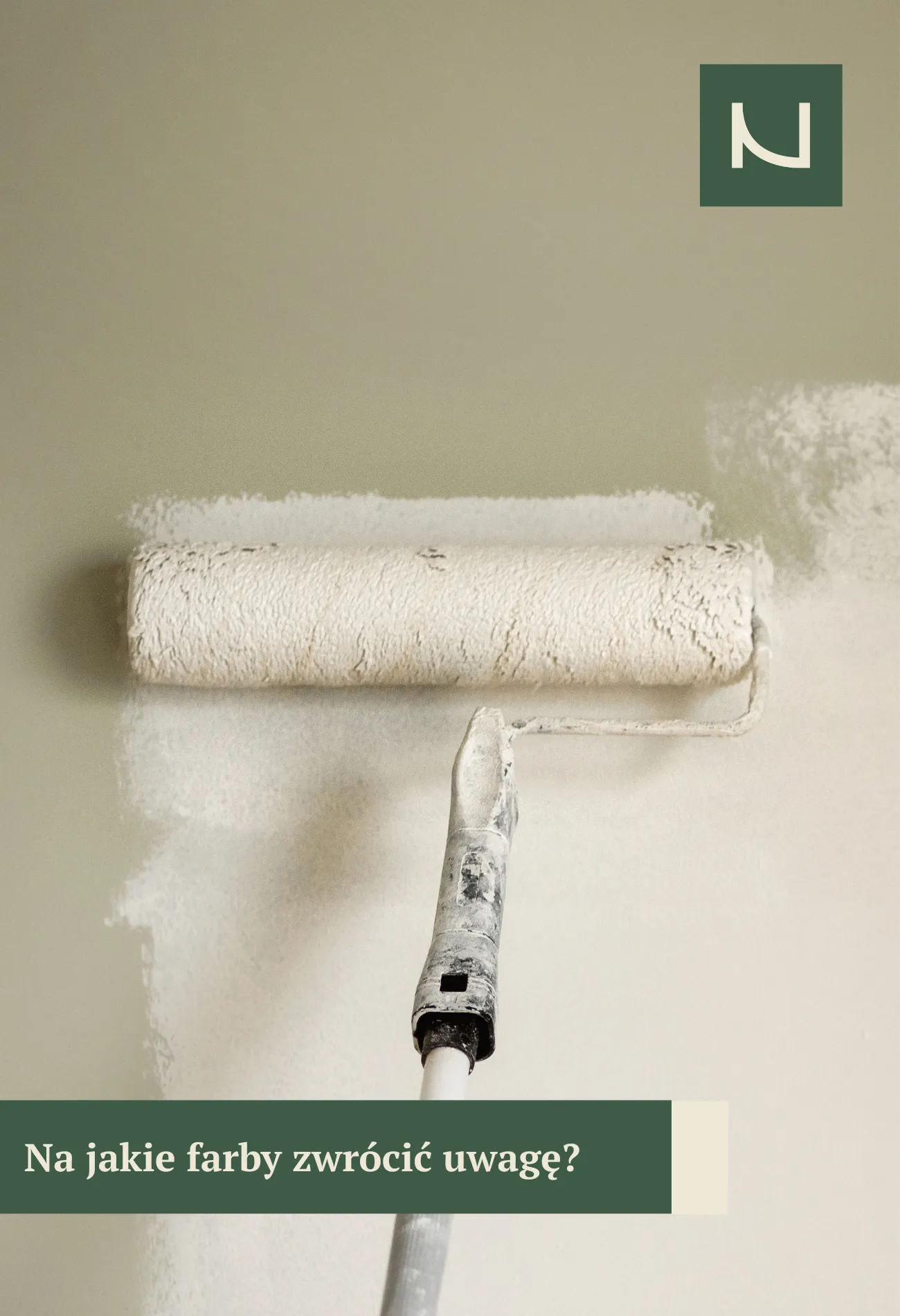
1. Too hasty a choice of color – not only based on the sample
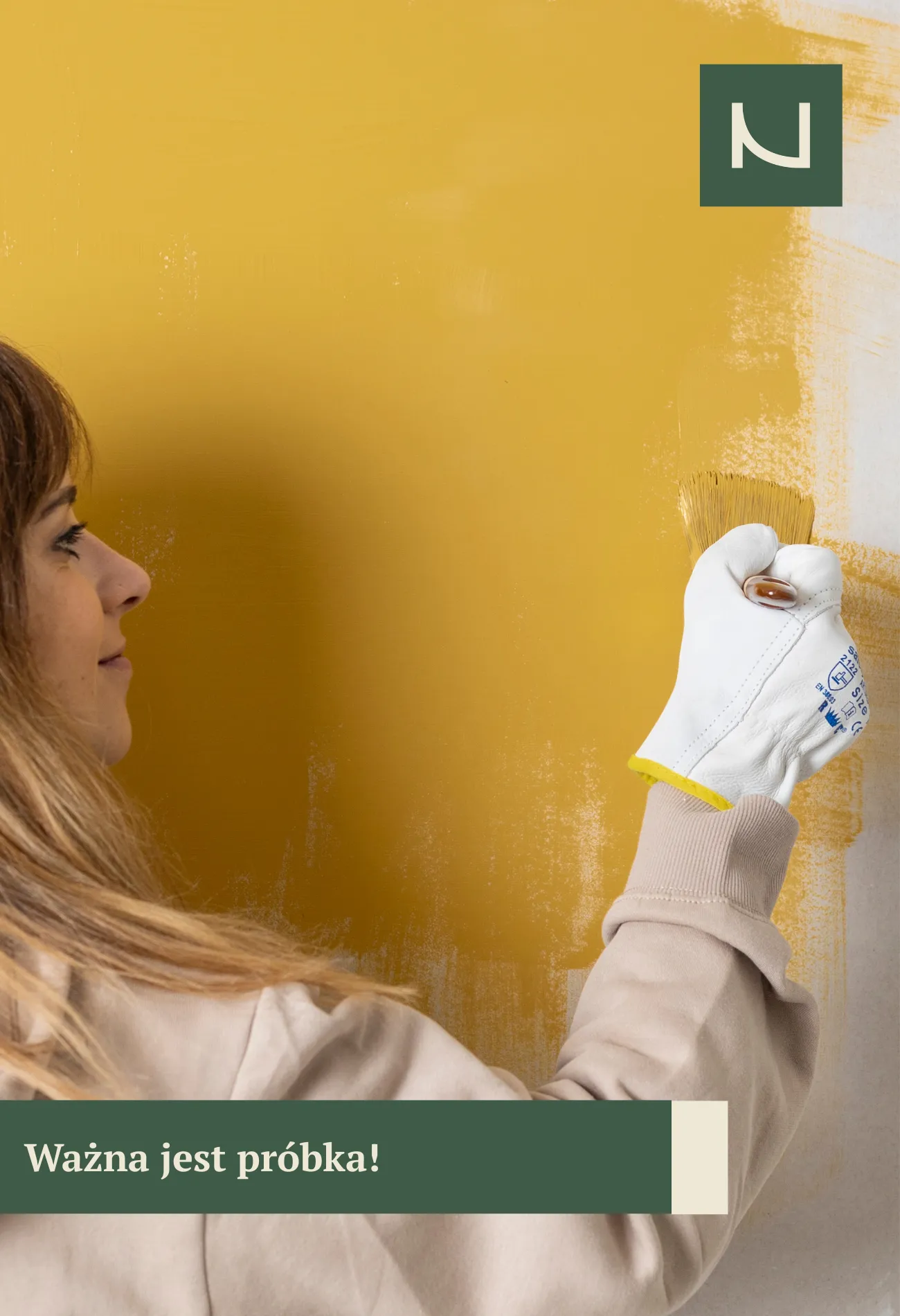
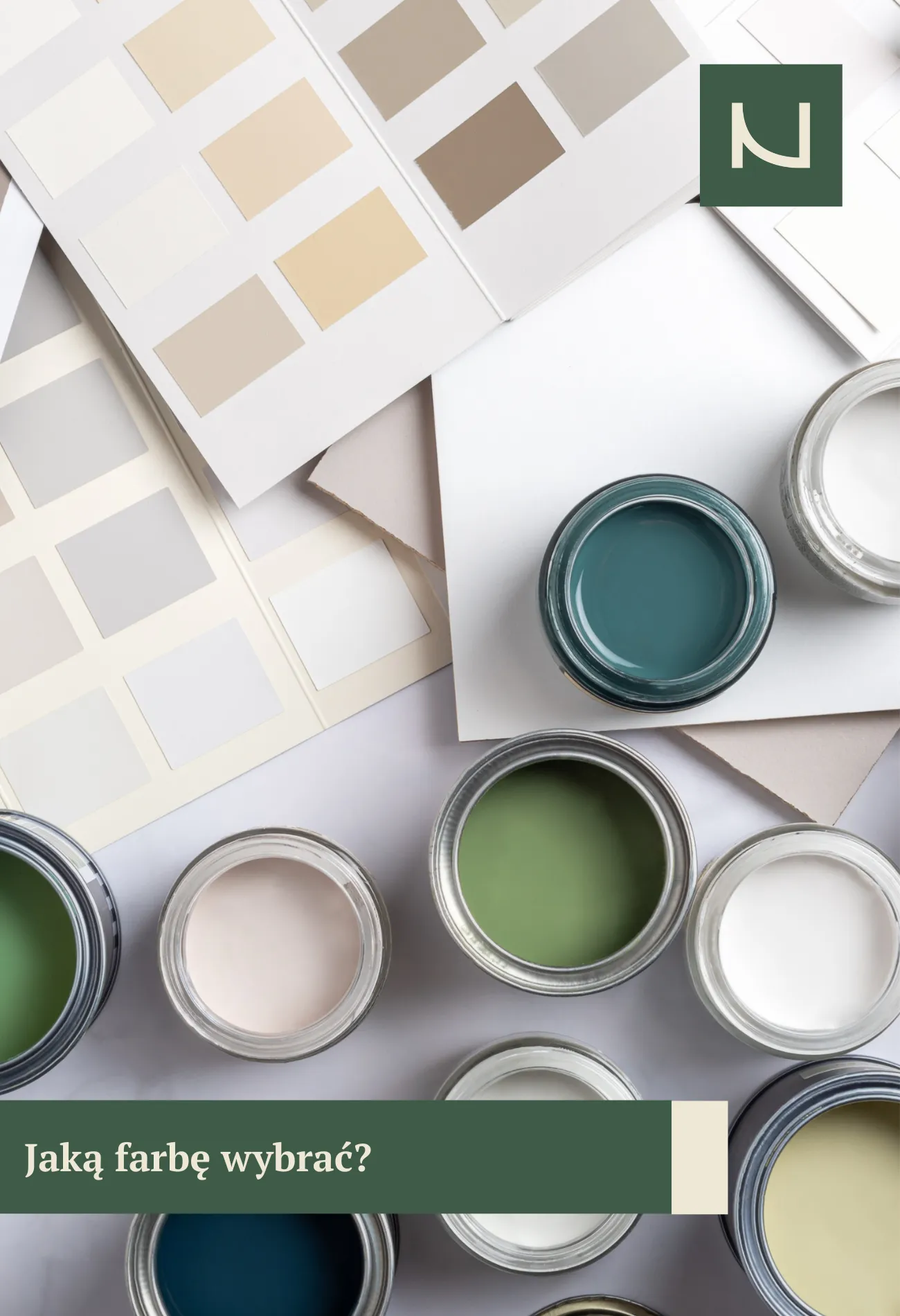
One of the most common mistakes is choosing a paint color based solely on a small sample . A color can look completely different on the wall than on paper – this is influenced by natural and artificial light, the size of the room, surrounding surfaces, and the direction of light.
What to do instead? Buy testers and paint sections of the wall in different places in the room. Observe how the color changes throughout the day. This will help you avoid poor decisions and achieve the desired effect. It’s also worth testing the color on a larger surface than the popular “30×30 cm square”—the larger the sample, the more realistic the effect.
2. The wrong type of paint for a particular room
Not every paint is suitable for every interior. A common mistake is using the same paint in the living room, kitchen, and bathroom – each space has different requirements. Rooms exposed to moisture, steam, grease, or mechanical stains require special products.
The best paint for bathroom walls should be moisture- and fungus-resistant (e.g., latex or ceramic paints). For the kitchen, it’s worth choosing paints that are resistant to washing and scrubbing. Hypoallergenic and breathable paints are best for bedrooms and children’s rooms. In the hallway, where walls are more exposed to physical contact (e.g., with shoes, bags, or strollers), it’s better to use paints with higher abrasion resistance.
3. Not resistant to stains and washing
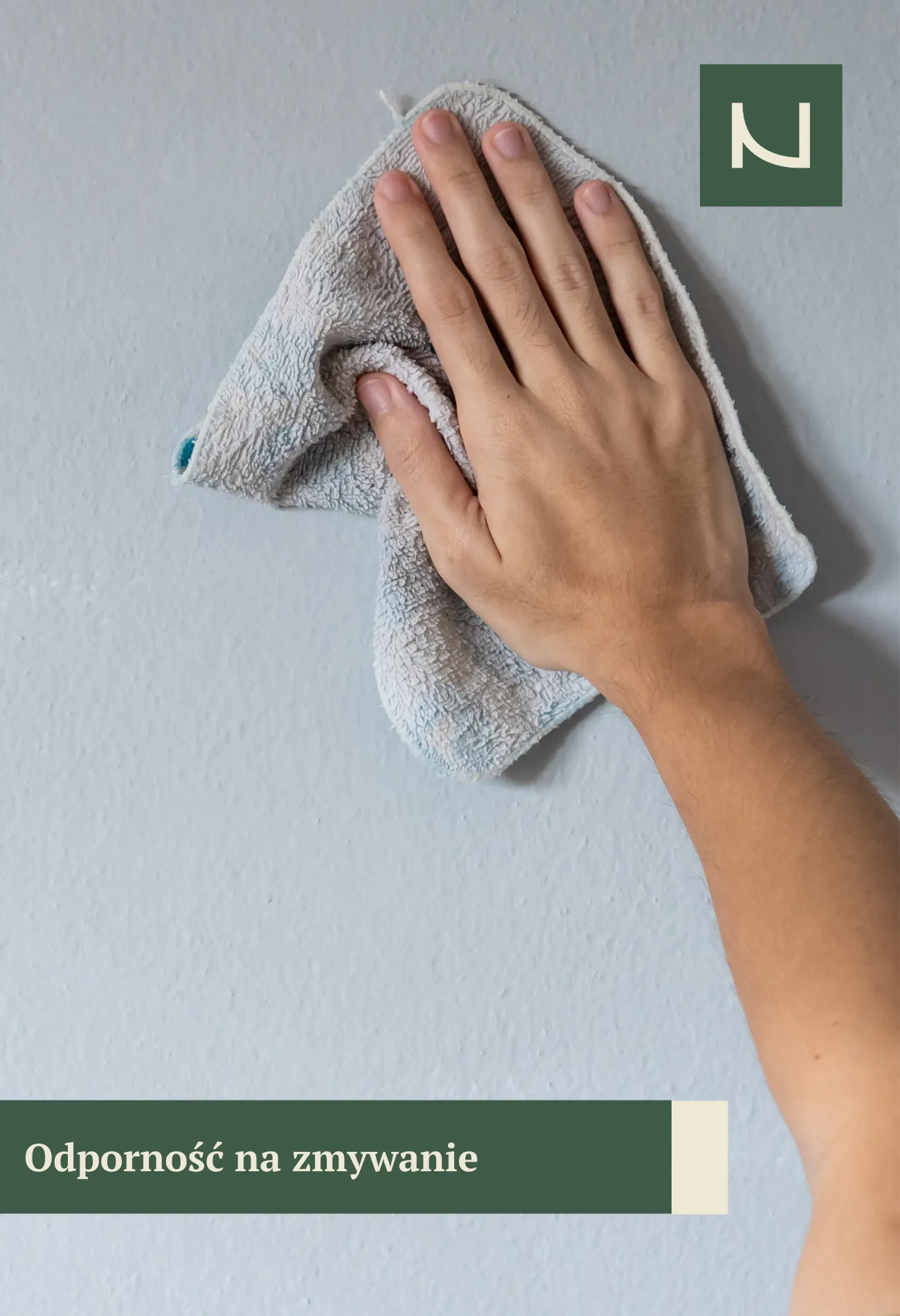
In heavily used rooms ( hallways, kitchens, children’s rooms ), it’s best to choose paints with a class 1 or 2 rating for wet scrubbing resistance. Poor paint quality results in streaks and fading color after wiping with a damp cloth. Often, after just a few months, walls look worn and require refreshing.
A good wall paint combines aesthetics with practicality. Modern ceramic or stain-resistant paints allow you to maintain a fresh look for long periods of time, without the need for touch-ups. It’s worth considering products labeled “scrubber-resistant” or certified for resistance to dirt and moisture.
4. Incorrect finish: matte, semi-matte or satin?
The type of finish affects not only the appearance but also the durability and cleaning characteristics of the wall. Deep matt finishes look beautiful but are more difficult to keep clean , especially on dark colors. Satin and semi-matt paints, on the other hand, reflect more light and are easier to wipe clean, but they can highlight imperfections.
The best wall paint is a compromise between appearance and functionality – it’s worth matching the finish to the room’s function and usage. Matte or semi-matte finishes work well in living rooms and bedrooms, while satin or silky-gloss finishes work well in kitchens and bathrooms.

5. Saving on quality
Paint is one of the cheapest finishing touches in an apartment, so it’s not worth skimping on. Cheap paint can mean poor coverage, increased wear, uneven application, and faster staining of the walls. Ultimately, you’ll end up paying more.
Invest in paints from reputable manufacturers that have good reviews, certifications, and high resistance. Ceramic paints, premium latex paints, and eco-friendly paints with no VOCs or PZH certifications are good options. These products not only look better but are also safer for health and the environment. It’s worth paying attention to the paint’s composition and odor – products with low VOC content are more friendly to household members, especially children and allergy sufferers.

Summary
When choosing the best wall paint, it’s worth considering not only the color but also, above all, functionality and durability. By avoiding common mistakes like relying solely on a paint sample, choosing the wrong type of paint, or skimping on quality, we can enjoy beautiful and practical interiors for a long time.
If you’re planning a renovation or furnishing a new apartment, don’t hesitate to consult an interior designer . Professional help will help you choose the right paint color, type, and finish for your specific room, interior design style, and household needs. It’s a simple way to avoid costly mistakes and ensure that your walls look great not only in photos but, above all, in everyday life.