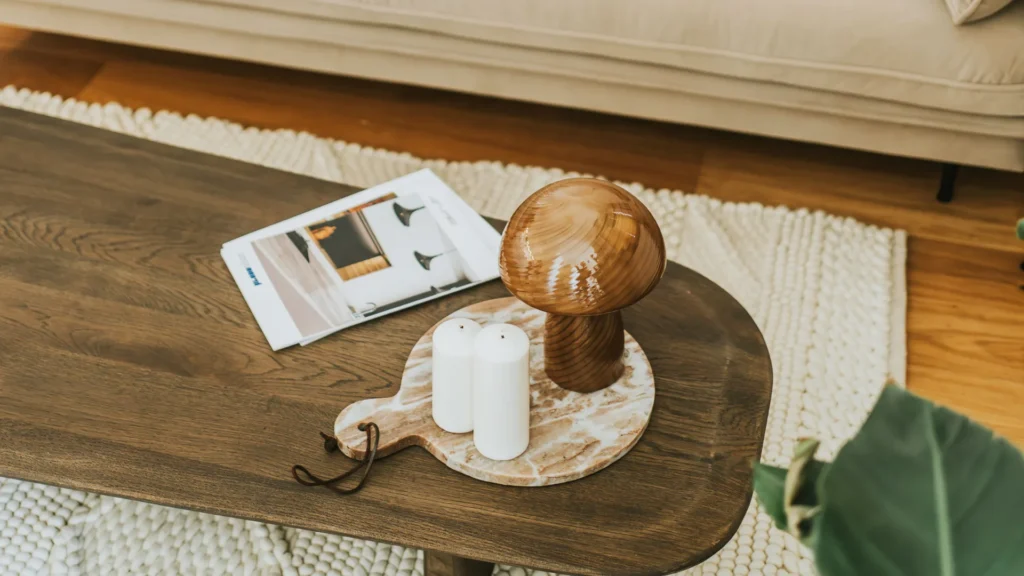
If you are wondering what are the most fashionable decorative plasters in 2026, The answer is simple: natural, structured, and expressive, yet elegant. Trends are clearly shifting toward textures inspired by nature, subtle abrasions, and surfaces that “work” with light. Plaster is no longer a backdrop, but a conscious element of interior design.
In this article, we show you which wall finishes will dominate in the upcoming season and where they will work best.
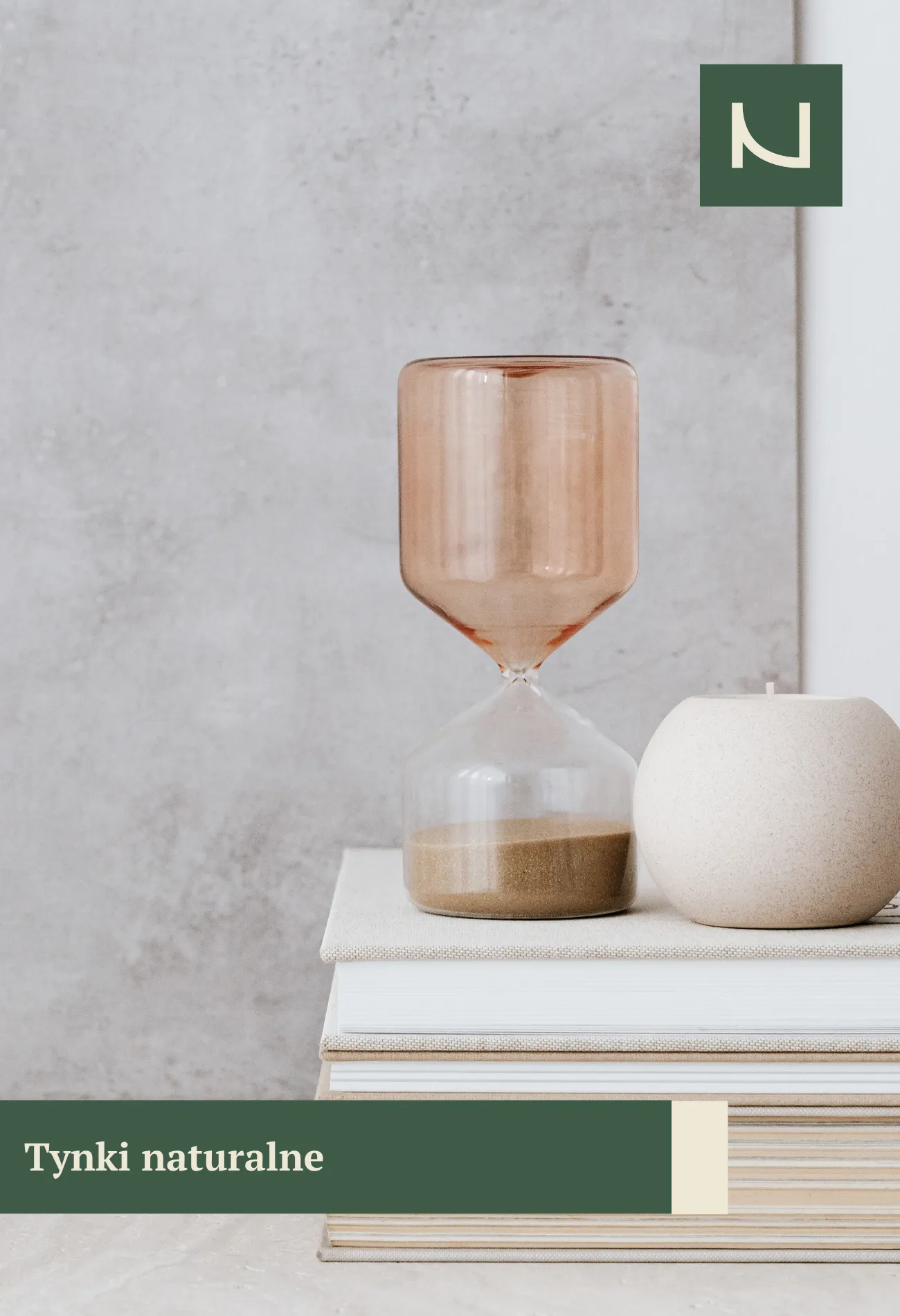
Back to nature mineral and clay plasters
In 2026, the trend related to natural materials is very visible. Interiors are meant to be calm, warm, and authentic. That’s why they’re becoming increasingly popular. mineral and clay plasters , which give the walls a delicate, organic structure.
Clay plaster doesn’t provide a perfectly smooth surface, and that’s precisely where its charm lies. Subtle irregularities give the wall a “live” look, and light spreads softly across its surface. This solution works particularly well in living rooms, bedrooms, and interiors inspired by the Japandi or wabi-sabi styles.
An additional advantage is the ecological aspect. More and more investors are paying attention not only to aesthetics but also to the composition of materials and their impact on the microclimate of a room.
Architectural concrete in a warmer version
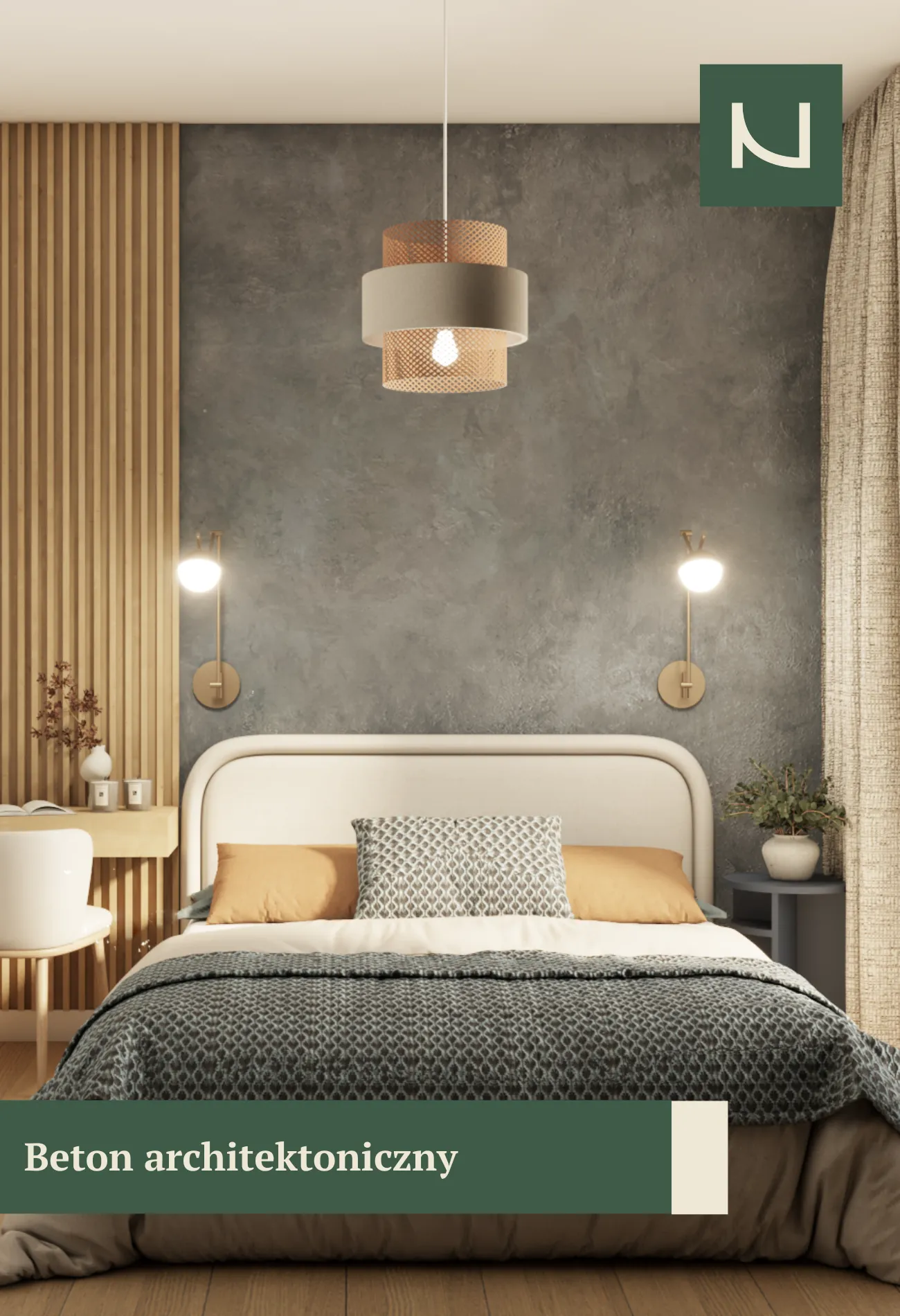
Architectural concrete never goes out of style, but its character is changing in 2026. The cool, stark gray typical of lofts is giving way to warmer tones of beige, sand, and off-white . This allows concrete to better combine with wood, natural fabrics, and soft lighting.
Concrete still holds a strong position among the most fashionable decorative plasters , especially as an accent wall in a living room or bedroom. It works best when applied in spots – a single, expressive surface creates a better effect than an entire room in this finish.
It’s worth remembering that a concrete effect can be achieved using decorative plaster, microcement, or concrete slabs. In developer-finished apartments, plaster imitating concrete is the most common choice – it’s visually lighter and more flexible in terms of design.
Lighting is key. It brings out the texture and makes the wall appear less flat and more detailed and full of character.
Travertine and stone structures
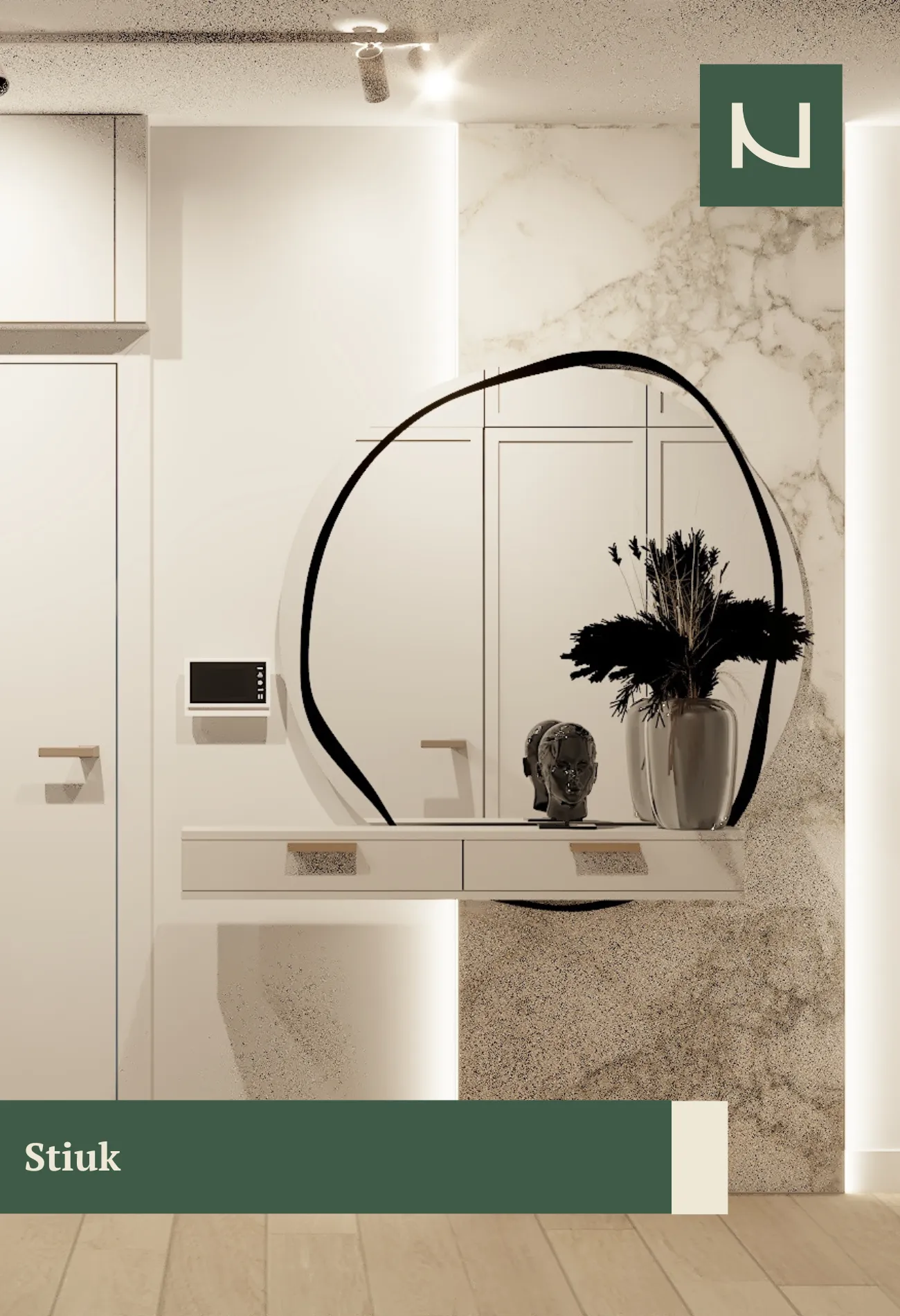
In 2026, the fascination with stone, especially travertine, is clearly returning. Decorative plasters imitating natural stone are appearing in living rooms, hallways, and even bathrooms.
The distinctive horizontal abrasions and layered structure create an elegant yet understated effect. It’s the perfect solution for those looking to add a touch of luxury to their interior without the need for heavy stone slabs.
Travertine effect plaster works well with warm linear lighting and minimalist furniture. In such arrangements, the wall becomes a subtle but distinct decoration.
Stucco and delicate shine
Classic stucco is made from slaked lime and very finely ground marble dust, which gives it a distinctive depth and delicate shine. Ready-made decorative masses (lime or resin-based) are also available , which facilitate application and increase the durability of the coating.
The application technique is crucial here. The stucco is applied in several very thin layers, then carefully smoothed and “ironed” with a steel trowel. In practice, this means that this is a material that requires experience, and it’s difficult to achieve a good result without practice, so It is usually commissioned to a specialized team.
Stucco works great in living rooms, bedrooms, elegant hallways and offices, especially in interiors such as modern classic, soft minimal or elegant minimalism.
However, it is worth knowing that this is not a solution for every room. In very narrow and heavily used spaces (e.g., a small hallway in an apartment with children), it can be more susceptible to scratching. This decorative material looks best where the wall is intended to “work with light” and not be subjected to daily wear and tear.
In terms of cost, stucco is more expensive than traditional painting or simple textured plaster. The price is due both to the material itself and the time-consuming, precise work of the contractor.
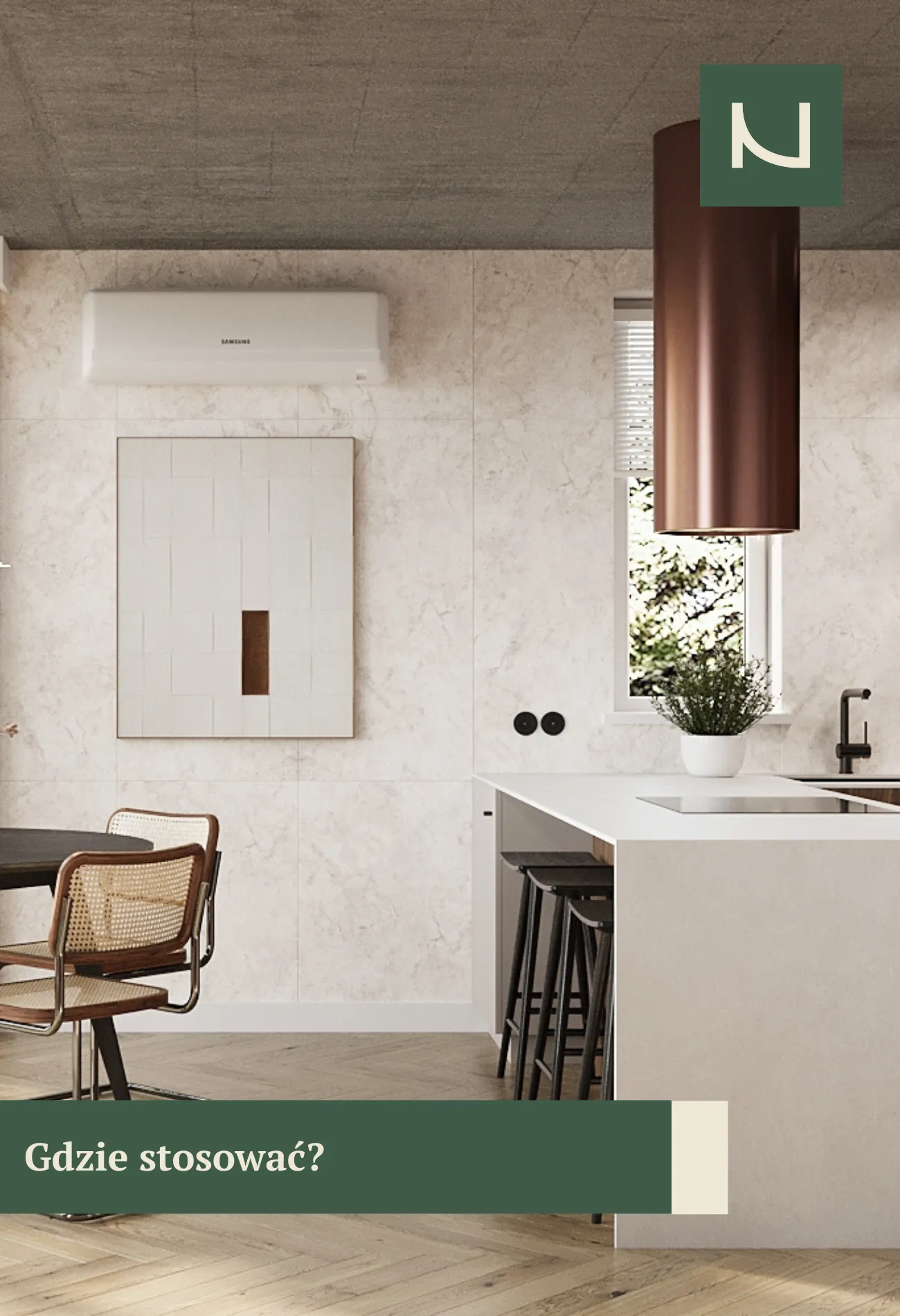
Where to use the most fashionable decorative plasters?
While trends are important, matching the material to the function of the room remains crucial. In the living room we can afford a stronger structural effect. The bedroom is a space where softer textures work best, creating an atmosphere of tranquility. In hallways, it’s worth opting for solutions that are more resistant to mechanical damage.
In 2026, wall design is no longer a matter of chance. Decorative plaster is increasingly being planned at the interior design stage, taking into account lighting, furniture layout, and room proportions.
Summary
If we analyze the most fashionable decorative plasters for 2026, several trends become clear: naturalness, texture, warm concrete tones, stone inspiration, and the subtle sheen of stucco. Trends are moving away from cool minimalism toward more sensual and cozy interiors.
Most importantly, however, plaster should not be merely a fashionable addition, but a conscious design element. Properly selected, it can completely transform the character of a space and give it a unique style.
If you’re planning your apartment’s finishing and wondering which plaster will best suit your interior, it’s worth considering it at the design stage. This will ensure the final effect is cohesive, well-thought-out, and timeless, rather than just a passing inspiration from a trend catalog.