For many people, purchasing an apartment from a developer is one of the most important and exciting investments in life, often fulfilling long-held dreams of owning their own home. However, before you finally move into your new home and begin planning its finishing, you’ll need to undergo a technical inspection. This crucial moment allows you to verify that the developer has fulfilled the contract and that all work has been carried out in accordance with the design, finishing standards, and applicable building codes. It’s also an opportunity to identify any errors and omissions early on, before they become the source of costly repairs or problems after the move-in.
What is the technical inspection of an apartment?
The technical inspection of an apartment is a formal meeting with a representative of the developer, during which the buyer has the right to thoroughly inspect the property and point out any defects or discrepancies. This stage precedes the signing of the inspection report and the handover of keys. In practice, the technical inspection is a time when the quality of workmanship can be verified and costly repairs can be avoided after the move-in.
Why is the technical inspection of an apartment so important?
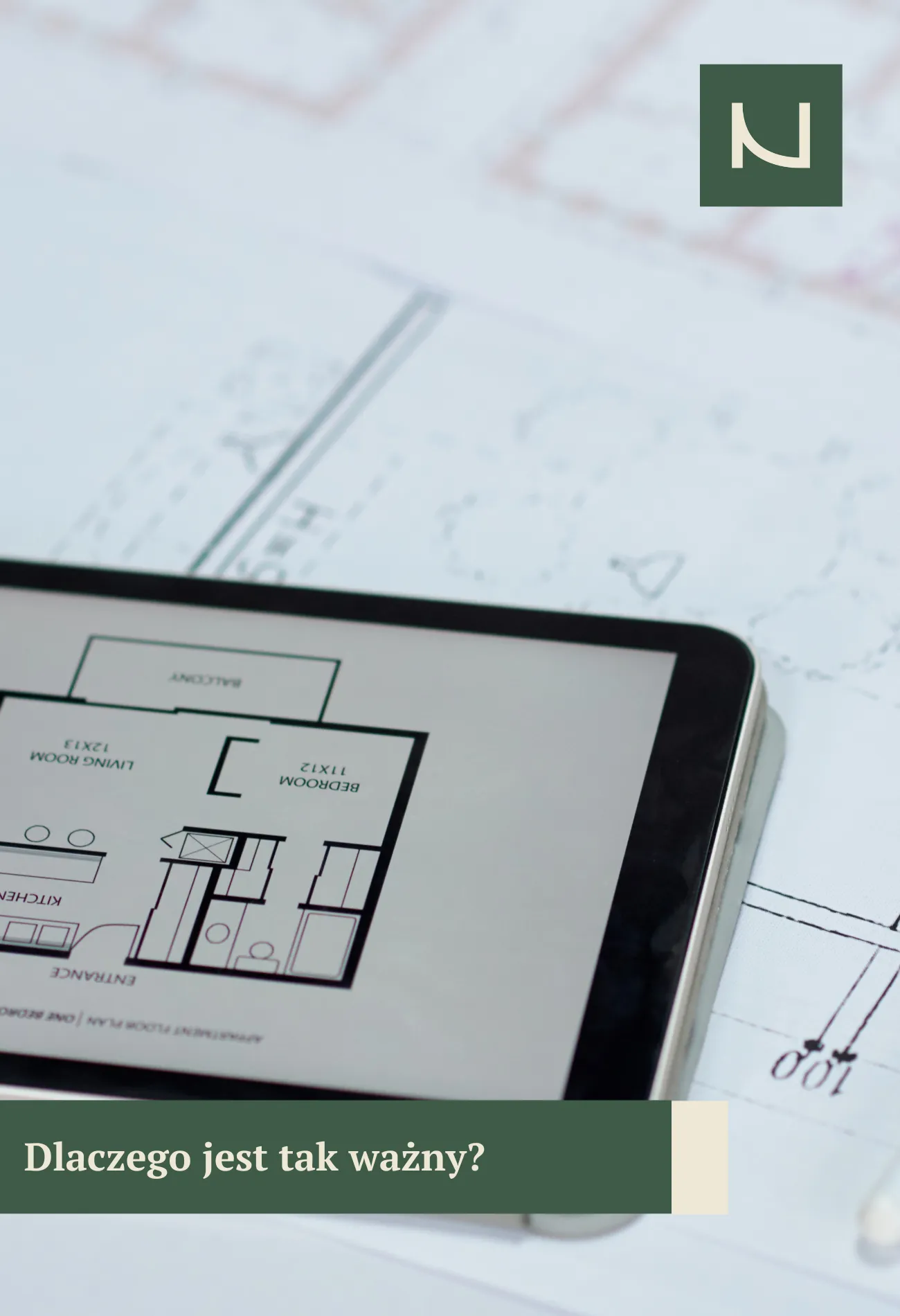
Although many people treat the technical inspection of an apartment as merely a formality preceding the handover of the keys, it ‘s worth remembering that this is an extremely important stage of the entire property purchasing process . It allows you to thoroughly check the technical condition of the property and detect hidden defects and construction shortcomings before signing the inspection report. This allows you to ensure that all work was completed in accordance with the design, applicable construction standards, and the provisions of the development agreement. It allows you to:
- detect errors in plastering, flooring and installations,
- check whether the area of the premises corresponds to the contract,
- make sure that windows, doors and ventilation are working properly,
- report defects that the developer is obliged to remove before taking over the apartment.
Once the acceptance protocol is signed, any complaints may be more difficult to resolve. It’s worth devoting maximum attention to this stage to avoid more difficult resolution of any defects.
How to prepare for technical acceptance?
Before meeting with a developer, it’s worth preparing well. Here are some practical steps:
- Take the technical documentation – apartment layout, finishing standard, development agreement.
- Take the necessary tools – a spirit level, a square, a tape measure, a flashlight, an electrical tester and a notebook.
- Consider the assistance of a specialist – more and more people are choosing to have their apartment inspected by an engineer or building inspector. A specialist is familiar with building regulations and will spot even defects that a layman might miss.
Technical acceptance of the apartment step by step
- Checking the area and dimensions of the rooms
Compare actual dimensions with the design – permissible deviations are usually up to 2%. - Wall and ceiling inspection
Make sure the plaster is smooth, not cracked, without any unevenness or moisture spots. - Floors and flooring
Make sure the surface is even and the screed is not cracked. - Windows and doors
Check that they close properly, that there are no gaps and that the handles operate smoothly. - Installations
- electrical – operation of sockets and switches,
- water and sewage – pressure and tightness,
- ventilation – is the air flow correct?
- electrical – operation of sockets and switches,
- Balcony or terrace
Check the slope of the surface (water should flow away from the wall) and the tightness of the balustrades.

The most common faults detected upon receipt
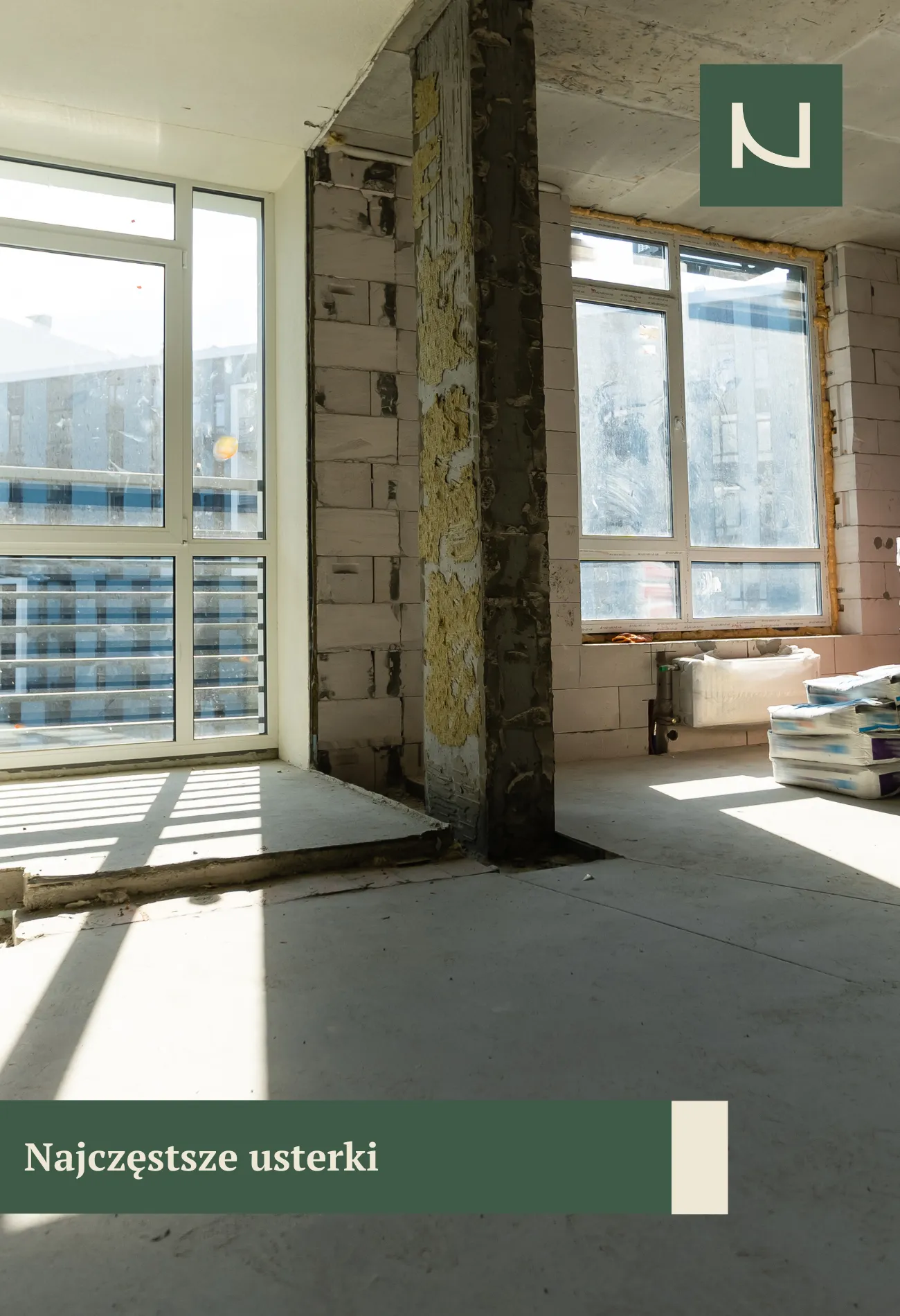
During the technical inspection of an apartment, the following often occurs:
- uneven walls and ceilings,
- improperly installed window sills or windows,
- mechanical damage to plasters,
- installation errors (e.g. reversely connected wires),
- lack of tightness in the balcony doors.
Any defects noticed should be recorded in the apartment’s technical inspection report. Remember, only then will the developer be obligated to repair them within a specified timeframe.
Technical inspection of the apartment with a specialist – is it worth it?
It’s definitely worth considering a technical inspection of your apartment by a professional. A professional building inspector not only has the knowledge and experience but also specialized equipment to detect even the smallest irregularities. This type of expert will thoroughly check the vertical and horizontal alignment of the walls, the quality of the plaster, the tightness of the window and door frames, and the correct installation of the electrical, plumbing, and ventilation systems.
>Inspection companies use equipment such as laser levels, moisture meters, endoscopes, and thermal imaging cameras , which allow them to assess the actual condition of the apartment, invisible to the naked eye. This helps avoid costly defects that only become apparent after move-in. Furthermore, the inspector will also assist in properly preparing the inspection report , ensuring that all defects are accurately described and forwarded to the developer for repair under warranty. This is a small cost compared to the security and certainty that the new apartment meets all technical and quality requirements.
What happens after the technical inspection of the apartment?
After signing the acceptance report , the developer is obligated to remedy all reported defects and faults within the time specified in the contract. The buyer should ensure that each defect is properly repaired. It’s recommended to conduct another technical inspection of the apartment after the repairs are completed , preferably with the assistance of a specialist. This will ensure that all work has been carried out in accordance with applicable standards and that the apartment is fully ready for further development. After such confirmation, you can confidently begin planning the interior design. This is the moment when the new apartment begins to take on its individual character, becoming a space tailored to the needs and lifestyle of the household.
Summary
The technical inspection of an apartment is a crucial step before taking over the property from the developer. This is when any defects or discrepancies with the contract can be identified before the handover protocol is signed. It’s worth preparing for this moment – gathering documentation, necessary tools, and, ideally, enlisting the help of a specialist who will assess the technical condition of the property according to applicable standards. A thorough technical inspection of the apartment helps avoid costly repairs and stress in the future, so it should not be treated as a formality, but as an investment in the comfort and safety of your new home.