A mood board is one of the basic tools of an interior designer’s work, but it’s also increasingly being used by those furnishing their own homes. If you’re wondering what a mood board is and whether creating one is actually worth it, this article will clear up any doubts. A well-prepared mood board allows you to organize your ideas, avoid chaos, and… save a lot of money on bad decisions.
What is a mood board and how does it help in interior design?
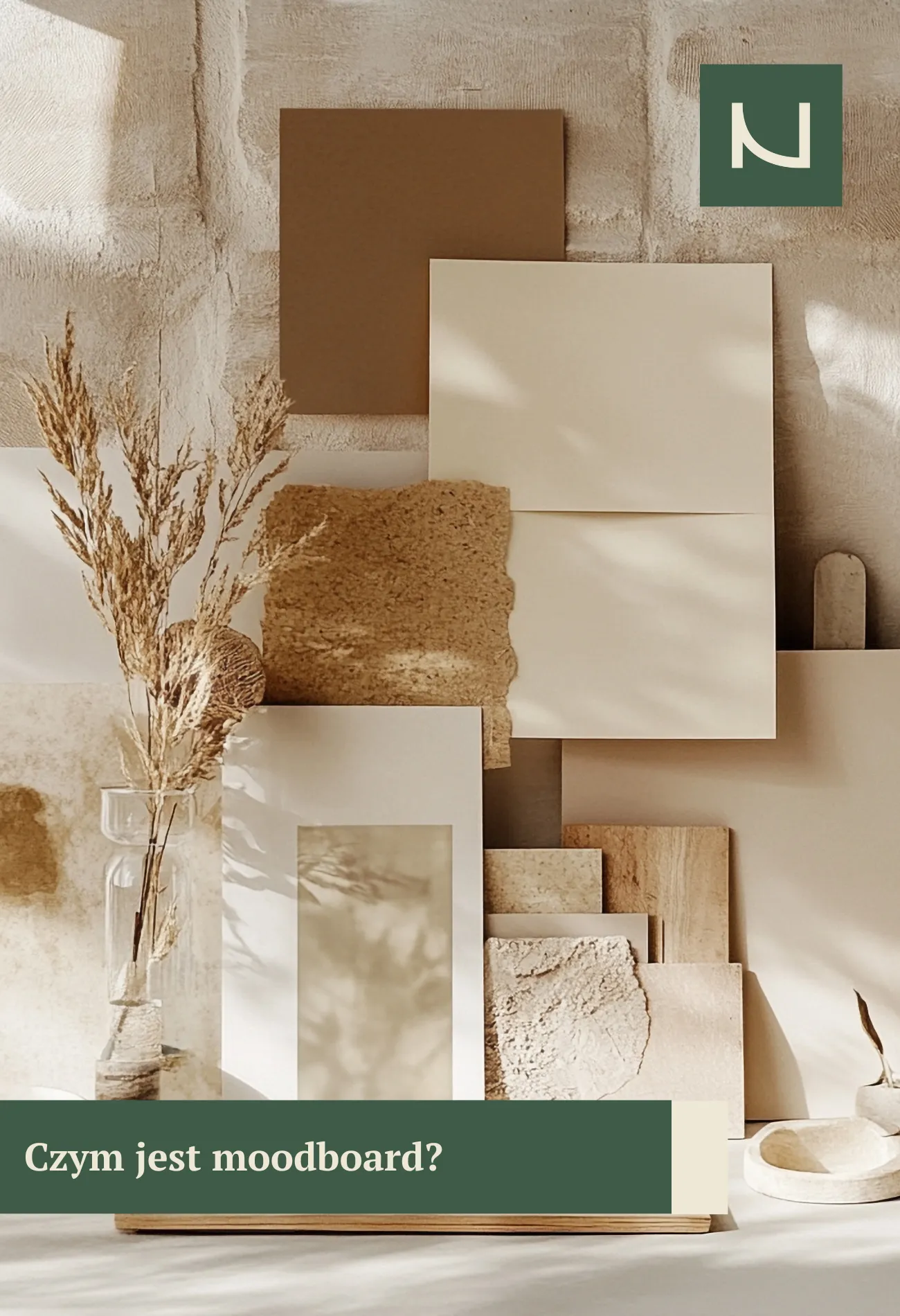
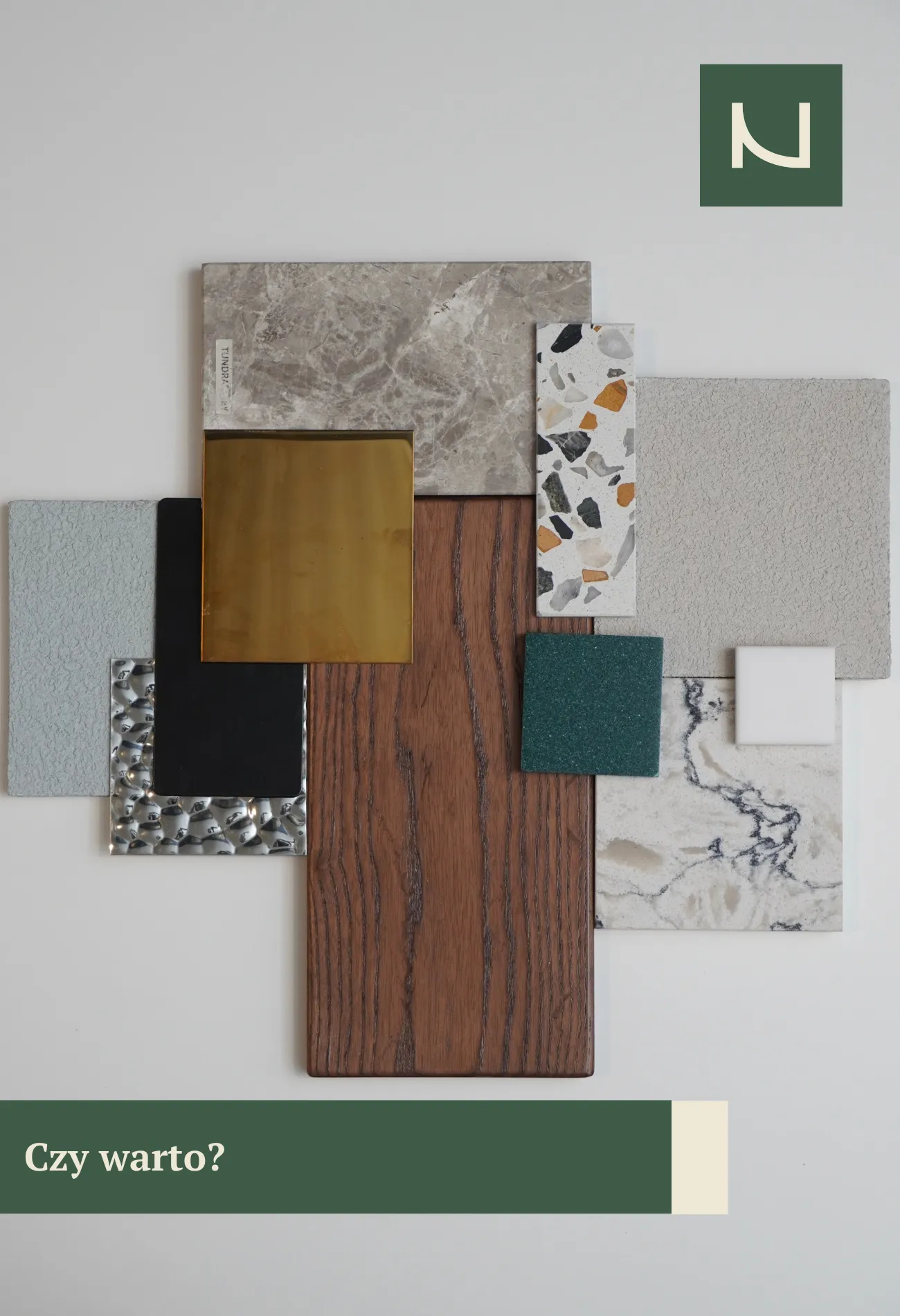
Simply put, a mood board is a visual inspiration board. It can be physical (e.g., a box with fabric samples glued to it) or digital (created in a graphics program or on Pinterest).
The moodboard collects in one place all the elements that influence the final appearance of the interior:
- colors,
- materials,
- textures,
- furniture,
- accessories,
- inspirational photos.
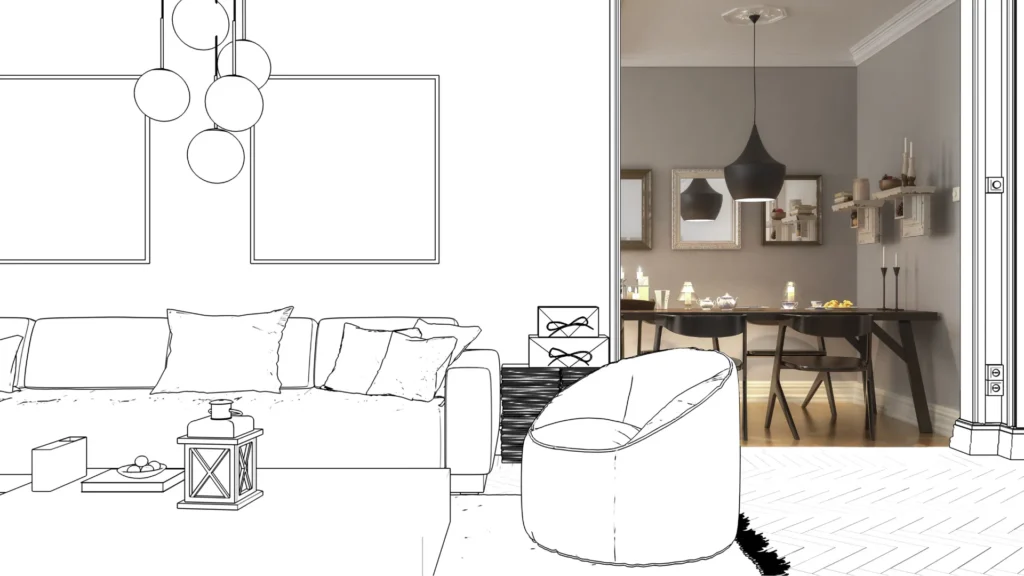
This allows you to see at the concept stage whether everything fits together. This is a huge advantage over “designing in your head,” where inconsistencies can easily arise. In practice, a mood board acts as a filter, eliminating random decisions and helping you stick to a single stylistic direction . This is especially important when designing an entire apartment, not just a single room.
How to create mood boards?
Creating a mood board does not require specialized tools ; what is more important is consistency and a well-thought-out process.
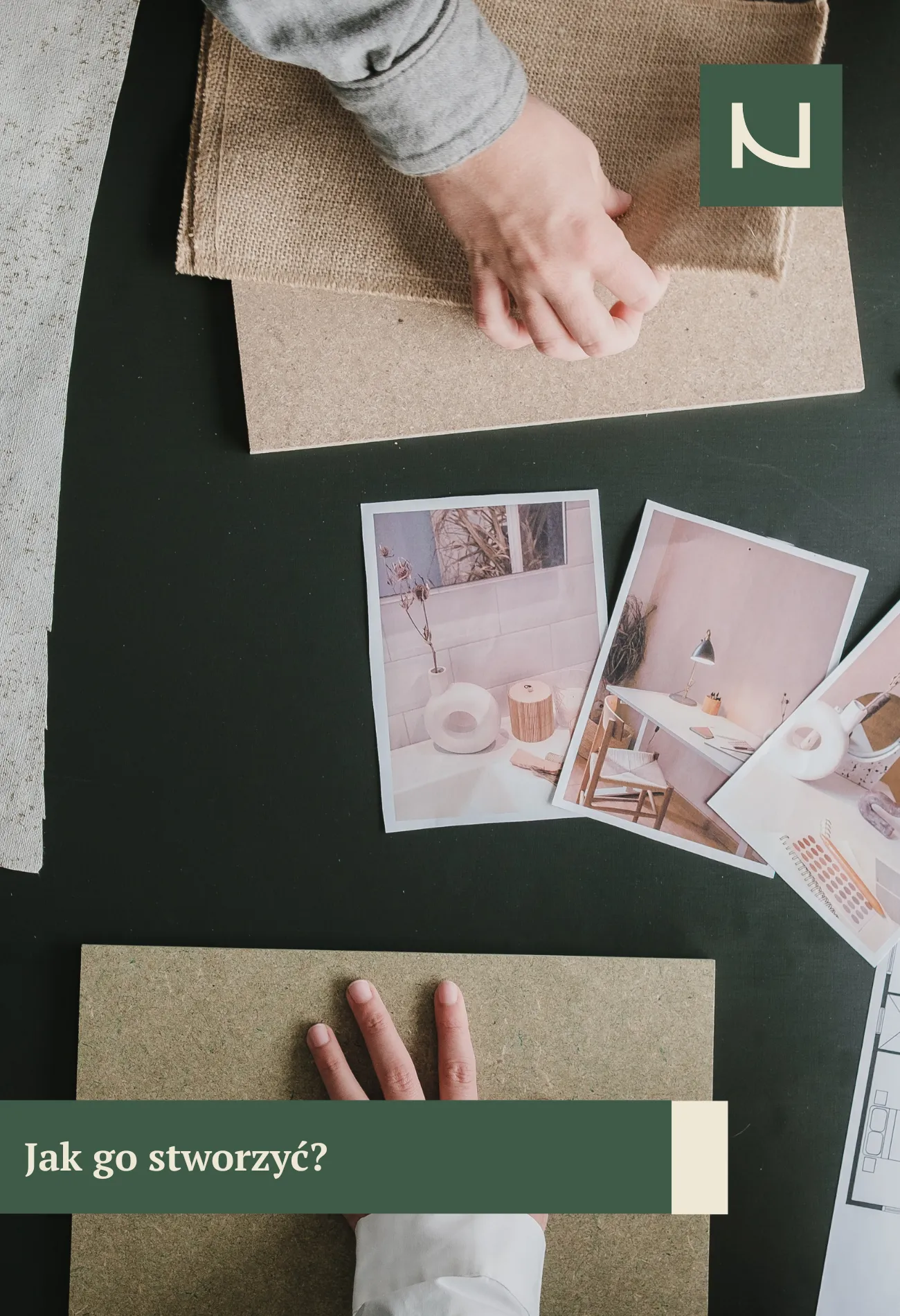
It’s worth starting by gathering inspiration. These can include photos from projects, excerpts from catalogs, fabric samples, or paint colors. The key is to ensure that all elements are stylistically consistent. Next, you move on to selection. This is the stage where most people make the mistake of trying to fit everything in instead of choosing. A good mood board should be specific and “clean,” not overloaded. Finally, arrange all the elements into a single composition. Pay attention to proportions, for example: If you plan to have wood as the dominant element, it should occupy a larger part than the accessories.
In practice, you can create mood boards:
- handmade – from samples of materials, fabrics and prints,
- digitally – e.g. in Canva, Figma or on Pinterest,
- hybrid – combining visualizations with real samples.
Why a mood board?
A mood board isn’t just a “pretty inspiration board.” It’s a real design tool that influences the entire interior design process. Above all, it helps avoid chaos. Without a mood board, it’s easy to buy things “because we like them” that end up not working together. With a mood board, every decision is based on a previously established concept. Secondly, it facilitates communication. If you’re working with a designer or finishing team, it clearly communicates the project’s direction. This minimizes the risk of misunderstandings. Third, it helps you control your budget. When you have a specific palette of materials and style, you don’t “wander off” when shopping.
Key benefits:
- a coherent vision of the interior from the very beginning,
- easier purchasing decision-making,
- lower risk of costly errors,
- better communication with contractors,
- greater control over the final result.
Moodboard in practice – is it worth doing?
Definitely yes, regardless of whether you design your apartment yourself or with a designer. A moodboard is the first step towards conscious design. Without it, it’s easy to create a haphazard interior that quickly becomes unappealing. With it, you have real control over the style, atmosphere, and cohesion of the entire space. So if you’re still wondering what a mood board is and whether it’s worth spending time on, treat it as the foundation of your project, not an addition.
Summary
A mood board is a simple yet incredibly effective tool that helps translate ideas into concrete reality and organize the entire design process from the very beginning. It makes it easier to determine a stylistic direction, select cohesive materials, and avoid haphazard decisions that often generate additional costs. It’s also a great way to verify that all the interior elements actually fit together before you even start shopping or finishing . A mood board gives you control over the final result, making your design more informed and the final interior cohesive, refined, and truly yours.